Introduction: The Certificate Is Part of the Product
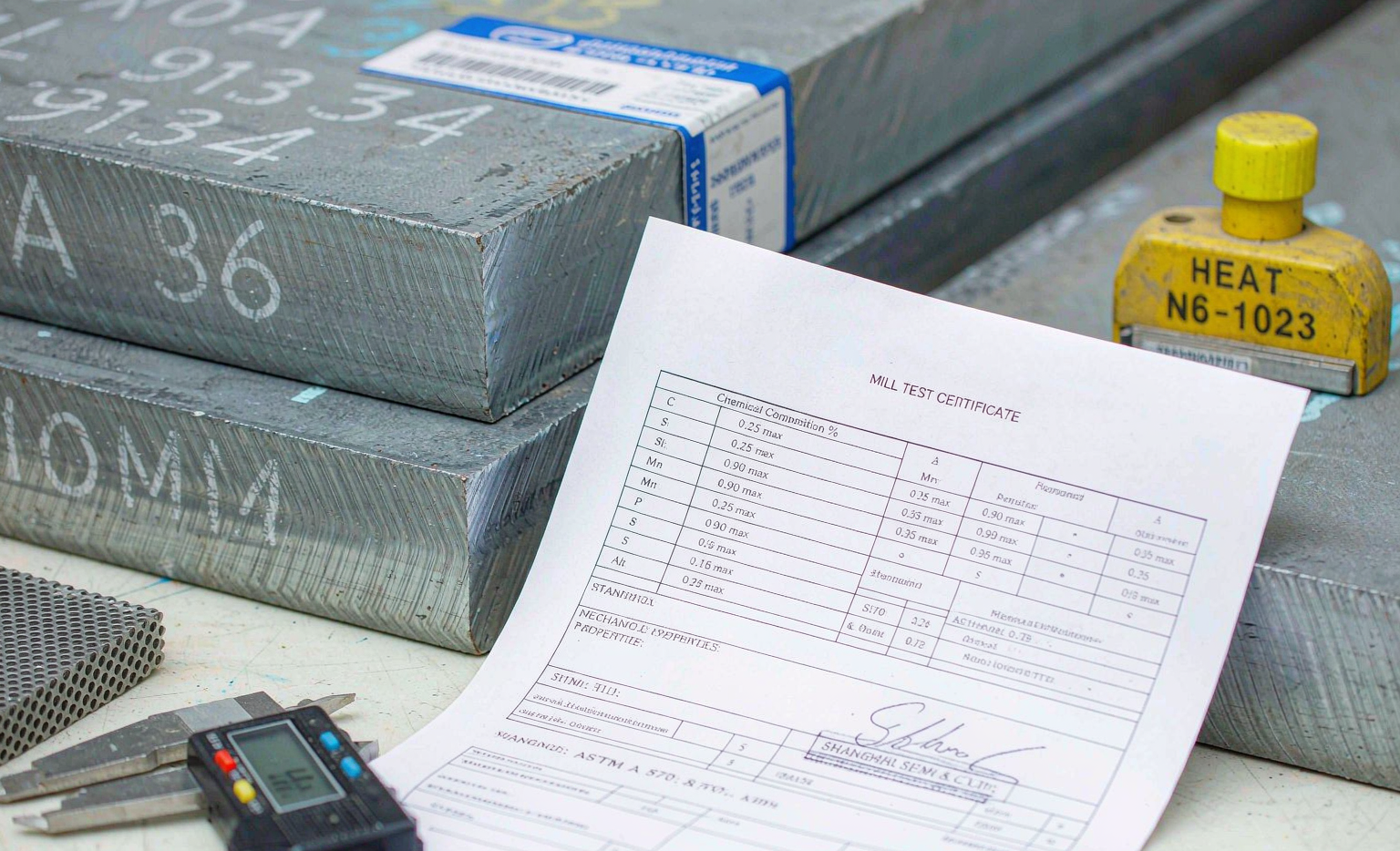
A mill test certificate (MTC), also called a mill test report or material certificate, is the document that proves the steel you received matches what you ordered. For carbon steel buyers, it is often the only reliable record of chemical composition, mechanical properties, heat treatment, and traceability. Without a proper MTC, you have no basis for accepting the material.
This guide explains the main carbon steel mill test certificate types defined by EN 10204 — 2.1, 2.2, 3.1, and 3.2 — what each one proves, when to use it, and how to spot the red flags that should trigger rejection.
1. What EN 10204 Covers
EN 10204:2004 is the European standard for metallic products and types of inspection documents. It does not specify the content of the certificate; it specifies who is allowed to issue it and how independent the inspection is. The certificate itself is usually based on the results of tests defined by the product standard (EN, ASTM, JIS, GB, etc.).
2. Type 2.1: Certificate of Compliance
| Attribute | Type 2.1 |
|---|---|
| Issued by | Manufacturer |
| Test data | No actual test results |
| Content | Statement that products comply with order |
| Suitable for | Non-critical commercial items only |
A 2.1 certificate simply says, “We certify that the goods meet the order.” It contains no test values. It is not acceptable for structural, pressure, or safety-critical carbon steel.
3. Type 2.2: Test Report Based on Non-Specific Inspection
| Attribute | Type 2.2 |
|---|---|
| Issued by | Manufacturer |
| Test data | Results from tests on other material or previous batches |
| Inspection | Not specific to the delivered batch |
| Suitable for | General commercial steel with lower traceability needs |
Type 2.2 gives actual numbers, but those numbers are not necessarily from the heat or batch you received. It is better than 2.1 but still not enough when traceability matters.
4. Type 3.1: Inspection Certificate Based on Specific Tests
| Attribute | Type 3.1 |
|---|---|
| Issued by | Manufacturer’s authorized inspection representative |
| Test data | Actual results from the delivered batch |
| Independence | Inspector is independent of production department |
| Suitable for | Most structural, pressure, and engineering carbon steel |
Type 3.1 is the default requirement for serious carbon steel procurement. The tests were performed on the actual material supplied, and the certificate is issued by someone in the mill who is independent of the production line. For most buyers, 3.1 is the right balance of assurance and cost.

5. Type 3.2: Inspection Certificate Verified by a Third Party
| Attribute | Type 3.2 |
|---|---|
| Issued by | Manufacturer’s inspector + external inspector or buyer’s inspector |
| Test data | Actual results from the delivered batch |
| Independence | Verified by a party independent of the manufacturer |
| Suitable for | Critical, high-value, or regulated projects |
Type 3.2 is the strongest certificate level. It requires the presence of an external inspector or the buyer’s own inspector to witness or verify the testing and documentation. It is common in nuclear, offshore, petrochemical, and large infrastructure projects.
6. What Should a Carbon Steel MTC Include?
- Certificate type (2.1, 2.2, 3.1, or 3.2) and issuing standard (EN 10204:2004).
- Manufacturer name, address, and certification stamp.
- Customer order number and product description.
- Heat number(s) and quantity covered by the certificate.
- Applicable product standard (e.g., ASTM A105, A36, API 5L, EN 10025-2).
- Chemical composition table with actual values.
- Mechanical test results: tensile, yield, elongation, hardness, impact when required.
- Heat treatment condition when applicable.
- Dimensional and surface checks if specified.
7. When to Request Each Type
| Application | Recommended Certificate |
|---|---|
| General commercial steel, non-critical | 2.2 acceptable; 3.1 preferred |
| Structural steel with design responsibility | 3.1 |
| Pressure piping and flanges | 3.1 minimum; 3.2 for critical service |
| Offshore, nuclear, petrochemical | 3.2 |
| Any project with regulatory audit trail | 3.1 or 3.2 |
8. Red Flags to Reject a Certificate
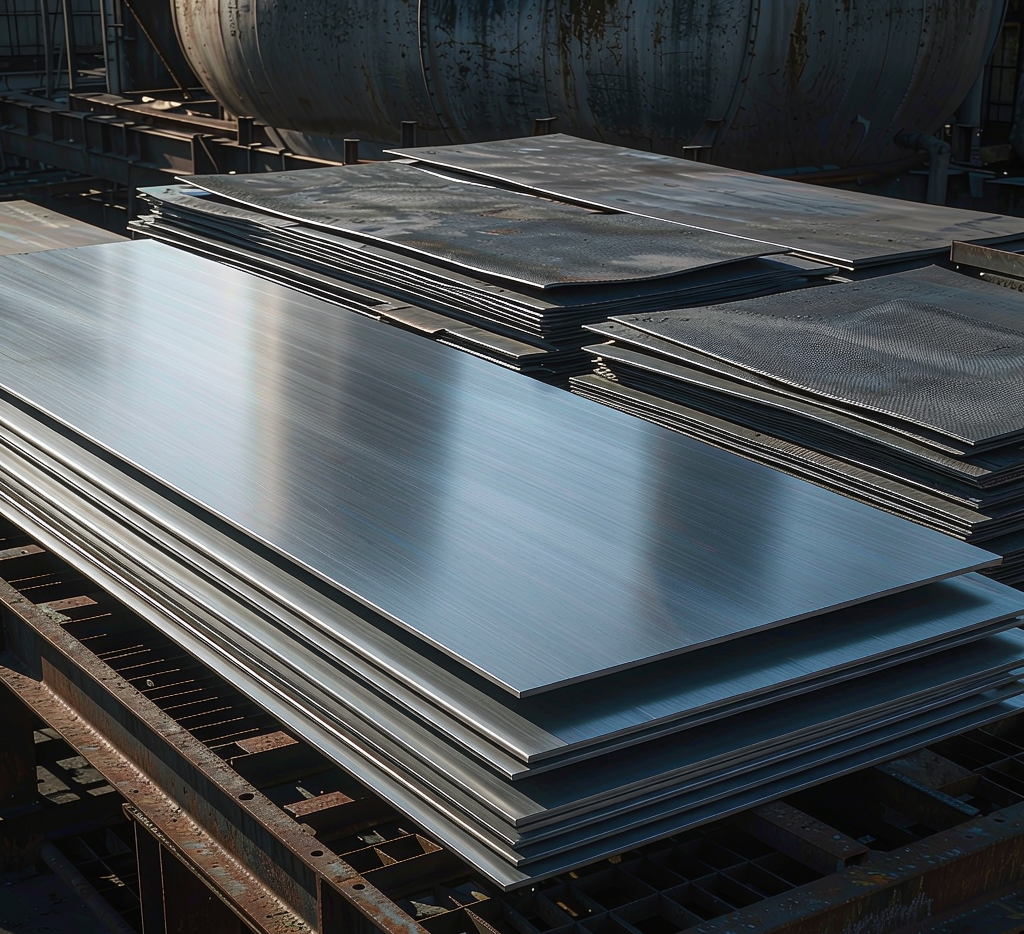
- No heat number or heat number that does not match the material labels.
- Vague statement like “conforms to standard” without actual test values.
- Missing signature or stamp from the authorized inspection representative.
- Test results outside the specification limits but accepted anyway.
- Certificate type 2.1 supplied for critical or pressure-grade material.
- Altered or scanned certificate without original security features.
Frequently Asked Questions
1. What is the difference between 3.1 and 3.2 MTC?
Type 3.1 is issued by the manufacturer’s independent inspector. Type 3.2 requires the additional verification of an external inspector or the buyer’s inspector who is independent of the manufacturer.
2. Is a 2.2 certificate acceptable for structural steel?
Usually no. Structural steel that supports a design load should come with at least a 3.1 certificate so the actual batch chemistry and mechanical properties are known.
3. Do Chinese mills issue EN 10204 certificates?
Yes. Reputable Chinese mills issue EN 10204 3.1 certificates for export orders, often in English, with heat numbers and actual test results. Always verify the mill’s certification scope.
4. What if the MTC values do not match the order specification?
Reject the batch or request technical justification. Do not accept material that fails to meet the specified chemical or mechanical limits without documented engineering approval.
5. Can I request a 3.2 certificate from any mill?
Most mills can arrange 3.2 certification, but it requires an external inspector to witness or verify testing. Lead time and cost increase, so specify this requirement at the RFQ stage.
Conclusion
The mill test certificate is not paperwork for paperwork’s sake. It is the only objective proof that the carbon steel you paid for meets the specification. For routine engineering work, EN 10204 3.1 is the right level. For critical projects, upgrade to 3.2 and verify every heat number against the certificate.
Huaxia-Steel supplies carbon steel plate, bar, pipe, and forgings with EN 10204 2.2, 3.1, and 3.2 mill test certificates, full heat traceability, and optional third-party inspection. Tell us your certificate requirement when you request a quotation.