LC and TT Payment Terms for Carbon Steel Importers from China
Carbon steel prices shift by the hour, ocean freight is volatile, and the Chinese mill is in another time zone. The single most important commercial term – more important than price – is how money moves. Most importers use either a Letter of Credit (LC) or Telegraphic Transfer (T/T). The wrong choice can leave you unprotected against non-shipment, late delivery, or grade substitution.
This guide explains how LC and TT payment terms work for carbon steel imports from China, the common variants used in 2026, and what each one costs or saves you. By the end, you will know which payment structure fits your first order and which to negotiate on repeat business.
1. Why Payment Terms Matter in Steel Trade
Steel is a high-value, low-margin commodity. A 50-tonne plate order at USD 600/tonne is USD 30,000 of buyer risk before the first container is loaded. Good payment terms protect both sides:
- The supplier wants assurance that the buyer cannot cancel after the steel has been rolled or cut.
- The buyer wants assurance that the mill will not run off with the deposit or substitute a lower-grade material.
LC and T/T achieve these goals in different ways and at different costs.
2. How a Letter of Credit (LC) Works
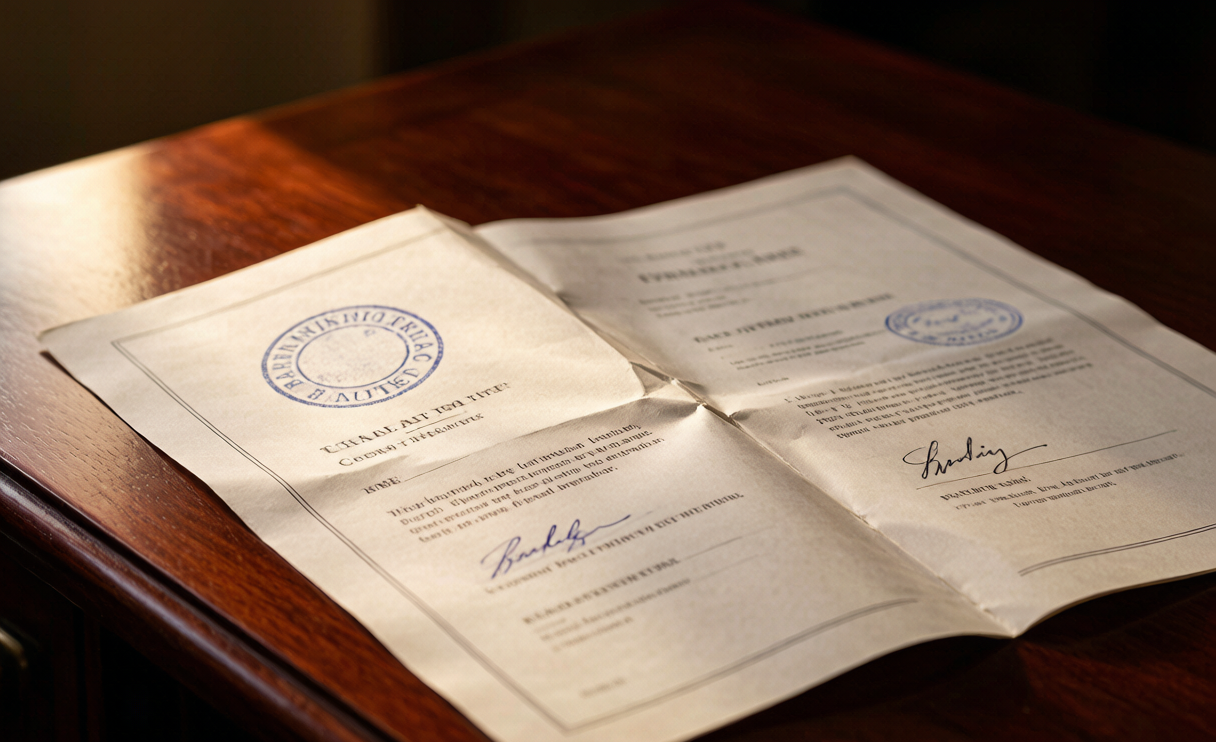
An LC is a bank-issued promise to pay the seller once specific documents are presented. In Chinese steel exports, the most common form is an irrevocable LC at sight. The buyer’s bank blocks the funds, the seller ships the goods, presents shipping documents (bill of lading, invoice, packing list, mill test certificate, sometimes SGS/BV report), and receives the money.
Key features to understand:
- Issuing bank: Your bank in the buyer’s country. The mill must accept your bank’s reputation.
- Advising bank: Usually a Chinese bank that confirms the LC to the seller.
- Documents required: Mismatch with the LC terms is the single biggest reason LC payments get delayed. Always mirror your proforma invoice exactly.
- LC fees: Typically 0.125-0.25% of the LC value per quarter, paid by the importer.
3. How T/T (Telegraphic Transfer) Works
T/T is a direct bank-to-bank wire transfer. In steel trade it is almost always used as a deposit + balance structure. The buyer wires 30% upfront to start production, and 70% against a copy of the bill of lading or after inspection.
| Common T/T split | Typical use | Buyer risk |
|---|---|---|
| 30/70 | Standard first orders | Moderate |
| 20/80 | Repeat buyers with credit history | Lower |
| 50/50 | Custom or hard-to-shift material | Higher |
| 100% in advance | Only for very small orders | High – small traders only |
4. LC vs T/T: Head-to-Head
| Aspect | LC at sight | T/T 30/70 |
|---|---|---|
| Upfront cash needed | Low (only LC fee + collateral) | 30% deposit |
| Buyer protection | High – bank only pays on correct docs | Medium – relies on supplier integrity |
| Seller protection | High – bank guarantee | High – deposit covers raw material |
| Speed of payment | 3-7 days after docs reach issuing bank | Instant on wire |
| Cost | LC fees + document fees (USD 500-2000 typical) | Wire fees only (USD 25-50 per transfer) |
| Document strictness | Very strict – any mismatch delays payment | None – just a copy of B/L |
5. Common Variants in 2026 Steel Trade
- LC 30 days after B/L: The mill ships, documents are presented, and the buyer’s bank pays 30 days after the bill of lading date. Slightly cheaper for buyers.
- LC 60/90 days: Deferral terms favored by trading companies; the mill sometimes accepts with a discount of 1-2%.
- T/T against scanned B/L: The mill scans the bill of lading once the container leaves the port, the buyer wires the balance, the mill emails the original documents by courier.
- Escrow via third-party inspection: Wire the 70% only after SGS or BV confirms the goods have passed inspection at the mill.
6. Practical Tips for First-Time Buyers
- Start with T/T 30/70 for the first two or three orders. It builds trust without high risk.
- Always specify the document list – B/L, commercial invoice, packing list, MTC, and (if relevant) third-party inspection certificate.
- Avoid 100% T/T in advance unless the order is below USD 5,000 and you have done business with the trader before.
- Negotiate the deposit down from 30% to 20% once you have an established relationship.
- For orders above USD 100,000, ask the mill to accept an LC at sight. They usually do for free if you are a serious buyer.
- Check the Swift routing before wiring the deposit. A delay in the SWIFT network can stall production by one or two days.
7. Negotiation Tactics with Chinese Mills
Most mill-side sales managers will accept either LC or T/T – it is more about which one helps them financially. If they really need operating cash, they push T/T. If they want document discipline, they push LC. Use this as a negotiation lever:
- Offer T/T if the mill gives you a small discount (0.5-1%).
- Accept LC if the mill holds firm on price. LCs tend to attract better delivery discipline.
- Always reserve the right to call SGS or BV before the balance is paid, regardless of the LC/T/T choice.
8. Common Mistakes to Avoid
- Paying a 50% deposit on a first order without a signed contract and proforma invoice.
- Issuing an LC with document requirements that the mill cannot meet (such as a “certificate of origin issued by the importer” – the seller cannot provide this).
- Forgetting to specify “third-party inspection certificate” in the LC document list – many mills will not volunteer this.
- Using T/T against scanned documents without insuring the goods in transit; if a container is lost, the buyer’s loss is unrecoverable.
FAQ
Which is safer: LC or T/T?
An irrevocable LC at sight is the safest for a first order because the bank verifies the documents. T/T 30/70 is safer for repeat buyers with credit history.
Do Chinese mills accept LC?
Yes, especially for orders above USD 50,000. Some smaller mills prefer T/T because they need cash for raw material.
How long does an LC payment take?
Typically 3-7 working days after compliant documents reach the issuing bank.
Can I pay 50% deposit to keep unit price low?
Often, yes – 50% deposits frequently earn a 0.5-1% discount, but they expose you to higher risk if the mill fails to deliver.
Conclusion
Payment terms for carbon steel imports are not just paperwork – they are the foundation of trust between buyer and supplier. Choose T/T 30/70 for first orders to keep cash moving, switch to LC at sight for larger orders to lock in document discipline, and always tie the final balance to actual inspection results. The right structure protects your margins and your supply chain.
Need help structuring payment terms for your next steel order? Huaxia-Steel accepts both LC at sight and T/T 30/70 with EN 10204 certificates, SGS/BV inspection, and flexible Incoterms.
Related Images