Marine Cargo Insurance for Carbon Steel Exports: Complete Guide 2026
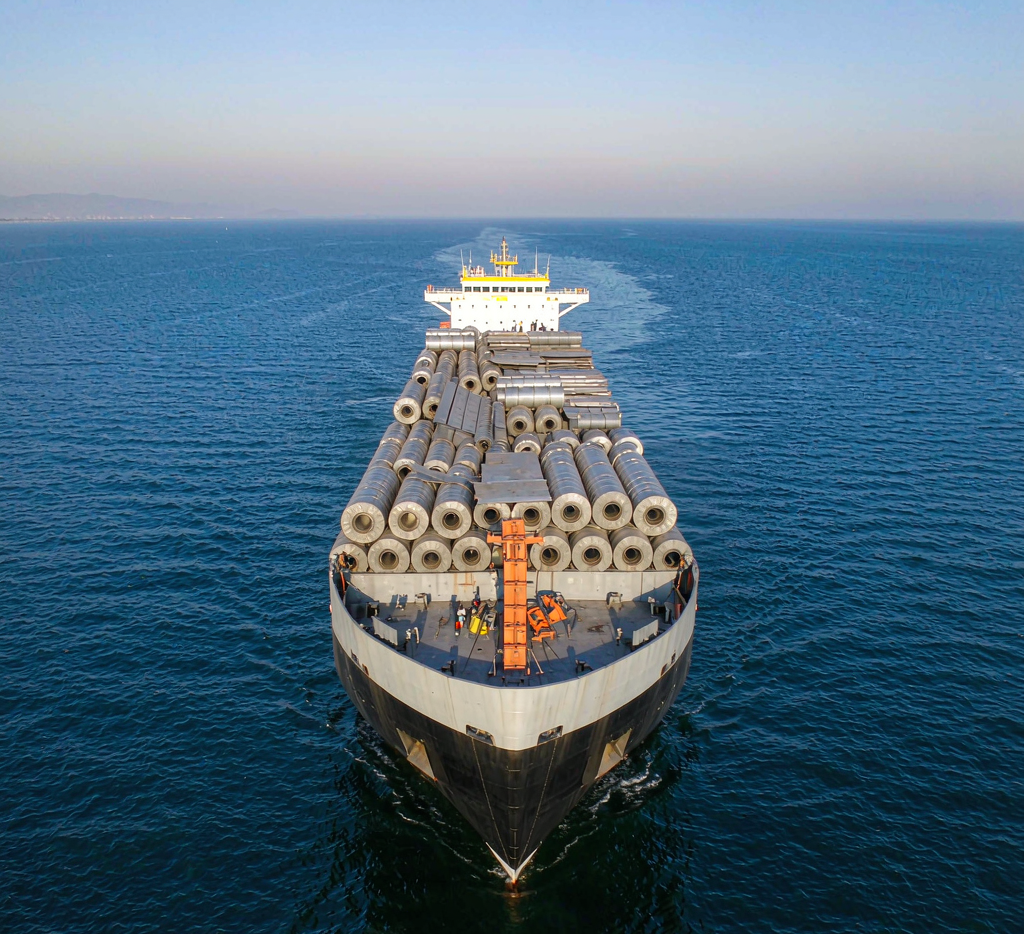
Carbon steel exports face significant risks during ocean transit: saltwater corrosion, rough handling, shifting cargo, and container condensation. Marine cargo insurance protects both buyers and sellers from financial loss when steel products are damaged, lost, or delayed. This guide covers everything you need to know about insuring carbon steel shipments in 2026.
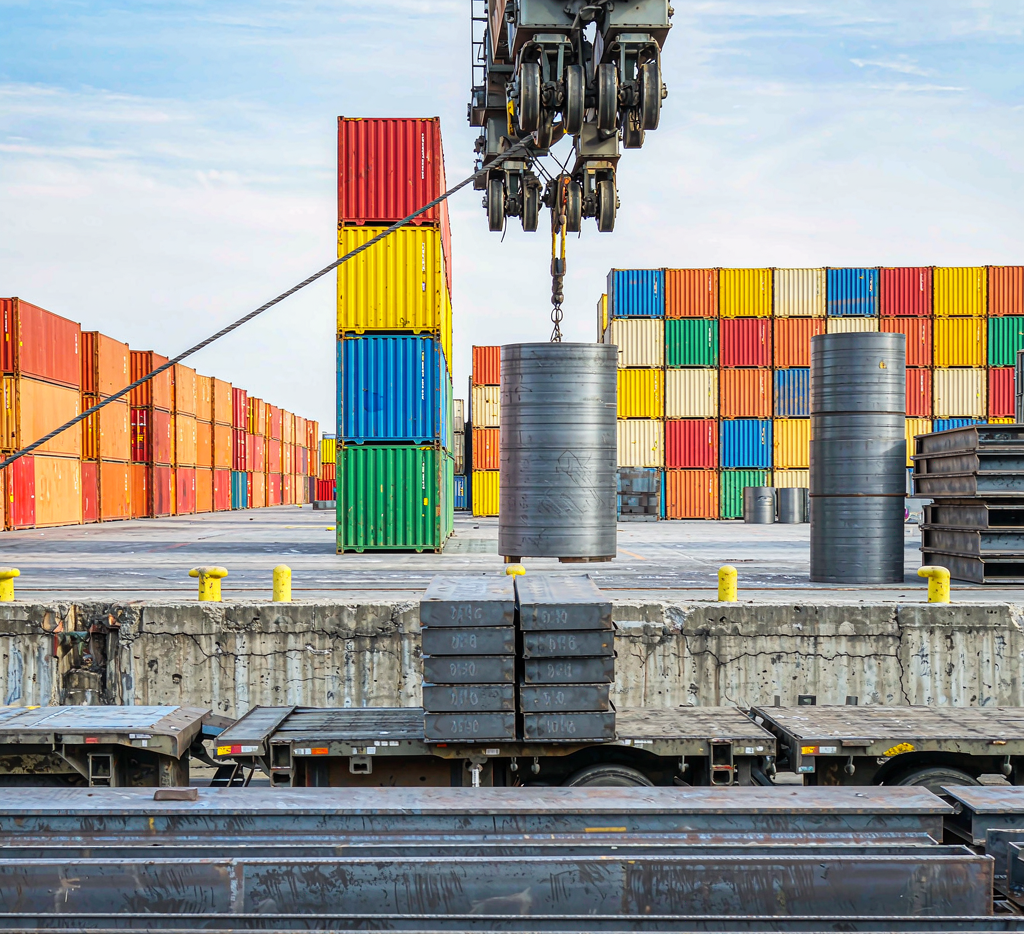
Unlike consumer goods, carbon steel is heavy, susceptible to corrosion, and expensive to replace on short notice. A single container of steel plates can exceed $50,000 in value. Common transit risks include:
Sea water ingress: Damaged container seals allow saltwater to enter, causing rapid rust on unprotected surfaces
Condensation (container rain): Temperature fluctuations create moisture inside containers, leading to localized corrosion
Physical damage: Improper stowage or lash failure causes steel coils to shift and deform
Theft and pilferage: High-value steel products are targets at intermediate ports
2. Insurance Coverage Types: ICC-A, ICC-B, and ICC-C
Institute Cargo Clauses (ICC) define three main coverage levels under English law, widely adopted globally:
Important: No standard ICC clause covers inherent vice, including spontaneous rusting. To protect against condensation damage, you must specify additional coverage for “rust and oxidation” or ensure proper VCI packaging and desiccants.
3. How Incoterms Allocate Insurance Responsibility
The Incoterm determines who arranges and pays for marine cargo insurance:
CIF (Cost Insurance Freight): Seller arranges insurance to destination port. Minimum coverage is ICC-C. Buyers should request ICC-A and name themselves as insured party.
CFR (Cost and Freight): Buyer arranges insurance from port of shipment. Risk transfers when goods cross ship’s rail.
FOB (Free On Board): Buyer arranges insurance from port of shipment. Seller has no insurance obligation.
DAP/DDP: Seller bears risk until named destination. Seller should arrange comprehensive door-to-door coverage.
4. Calculating Insured Value and Premiums
Standard practice is to insure for 110% of CIF value (invoice value + freight + insurance). This covers not just replacement cost but also forwarding charges, duties, and potential profit loss.
Premium rates for carbon steel typically range from 0.15% to 0.45% of insured value, depending on route, packaging, coverage level, and claim history. China-Europe routes via Suez Canal command higher rates due to recent geopolitical risks. China-Southeast Asia routes enjoy lower premiums.
5. Claims Procedure and Documentation
If damage occurs, follow this procedure to maximize claim success:
Notify the insurance broker or underwriter within 24-48 hours of discovering damage
Request joint survey by surveyor appointed by insurer and independent surveyor
Preserve damaged goods and packaging for inspection
Submit formal claim within the policy time limit (typically 12 months from discharge)
FAQ
Does marine insurance cover steel that rusts during transit?
Standard ICC clauses exclude rust as an inherent vice. You must purchase additional “rust and oxidation” coverage, or ensure mill-applied oil coating, VCI film, and container desiccants are used.
What is the difference between warehouse-to-warehouse and port-to-port coverage?
Warehouse-to-warehouse covers from seller’s warehouse to buyer’s warehouse, including inland transit. Port-to-port covers only ocean leg. For carbon steel, warehouse-to-warehouse is strongly recommended as loading/unloading is when most physical damage occurs.
Should I use open cover or voyage policy?
If you ship carbon steel regularly (more than 6 times per year), open cover provides automatic protection for all shipments without individual policy issuance. Occasional shippers should use voyage policies per shipment.
Can Huaxia-Steel arrange insurance on behalf of buyers?
Yes. For CIF and DDP shipments, we arrange marine cargo insurance with PICC or international underwriters (Lloyd’s syndicates). We provide insurance certificates naming the buyer as loss payee. Premium is added to invoice at cost.
Exporting carbon steel and need reliable cargo protection? Huaxia-Steel provides CIF quotations including marine cargo insurance with ICC-A coverage and rust protection add-ons. Contact us for shipping schedules, insurance certificates, and competitive freight rates.
If you require further information about our metal sheet products or architectural projects, please don’t hesitate to leave your contact details and message here.
Our team of experts will respond within 24 hours to continue the discussion and provide you with any additional information you requires.