
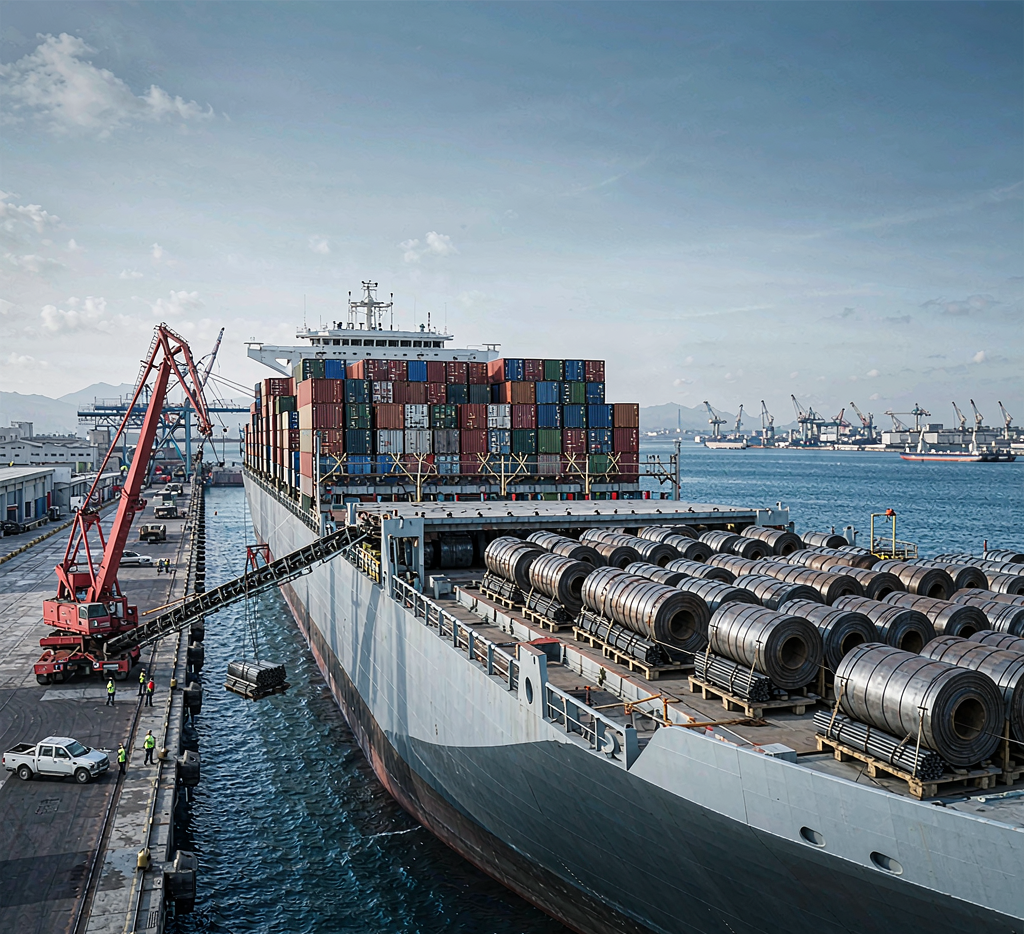
Logistics costs can represent 10-25% of the total landed cost for carbon steel imports from China. With ocean freight rates, fuel surcharges, inland trucking, port handling, and customs fees all subject to volatility, importers who optimize their logistics strategy can significantly improve margins. This guide provides practical, field-tested methods to reduce carbon steel import logistics costs without compromising delivery reliability or material quality.
1. Optimize Container Loading and Cargo Density
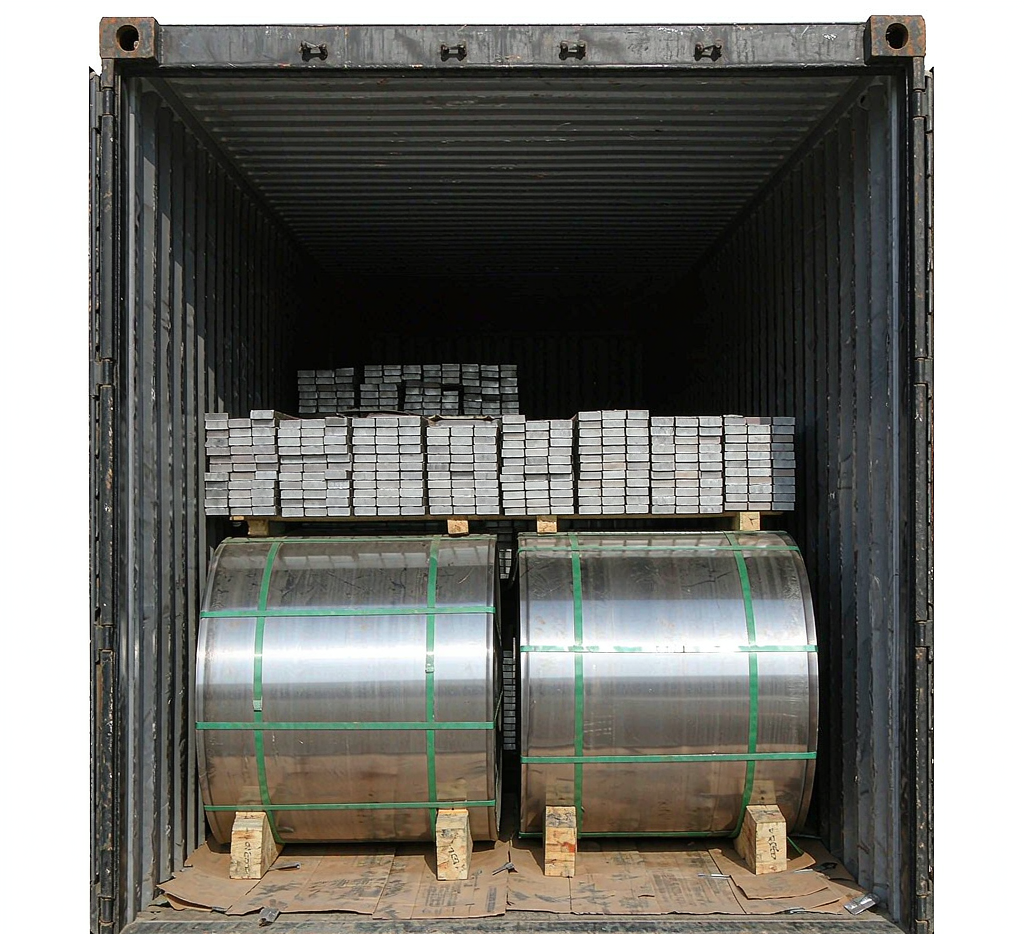
Steel is heavy and dense, which means container weight limits rather than volume often determine capacity. A standard 20-foot container can hold approximately 21-25 metric tons of steel, while a 40-foot container may be limited to 26-28 tons due to road weight restrictions in many countries.
| Strategy | Potential Savings | Notes |
|---|---|---|
| Use 20GP for heavy cargo | 5-15% per ton | Better weight utilization than 40GP |
| Mix product types in one container | Reduces empty space | Requires compatible stacking and dunnage |
| Order in mill-bundle quantities | Reduces repacking labor | Match bundle sizes to container width |
| Pre-cut long products to container length | Avoids open-top surcharges | May increase processing cost |
Work with your supplier to prepare container-loading plans before production. Huaxia-Steel provides 3D loading drawings and weight distribution calculations to maximize each container without exceeding axle limits.
2. Consolidate Shipments and Plan Ahead
Small, frequent shipments increase per-ton freight and handling costs. Consolidating multiple orders into fewer sailings reduces the number of bills of lading, customs entries, and inland deliveries. Planning 6-8 weeks ahead also avoids premium rates for urgent bookings.
For regular buyers, establishing a forecast and committing to monthly or quarterly volumes allows suppliers to reserve container slots at contracted rates. This can reduce ocean freight costs by 10-20% compared to spot-market bookings.
3. Choose the Right Incoterms
Incoterms determine who pays for freight, insurance, and risk at each stage. For experienced importers with existing freight forwarders, FOB terms often provide the most control and transparency. For first-time importers or complex destinations, CIF or DAP may simplify management but at higher total cost.
- FOB: Buyer controls ocean freight; best for volume shippers
- CFR/CIF: Seller arranges main carriage; convenient but less transparent
- DAP/DDP: Seller manages delivery to destination; highest convenience but highest cost
4. Optimize HS Codes and Duty Management
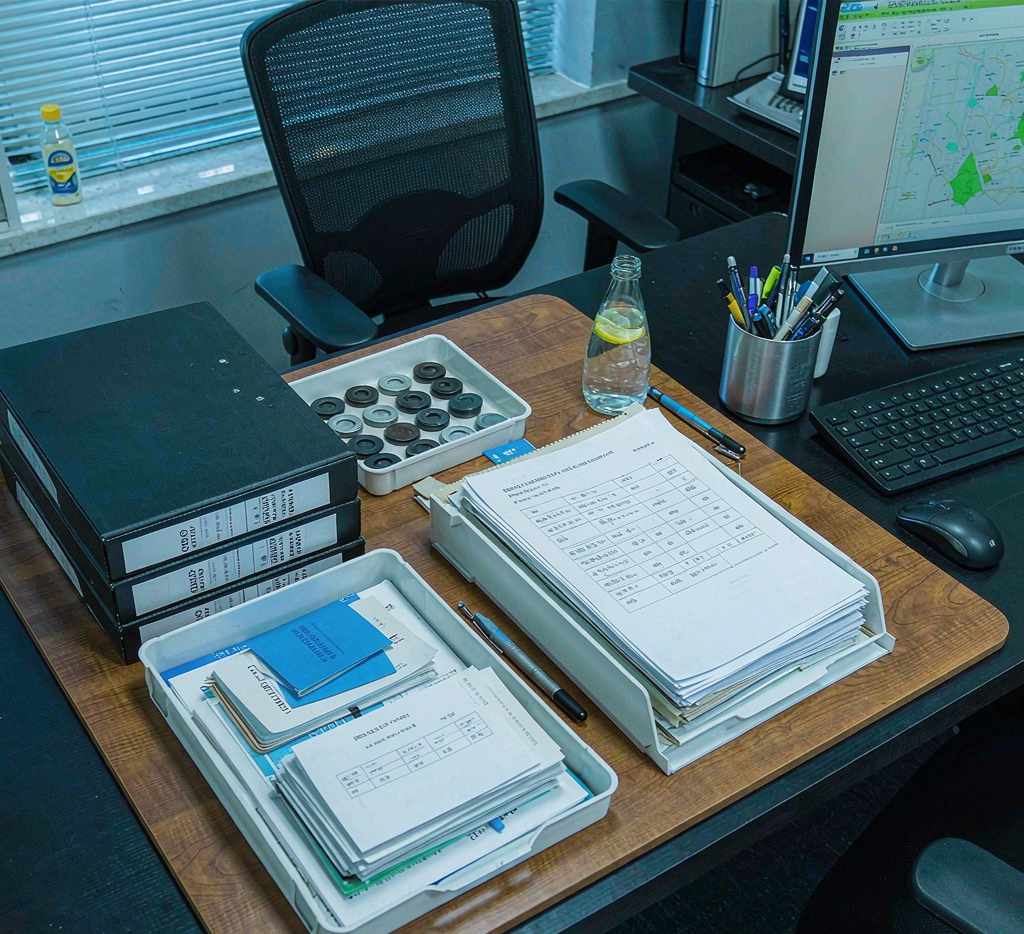
Correct HS code classification avoids customs delays, penalties, and overpayment of duties. Some countries offer preferential duty rates under free trade agreements or generalized system of preferences. Using the right certificate of origin can reduce or eliminate import duties.
Common mistakes include classifying hot-rolled products as cold-rolled, confusing seamless and welded pipe classifications, and missing regional value-content requirements for preferential certificates. Huaxia-Steel supports clients with classification opinions and origin documentation.
5. Reduce Inland and Last-Mile Costs
Port selection matters. Routing cargo through a port closer to your final destination can reduce inland trucking by hundreds of kilometers. For large volumes, consider rail or barge from the port instead of truck. For regular imports, negotiating a long-term trucking contract locks in rates and capacity.
Another effective strategy is to use a customs-bonded warehouse near the port. This allows you to clear customs and pay duties only when material is withdrawn, improving cash flow and enabling consolidation with domestic shipments.
FAQ
What is the cheapest way to ship carbon steel from China?
For full-container loads, FOB shipping in 20-foot containers is usually most cost-effective for heavy steel. Bulk charter or breakbulk may be cheaper for very large quantities over 5,000 tons. For small orders, LCL is expensive per ton and should be avoided when possible.
How can I avoid demurrage and detention fees?
Prepare customs documents before arrival, pre-clear cargo where possible, and arrange trucking within free time. Booking chassis and truck capacity in advance prevents storage at the terminal. Huaxia-Steel provides draft documents 5-7 days before arrival.
Does consolidating orders reduce risk?
Consolidation reduces handling and freight costs but increases single-point-of-failure risk if one shipment is delayed. Balance consolidation with supply-chain redundancy by splitting critical orders across two sailings.
Can Huaxia-Steel manage door-to-door delivery?
Yes. We offer FOB, CFR, CIF, DAP, and DDP delivery options depending on your needs. Our logistics team coordinates with forwarders, customs brokers, and trucking partners in major import markets to minimize landed cost.
Looking to reduce your carbon steel import logistics costs? Contact Huaxia-Steel for a logistics review, optimized loading plans, and competitive shipping solutions that lower your landed cost per ton.