Understanding carbon steel begins with chemical composition. The precise balance of carbon, manganese, silicon, phosphorus, and sulfur — along with trace alloying elements — determines everything from tensile strength and hardness to weldability and machinability. For procurement professionals and engineers sourcing carbon steel internationally, having a reliable reference for chemical composition limits and corresponding mechanical properties across different grades is essential. This guide provides detailed composition data for the most commonly traded carbon steel grades.

1. Key Alloying Elements in Carbon Steel
| Element | Symbol | Typical Range | Effect on Properties |
|---|---|---|---|
| Carbon | C | 0.05-1.00% | Primary hardener; increases tensile strength, hardness, and wear resistance; reduces ductility, weldability, and toughness |
| Manganese | Mn | 0.25-1.65% | Deoxidizer and desulfurizer; increases hardenability and tensile strength; counteracts sulfur brittleness |
| Silicon | Si | 0.10-0.50% | Deoxidizer; increases strength and hardness; improves magnetic properties in electrical steels |
| Phosphorus | P | ≤0.040% | Generally considered an impurity; increases strength but severely reduces ductility and toughness; causes cold shortness |
| Sulfur | S | ≤0.050% | Generally an impurity; improves machinability in free-cutting grades; causes hot shortness and reduces weldability |
2. Low Carbon Steels (C ≤ 0.25%) — Composition & Properties
| Grade | C% | Mn% | Si% | P max% | S max% | YS (MPa) | TS (MPa) | EL% |
|---|---|---|---|---|---|---|---|---|
| A36 | ≤0.26 | 0.60-0.90 | 0.15-0.40 | 0.040 | 0.050 | ≥250 | 400-550 | ≥20 |
| SS400 | ≤0.20 | ≤1.40 | — | 0.050 | 0.050 | ≥245 | 400-510 | ≥17 |
| S235JR | ≤0.17 | ≤1.40 | — | 0.035 | 0.035 | ≥235 | 360-510 | ≥24 |
| 1018 | 0.15-0.20 | 0.60-0.90 | 0.15-0.35 | 0.040 | 0.050 | ≥310 | 440-540 | ≥23 |
| 1020 | 0.18-0.23 | 0.30-0.60 | 0.15-0.35 | 0.040 | 0.050 | ≥350 | 470-570 | ≥20 |
| SPCC | ≤0.12 | ≤0.50 | — | 0.040 | 0.045 | ≥130-280 | ≥270 | ≥28-36 |
3. Medium Carbon Steels (C 0.25-0.55%) — Composition & Properties
Medium carbon steels are typically used in the quenched and tempered (Q&T) condition to achieve an optimum combination of strength and toughness. The carbon content provides sufficient hardenability for through-hardening in smaller sections, while maintaining adequate ductility for most engineering applications.
| Grade | C% | Mn% | Si% | Condition | YS (MPa) | TS (MPa) | HBW |
|---|---|---|---|---|---|---|---|
| 1045 (S45C) | 0.43-0.50 | 0.60-0.90 | 0.15-0.35 | Normalized | ≥340 | ≥585 | 170-210 |
| 1045 (S45C) | 0.43-0.50 | 0.60-0.90 | 0.15-0.35 | Q&T (540°C) | ≥530 | ≥700 | 200-250 |
| 1050 (S50C) | 0.48-0.55 | 0.60-0.90 | 0.15-0.35 | Normalized | ≥365 | ≥635 | 180-220 |
| 4140 (SCM440) | 0.38-0.43 | 0.75-1.00 | 0.15-0.35 | Q&T (540°C) | ≥830 | ≥1,030 | 280-340 |
| 4340 | 0.38-0.43 | 0.60-0.80 | 0.15-0.35 | Q&T (540°C) | ≥1,100 | ≥1,275 | 340-400 |
| 1035 (S35C) | 0.32-0.38 | 0.60-0.90 | 0.15-0.35 | Normalized | ≥282 | ≥515 | 150-180 |

4. High Carbon Steels (C > 0.55%) — Composition & Properties
High carbon steels offer maximum hardness and wear resistance but reduced ductility and weldability. These grades are almost always used in the hardened and tempered condition for tooling, springs, and wear components. The high carbon content means special precautions are needed during welding and forming.
| Grade | C% | Mn% | Condition | Hardness (HRC) | TS (MPa) | Application |
|---|---|---|---|---|---|---|
| 1060 | 0.55-0.65 | 0.60-0.90 | Hardened | 55-62 | 1,450-1,750 | Springs, agricultural tools |
| 1074 | 0.70-0.80 | 0.50-0.80 | Hardened | 58-64 | 1,550-1,850 | Coil springs, cutting edges |
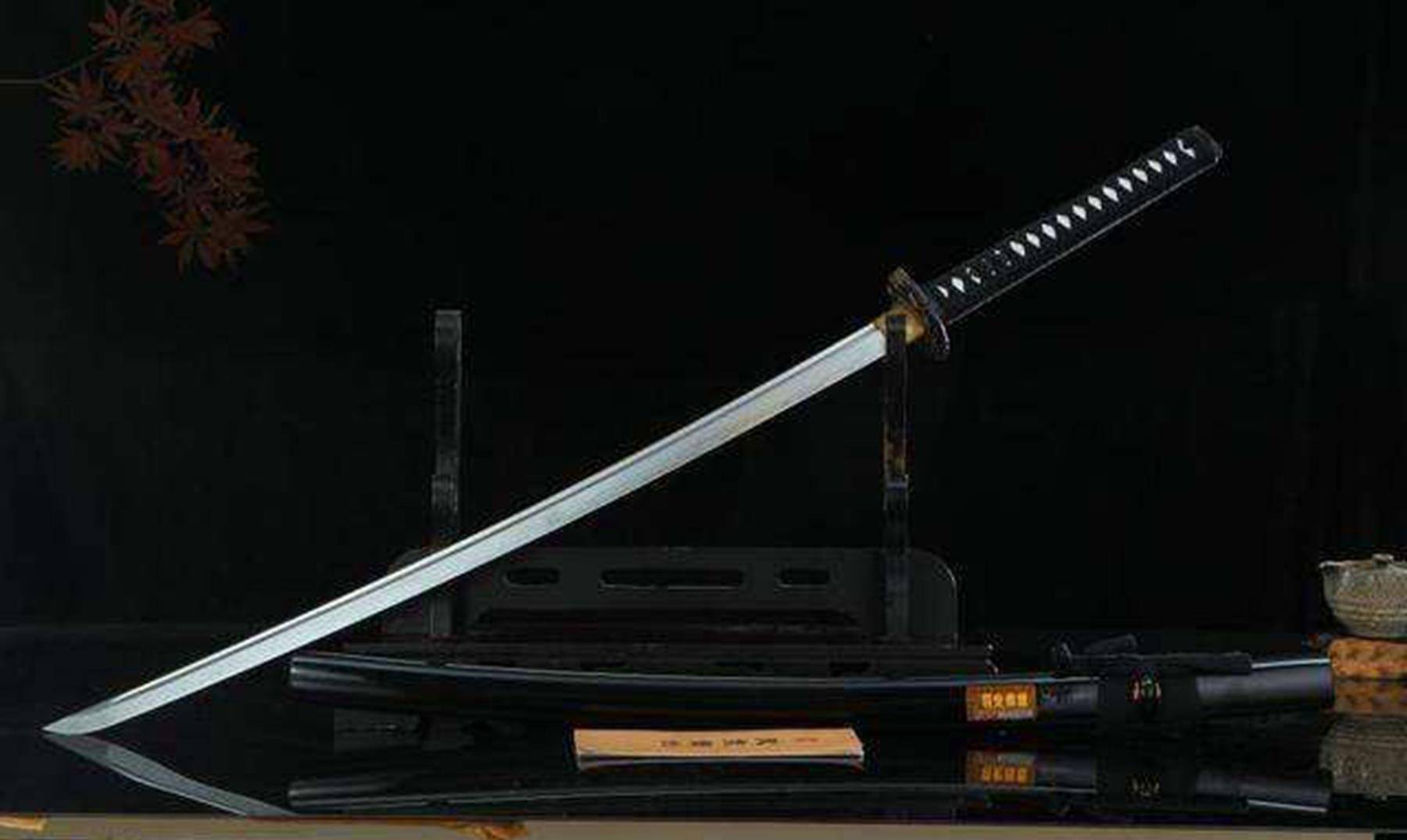
| 1095 | 0.90-1.03 | 0.30-0.50 | Hardened | 60-66 | 1,600-1,900 | Knife blades, band saws |
| 5160 | 0.56-0.64 | 0.75-1.00 | Q&T | 55-60 | 1,500-1,700 | Automotive leaf springs |
| 6150 | 0.48-0.53 | 0.70-0.90 | Q&T | 52-58 | 1,450-1,650 | Heavy-duty springs |
| 52100 | 0.98-1.10 | 0.25-0.45 | Hardened | 62-66 | 1,800-2,100 | Anti-friction bearings |
5. Understanding Carbon Equivalent (CE)
The Carbon Equivalent (CE) is a critical parameter for assessing the weldability of carbon and low-alloy steels. It converts the effect of all alloying elements into an equivalent carbon percentage. The International Institute of Welding (IIW) formula is the most widely used:
CE(IIW) = C + Mn/6 + (Cr + Mo + V)/5 + (Ni + Cu)/15
| CE Value | Weldability | Preheat Required | Recommended Action |
|---|---|---|---|
| ≤ 0.35 | Excellent | None | Standard welding procedures acceptable |
| 0.36 – 0.40 | Very Good | None (< 25mm) | Low-hydrogen electrodes recommended |
| 0.41 – 0.45 | Good | 50-100°C | Preheat + low-hydrogen electrodes |
| 0.46 – 0.50 | Fair | 100-200°C | Preheat + post-weld heat treatment (PWHT) |
| > 0.50 | Difficult | 200-350°C | Strict preheat + PWHT; consider alternative joining |
6. Effect of Impurity Elements
Beyond the primary alloying elements, residual and tramp elements can significantly affect carbon steel properties. Understanding these effects is important when comparing material from different suppliers or regions:
- Copper (Cu, 0.20-0.50%): Improves atmospheric corrosion resistance (weathering steel). Residual above 0.30% can cause hot shortness during hot rolling.
- Chromium (Cr, 0.10-0.30%): Residual chromium increases hardenability and can affect CE calculation. Intentional additions begin above 0.40%.
- Nickel (Ni, 0.10-0.30%): Improves toughness at low temperatures. Residual nickel is generally beneficial to mechanical properties.
- Nitrogen (N, 0.005-0.015%): Increases strength through solid solution strengthening but can cause strain aging. Aluminum-killed steels have lower free nitrogen.
- Oxygen (O, < 0.005% in killed steel): Forms oxide inclusions that reduce fatigue life. Fully killed (Al-killed) steel has the lowest oxygen content.

Frequently Asked Questions
Q: How are chemical composition limits verified during inspection?
A: Optical Emission Spectrometry (OES) is the standard method for verifying chemical composition. A small area of the steel surface is sparked, and the emitted light spectrum is analyzed to determine elemental concentrations within seconds. This is non-destructive and can be performed on-site by third-party inspectors.
Q: What tolerance is acceptable on chemical composition?
A: Product analysis tolerances per ASTM A6/A6M, JIS G0321, or EN 10025 allow small deviations from the heat (ladle) analysis. For example, ASTM allows ±0.02% on carbon for grades ≤0.30% C on product analysis. Always specify whether heat or product analysis limits apply.
Q: Can carbon steel composition vary between heats from the same mill?
A: Yes, each heat (typically 50-200 tons from a single furnace) may have slight compositional variations within the specified range. For critical applications, request heat-specific mill test certificates rather than generic grade certificates.
Ready to source high-quality carbon steel products at competitive factory-direct prices? Contact Huaxia-Steel today for a free quotation and consultation. Our team provides full Mill Test Certificates (MTC), third-party inspection reports, and flexible shipping options worldwide.