Stress Relief Annealing vs Normalizing Carbon Steel: Heat Treatment Guide
Welded fabrications, machined castings, and cold-formed carbon steel components often carry residual stresses that can cause distortion during machining, cracking under load, or dimensional instability in service. Two essential heat treatments address these issues: stress relief annealing and normalizing. While both involve heating and cooling, they serve different metallurgical purposes and produce distinctly different microstructures. Choosing the right process ensures your carbon steel parts perform reliably.
1. Process Temperature and Thermal Cycles
Stress relief annealing heats carbon steel to a temperature below the lower critical point (Ac1), typically 550-650C for most grades. The material remains in the ferrite-plus-pearlite condition throughout; no phase transformation occurs. Holding at temperature for 1-2 hours allows residual stresses to relax through creep and recovery mechanisms.
Normalizing heats steel approximately 40-60C above the upper critical temperature (Ac3), typically 850-920C for low-carbon grades. This transforms the microstructure to austenite. Air cooling afterward refines the grain structure and produces a more uniform distribution of ferrite and pearlite.
Parameter
Stress Relief Annealing
Normalizing
Heating Temperature
550-650C (below Ac1)
850-920C (above Ac3)
Phase Transformation
None
Ferrite/Pearlite to Austenite
Cooling Method
Furnace cool (slow)
Still air
Grain Structure
Unchanged
Refined
Hardness Change
Minimal (0-10 HB drop)
Moderate increase possible
2. Microstructural Effects and Mechanical Consequences
Stress relief annealing does not alter the underlying grain structure or phase balance. It simply reduces dislocation density and elastic strain energy. Mechanical properties remain essentially unchanged, which is precisely the goal when you need stress reduction without affecting hardness or strength.
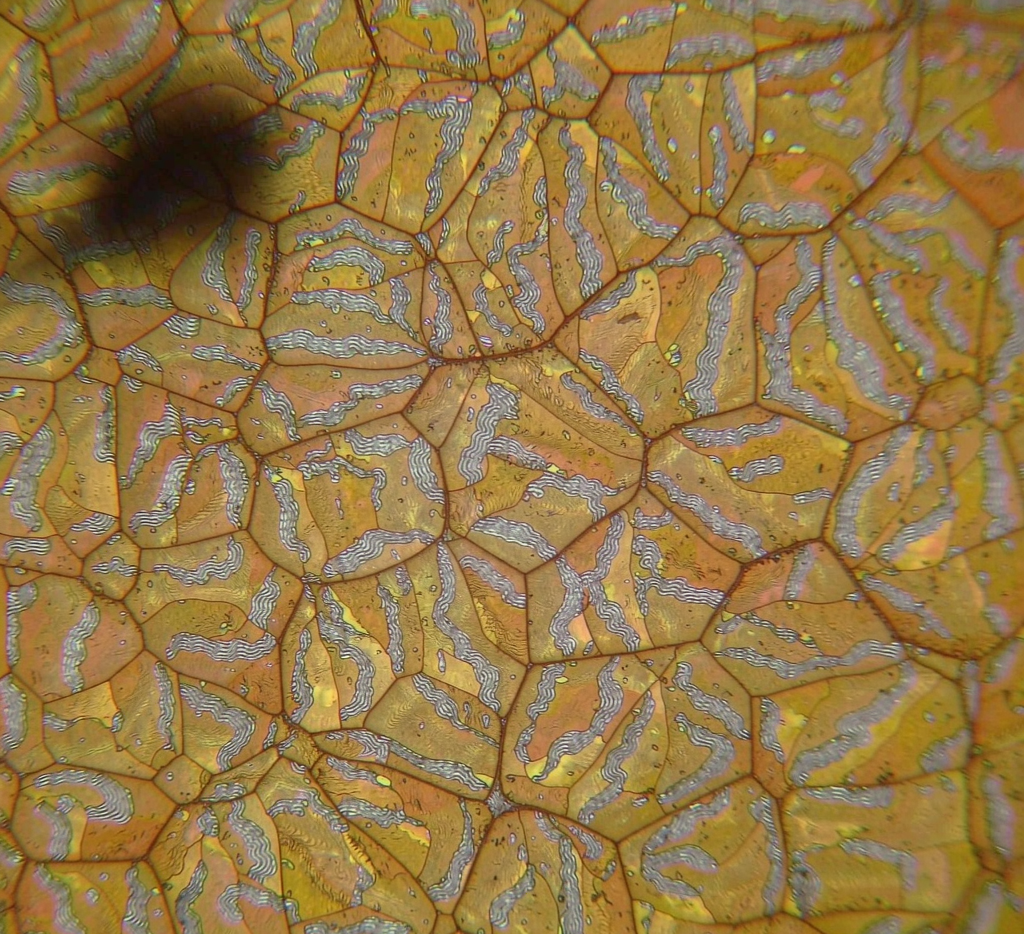
Normalizing breaks up large ferrite grains and banded pearlite structures that form during hot rolling. The resulting finer, more uniform grain structure improves toughness, raises yield strength slightly (typically 20-40 MPa), and enhances machinability by producing more uniform chip breaking.
3. Distortion Control and Dimensional Stability
Stress relief annealing causes minimal distortion because temperatures are low and no phase transformation occurs. This makes it ideal for large welded fabrications, precision-machined components, and assemblies with tight tolerance requirements. Furnace cooling must be slow enough (under 100C/hour below 400C) to prevent thermal gradients from reintroducing stress.
Normalizing carries higher distortion risk due to the greater temperature range and phase transformation volume change. Parts with varying section thickness or asymmetrical geometry may warp. For critical dimensions, normalizing should be followed by stress relief or finish machining.
4. Typical Applications for Each Process
Stress relief annealing is recommended for:
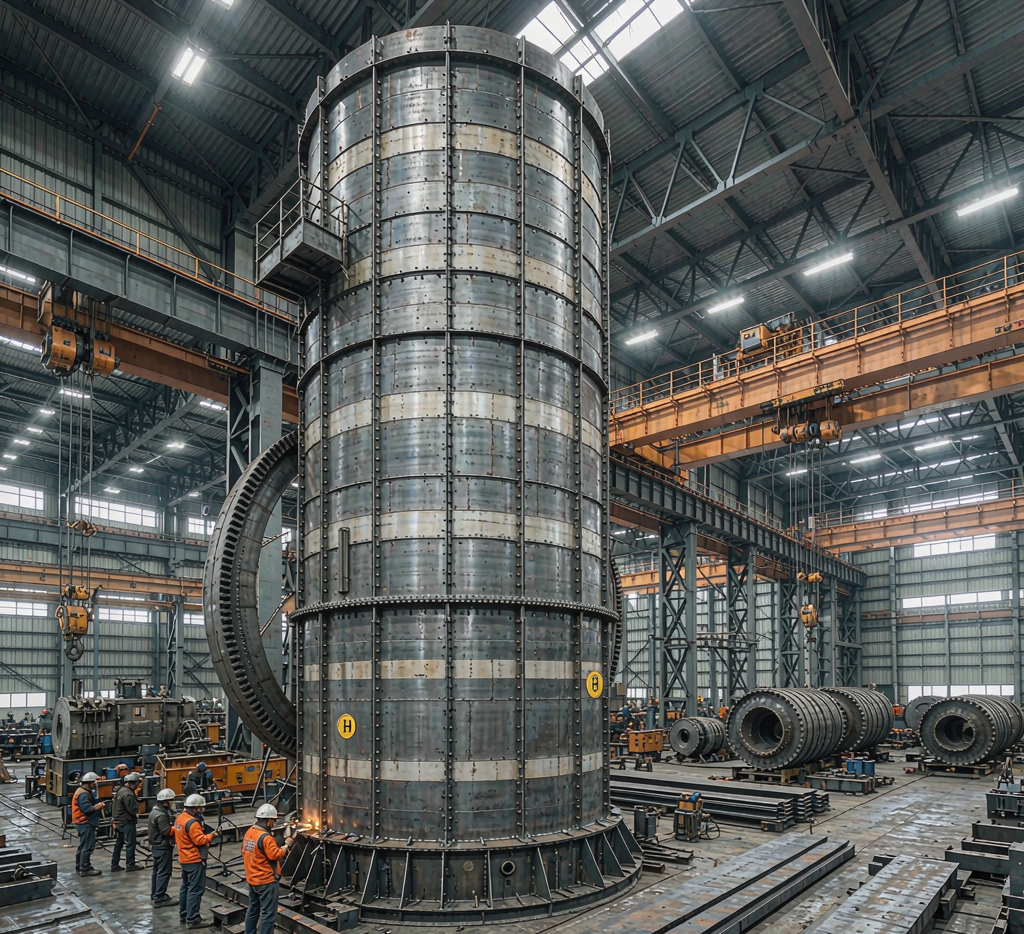
Welded pressure vessels and storage tanks after fabrication
Large machine tool beds and frames before finish machining
Cold-formed structural sections with springback issues
Castings with complex geometries prone to cracking
Pre-machining treatment for parts requiring tight flatness
Normalizing is recommended for:
Hot-rolled plates and bars requiring improved toughness
Castings with coarse as-cast grain structure
Welded structures in low-temperature service (Charpy improvement)
Parts requiring uniform response to subsequent hardening
Steel for pressure vessels where normalized condition is code-required
5. Cost and Lead Time Considerations
Stress relief annealing is generally faster and less energy-intensive than normalizing because peak temperatures are lower. A typical cycle is 4-6 hours including heating and cooling. Normalizing requires higher furnace temperatures and may need post-normalizing stress relief, extending total cycle time to 12-18 hours.
At Huaxia-Steel, we partner with ISO-certified heat treatment facilities offering both processes. For export orders, we provide full heat treatment certificates documenting temperature charts, soak times, and cooling rates per customer specifications.
FAQ
Can stress relief annealing replace normalizing?
No. Stress relief annealing only reduces residual stress; it does not refine grain structure or improve toughness. If your specification calls for normalized material for code compliance or low-temperature toughness, stress relief alone is not sufficient.
How do I know if my welded part needs stress relief?
Stress relief is required by codes (ASME VIII, EN 13445) when material thickness exceeds certain limits, when post-weld machining is needed, or when the design specifies it. As a rule of thumb, heavily restrained welds in thick sections (over 38mm) and parts requiring tight flatness should be stress-relieved.
Does normalizing improve corrosion resistance?
Indirectly, yes. Normalizing produces a more uniform microstructure that responds more consistently to surface treatments like shot blasting and coating application. However, normalizing does not change the intrinsic corrosion resistance of carbon steel, which remains low without protective coatings.
What is the maximum part size Huaxia-Steel can treat?
Our heat treatment partners handle parts up to 12 meters in length and 50 tons in weight. For oversized fabrications, on-site local heat treatment using ceramic pad heaters and programmable controllers is available.
Need stress-relieved or normalized carbon steel plates, bars, or fabrications? Contact Huaxia-Steel for technical recommendations, certified heat treatment, and mill-direct supply with full traceability documentation.
If you require further information about our metal sheet products or architectural projects, please don’t hesitate to leave your contact details and message here.
Our team of experts will respond within 24 hours to continue the discussion and provide you with any additional information you requires.