Carbon Steel Surface Treatment: Galvanizing vs Painting vs Powder Coating
Carbon steel is strong, affordable, and versatile — but it corrodes. The right surface treatment can extend the lifespan of your steel components by 10 to 50 years. This article compares the three most common industrial options: hot-dip galvanizing, conventional painting, and powder coating.
1. Why Carbon Steel Needs Surface Protection
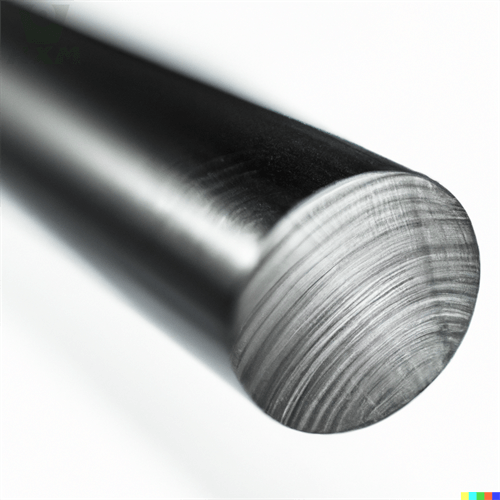
Raw carbon steel begins to oxidize when exposed to moisture and oxygen. The rate of corrosion depends on the environment: marine, industrial, or rural. Without protection, even thick structural sections lose cross-sectional area and load-bearing capacity over time.
2. Hot-Dip Galvanizing
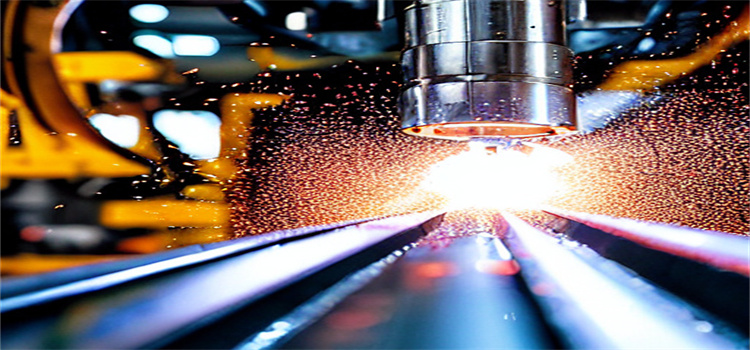
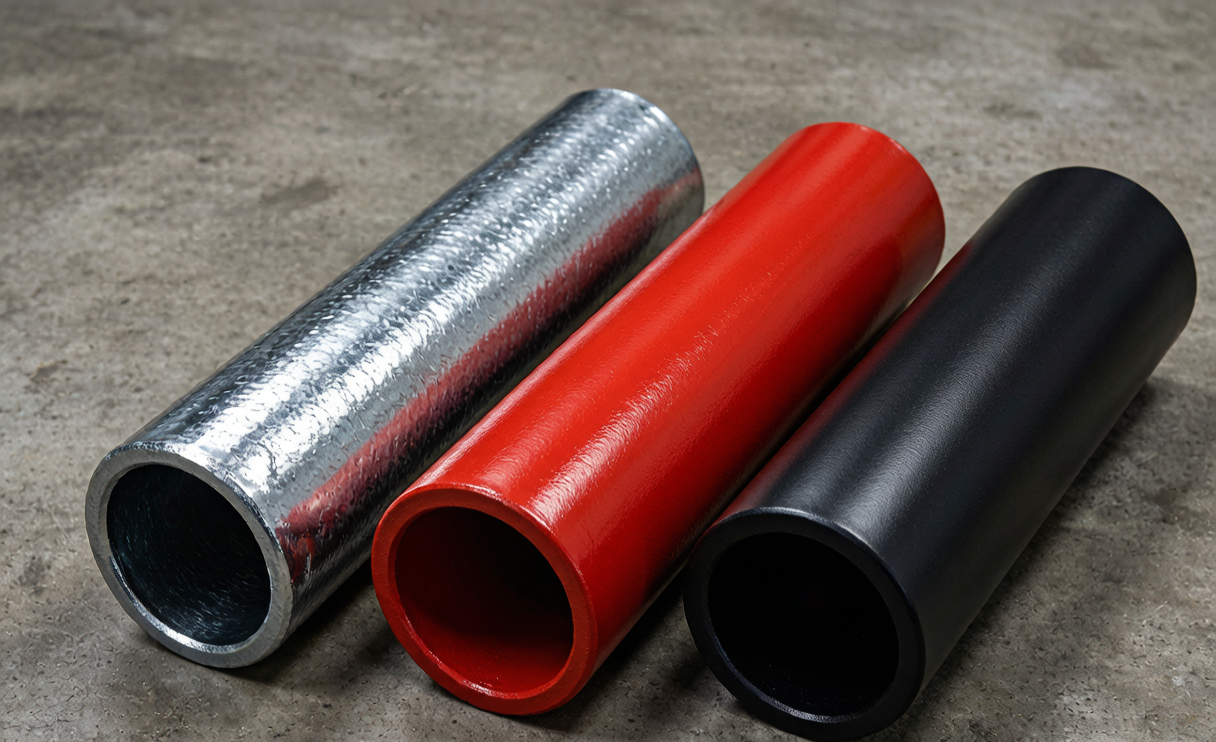
In hot-dip galvanizing, steel is dipped into a bath of molten zinc at approximately 450°C. The zinc forms metallurgical bonds with the steel surface, creating a multi-layer alloy coating.
- Coating thickness: 50–150 μm
- Corrosion resistance: 20–50 years in mild environments
- Cost: Moderate; suitable for large structural pieces
- Best for: Outdoor construction, fencing, transmission towers, marine structures
Galvanizing protects even at cut edges and scratches because zinc acts as a sacrificial anode.
3. Conventional Painting (Wet Coating)
Painting involves applying liquid paint (epoxy, alkyd, or polyurethane) via spray, brush, or roller. Multiple coats are typically required for adequate thickness.
- Coating thickness: 80–300 μm (multi-layer)
- Corrosion resistance: 5–15 years depending on paint quality
- Cost: Low initial cost; high maintenance cost
- Best for: Indoor machinery, color-coded pipes, temporary structures
Paint is cheaper upfront but requires regular repainting. It also does not protect edges or scratches as well as galvanized coatings.
4. Powder Coating
Powder coating uses electrostatically charged dry powder (epoxy, polyester, or hybrid) that is cured at 180–200°C to form a hard, uniform finish.
- Coating thickness: 60–120 μm
- Corrosion resistance: 10–25 years in controlled environments
- Cost: Moderate; ideal for complex shapes and thin sections
- Best for: Automotive parts, appliances, furniture, architectural panels
Powder coating offers a wide range of colors and textures with zero VOC emissions. It is less suitable for very large or heavy structural beams due to oven size limitations.
5. Side-by-Side Comparison
| Factor | Galvanizing | Painting | Powder Coating |
|---|---|---|---|
| Initial Cost | Medium | Low | Medium |
| Lifespan | 20–50 years | 5–15 years | 10–25 years |
| Edge Protection | Excellent | Poor | Good |
| Color Options | Limited | Unlimited | Wide |
| Environmental Impact | Low | Moderate (VOCs) | Low (no VOCs) |
| Max Part Size | Very large | Unlimited | Oven-limited |
6. How to Choose for Your Project
- Outdoor structural steel in harsh climates: Choose hot-dip galvanizing.
- Indoor decorative or precision parts: Choose powder coating.
- Low-budget, short-term, or color-coded applications: Choose painting.
- Maximum durability: Use duplex systems (galvanize + paint or powder coat).
7. Surface Preparation Before Coating
All three methods require proper surface preparation — typically shot blasting to SA 2.5 cleanliness. Oil, rust, and mill scale must be removed or the coating will fail prematurely. Huaxia-Steel performs shot blasting and surface treatment in-house or through certified partner facilities.
FAQ
Can galvanized steel be painted over?
Yes, this is called a duplex system. It provides both cathodic protection (zinc) and a barrier layer (paint), extending lifespan beyond either method alone.
Is powder coating suitable for structural I-beams?
Only if the beam fits inside the curing oven. For very large beams, galvanizing or wet painting is more practical.
Which treatment offers the best cost per year of protection?
Hot-dip galvanizing generally offers the lowest lifetime cost due to its minimal maintenance requirements over decades.
Do surface treatments affect welding?
Yes. Coatings must be removed from weld zones before welding. Zinc fumes from galvanizing are hazardous; proper ventilation is required.
Can you supply pre-treated steel from China?
Yes. Huaxia-Steel coordinates hot-dip galvanizing, shot blasting, and powder coating with certified partner facilities before export.
Order Surface-Treated Carbon Steel from China
Whether you need galvanized, painted, or powder-coated carbon steel, contact Huaxia-Steel for a full specification quote including surface treatment, packing, and shipping.