
Carbon Steel Plate: Grades, Standards & Sourcing Guide
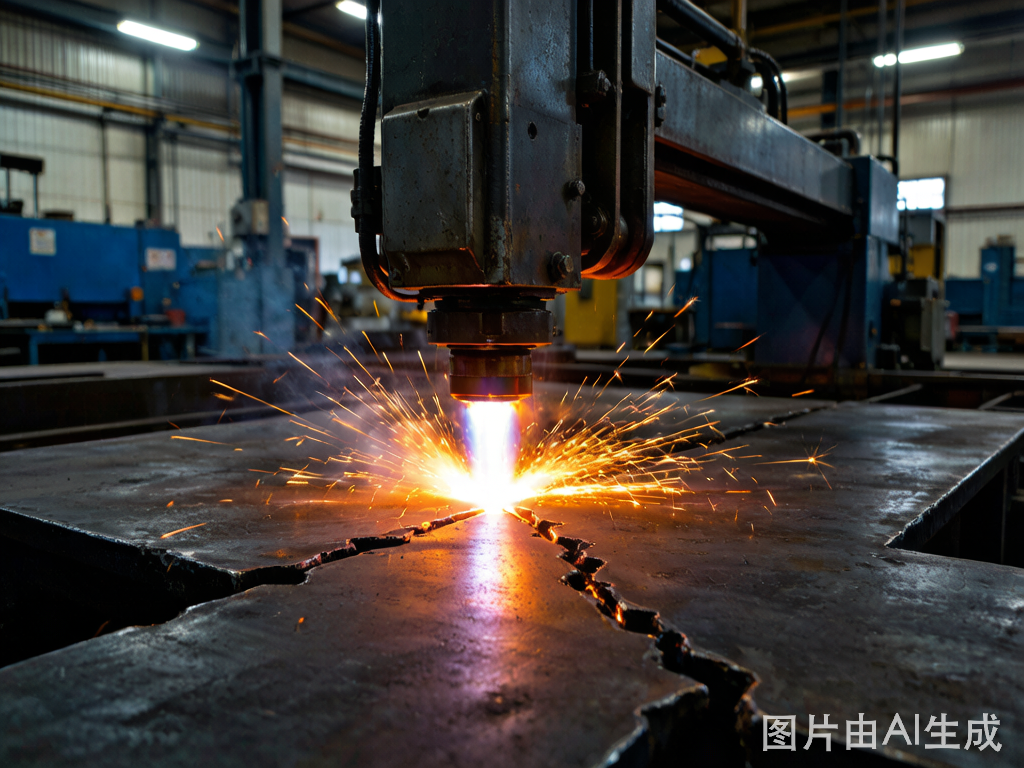
Carbon steel plate is one of the most versatile and wid […]
Carbon Steel Pipe: Complete Sourcing Guide for Global Buyers (2025)
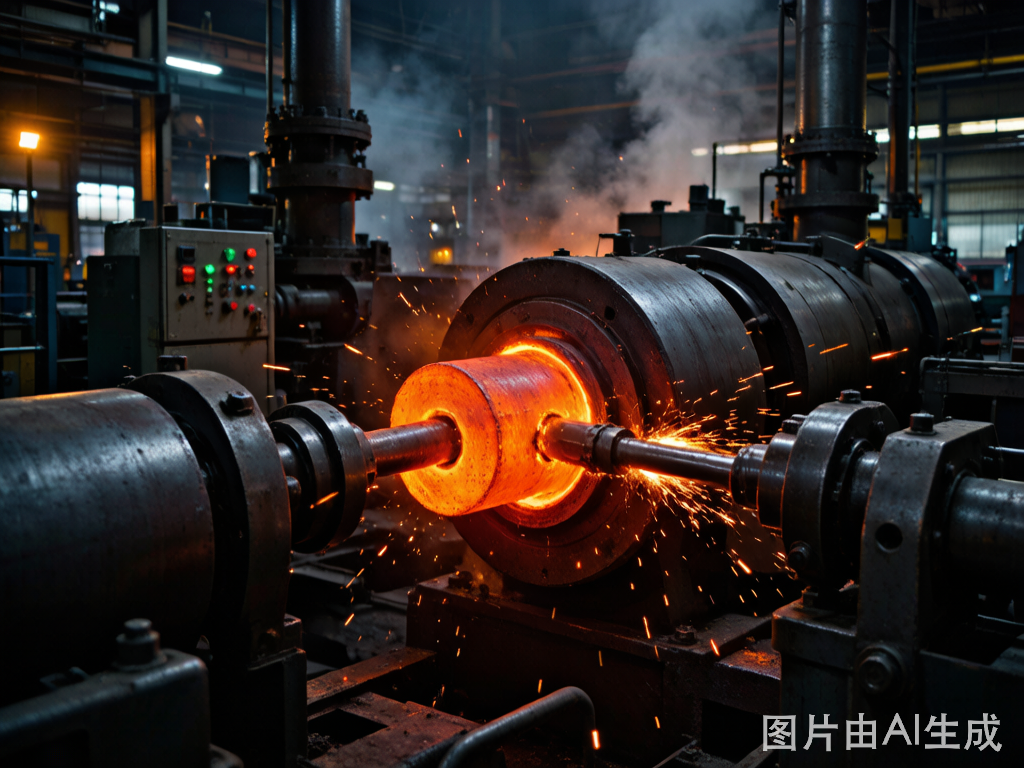
Carbon steel pipe is the backbone of global infrastruct […]
FOB vs CIF vs EXW: Which Incoterm Should Carbon Steel Buyers Use?

If you’ve ever received three quotes for the same […]
Carbon Steel HS Code & Export Tariff Guide: 7208, 7210, 7213 for International Buyers
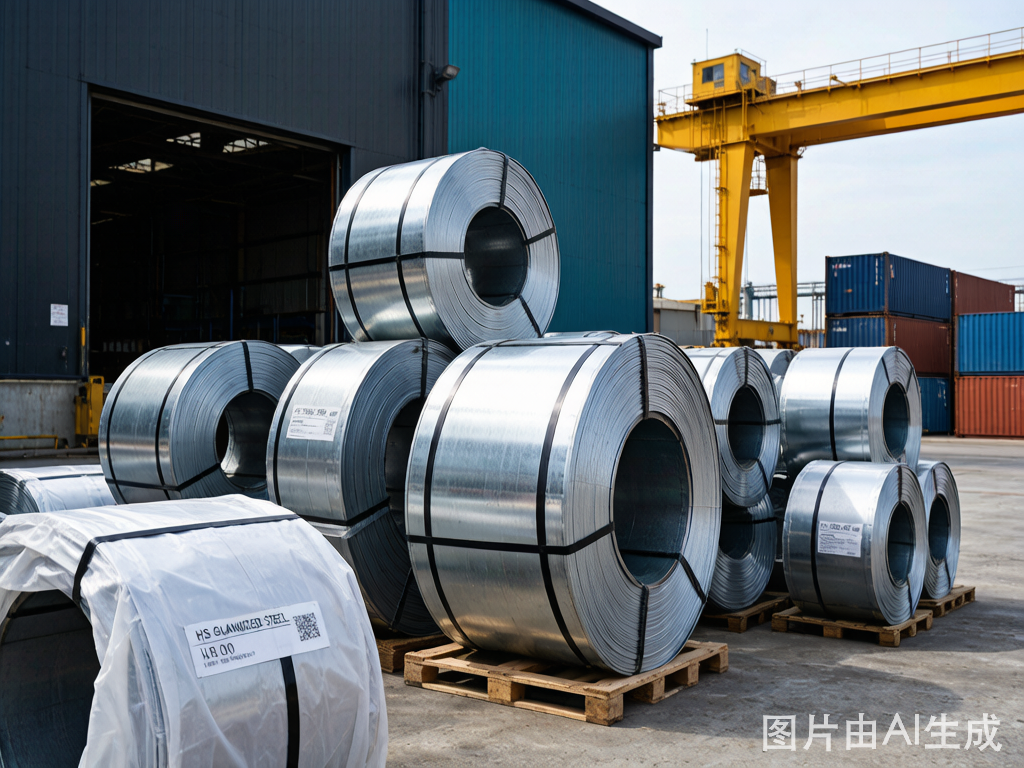
When you ship carbon steel across borders, every custom […]
S45C vs 1045 Steel: What’s the Difference and When to Substitute
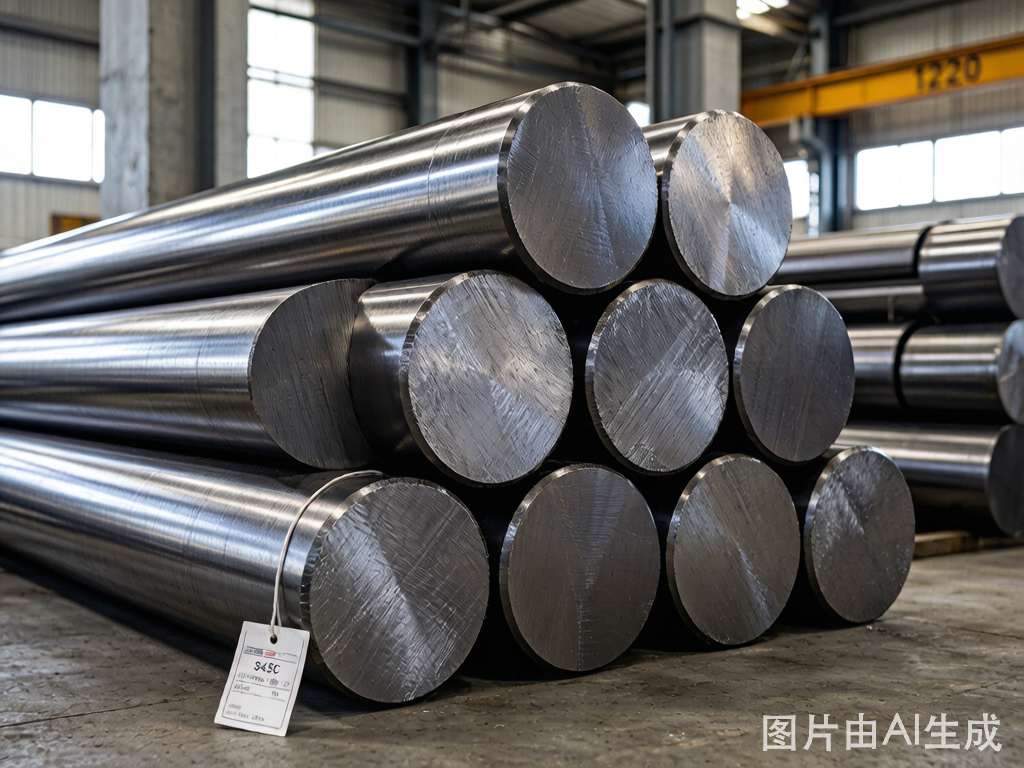
Walk into any machine shop in Asia, North America, or E […]
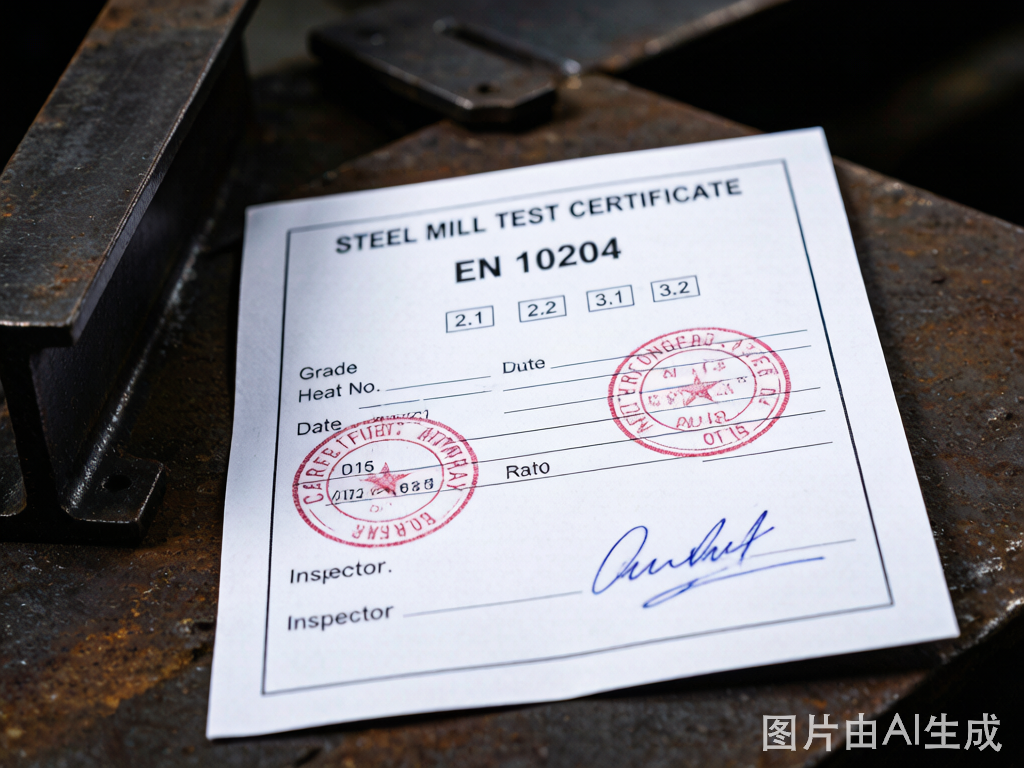
How to Read a Mill Test Certificate (MTC) for Carbon Steel: Buyer’s Complete Guide
��e
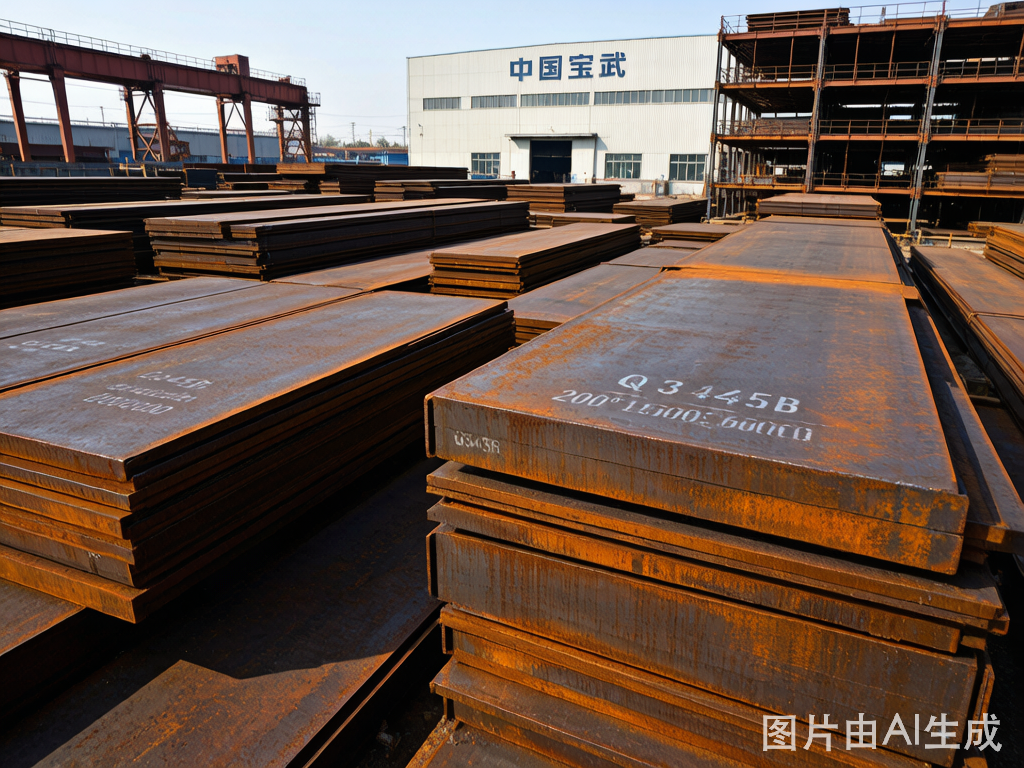
Q235 vs A36 Steel: What Buyers Must Know Before Substitution
��e
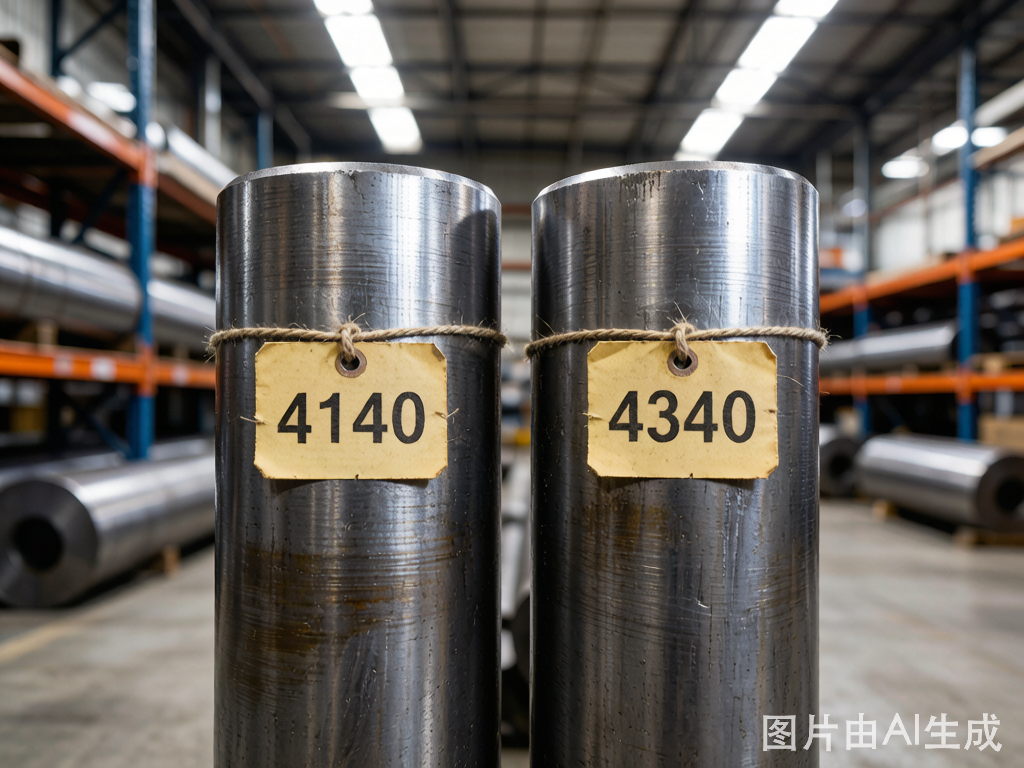
AISI 4140 vs 4340 Steel: Complete Comparison for Buyers and Engineers
��e
Pros and Cons of Low-Carbon Steel: What You Should Know
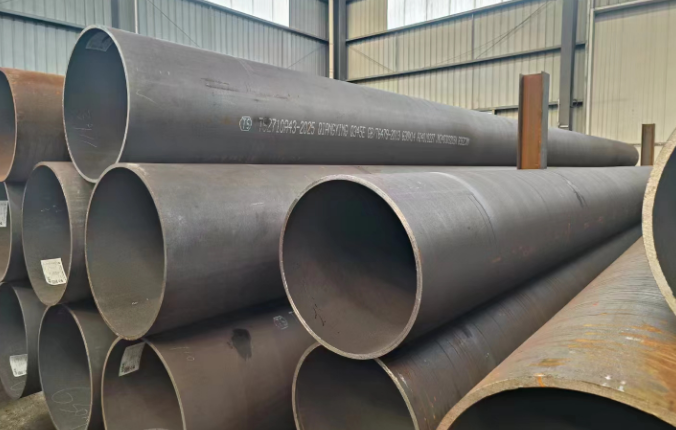
Low-carbon steel, also known as mild steel, is one of t […]
4 Key Differences Between Carbon Steel and Alloy Steel
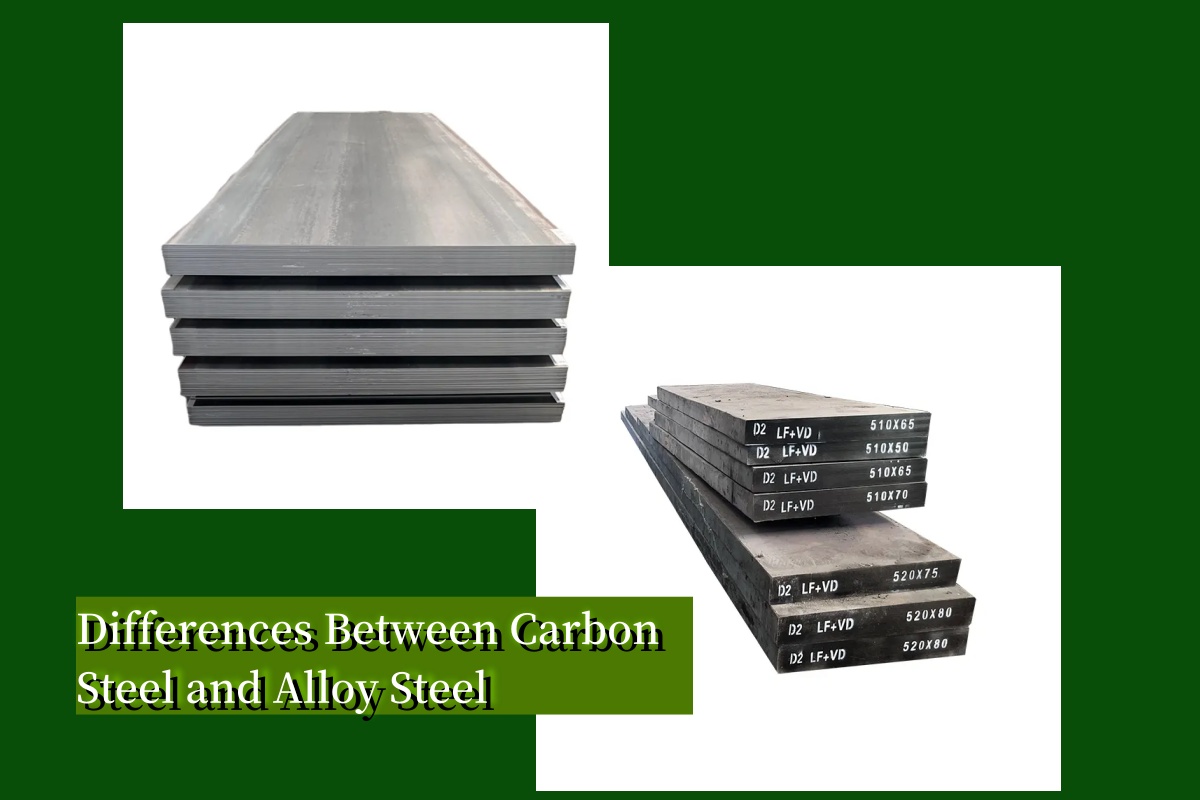
When it comes to choosing the right type of steel for industrial applications, understanding the differences between carbon steel and alloy steel is crucial. These two categories of steel offer distinct properties, and knowing how they differ can help manufacturers, engineers, and buyers select the most suitable material for their needs. Below, we explore the 4 key differences between carbon steel and alloy steel.