ASTM A656 Grade 50 Steel: HSLA Plate
ASTM A656 is the specification for hot-rolled, high-strength low-alloy (HSLA) steel that is engineered to be both strong and formable – the material of choice for trucks, cranes, agricultural equipment, and structural parts where saving weight matters but the part must still bend and weld without cracking. Unlike plain carbon steels that gain strength mainly by adding carbon (which hurts formability and weldability), A656 uses small alloy additions and controlled rolling to achieve high yield with good ductility. For buyers specifying weight-sensitive fabricated steel, A656 Grade 50 offers a roughly fifty percent strength uplift over mild steel at a manageable cost and with predictable fabrication. This article explains what A656 covers, its grade structure, chemistry and mechanical properties, how it is made, how it welds, and where it beats ordinary carbon steel.
1. What Is ASTM A656 High-Strength Low-Alloy Steel?
ASTM A656 covers hot-rolled HSLA steel in four strength grades – 50, 60, 70, and 80 – supplied as coils and cut lengths for applications that need high yield strength with good formability and weldability. Grade 50 is the most commonly ordered because it delivers a strong, lightweight base at the lowest cost premium. The steel achieves its properties through microalloying (small additions of elements such as niobium, vanadium, or titanium) and controlled hot rolling, rather than through high carbon, so it bends and welds far better than a carbon steel of equal strength would. It is the workhorse grade for truck frames, crane booms, and equipment that must be light yet tough.
2. The Grade Structure: 50, 60, 70, 80
The four grades denote minimum yield strength in ksi, so Grade 50 has a minimum yield of 50 ksi (about 345 MPa), Grade 60 of 60 ksi, Grade 70 of 70 ksi, and Grade 80 of 80 ksi (about 550 MPa). Higher grades save more weight but become progressively harder to form and weld and cost more, so most fabricated equipment settles on Grade 50 or 60. The table below summarizes the yield and typical tensile minimums; elongation is specified by thickness and should be read from the certificate rather than quoted from memory, because the formability you can rely on depends on the exact grade and thickness you order.
| Grade | Yield (min) | Tensile (min) |
|---|---|---|
| A656 Grade 50 | 50 ksi (345 MPa) | 60 ksi (415 MPa) |
| A656 Grade 60 | 60 ksi (415 MPa) | 70 ksi (485 MPa) |
| A656 Grade 70 | 70 ksi (485 MPa) | 80 ksi (550 MPa) |
| A656 Grade 80 | 80 ksi (550 MPa) | 90 ksi (620 MPa) |
3. Chemical Composition
A656 is a microalloyed low-carbon steel. Carbon is kept low (typically around 0.18 percent maximum) to protect weldability and formability, and strength comes from small, controlled additions of niobium, vanadium, and titanium plus manganese, with columbium often cited in the standard. These microalloying elements pin grain boundaries and precipitate fine carbides that strengthen the steel without making it brittle or hard to weld. Because the chemistry is tuned for properties rather than raw carbon, A656 grades form and weld much better than a carbon steel that tried to reach the same strength, and that is the whole reason HSLA exists.
| Element | A656 (typical max) |
|---|---|
| Carbon (C) | 0.18% |
| Manganese (Mn) | 1.60% |
| Niobium (Nb) | 0.13% (microalloy) |
| Vanadium (V) | 0.02-0.15% |
| Titanium (Ti) | 0.005-0.15% |
4. Mechanical Properties
Beyond yield and tensile, the defining characteristic of A656 is a good balance of strength and elongation – it is strong yet ductile enough to be cold formed into channels, brackets, and curved members. The minimum elongation falls as grade rises, so higher grades trade some formability for strength. Designers use the grade’s yield in allowable-stress or load-amp-factor designs to lighten sections, and they must respect that HSLA’s higher strength means stiffer, springier parts that need more force to form and that can spring back after bending. Treat the elongation value as your forming limit, not a minor detail.
5. HSLA Metallurgy: Strong Yet Formable
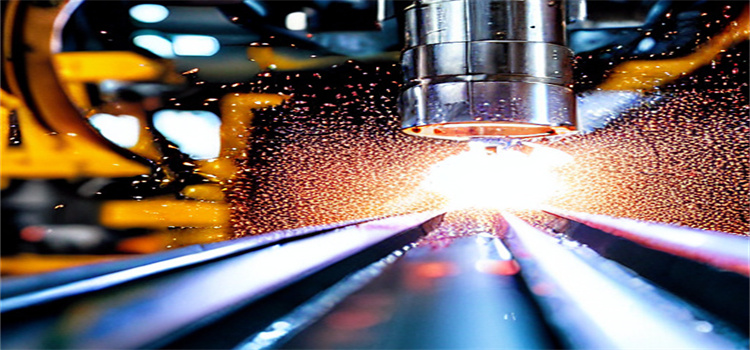
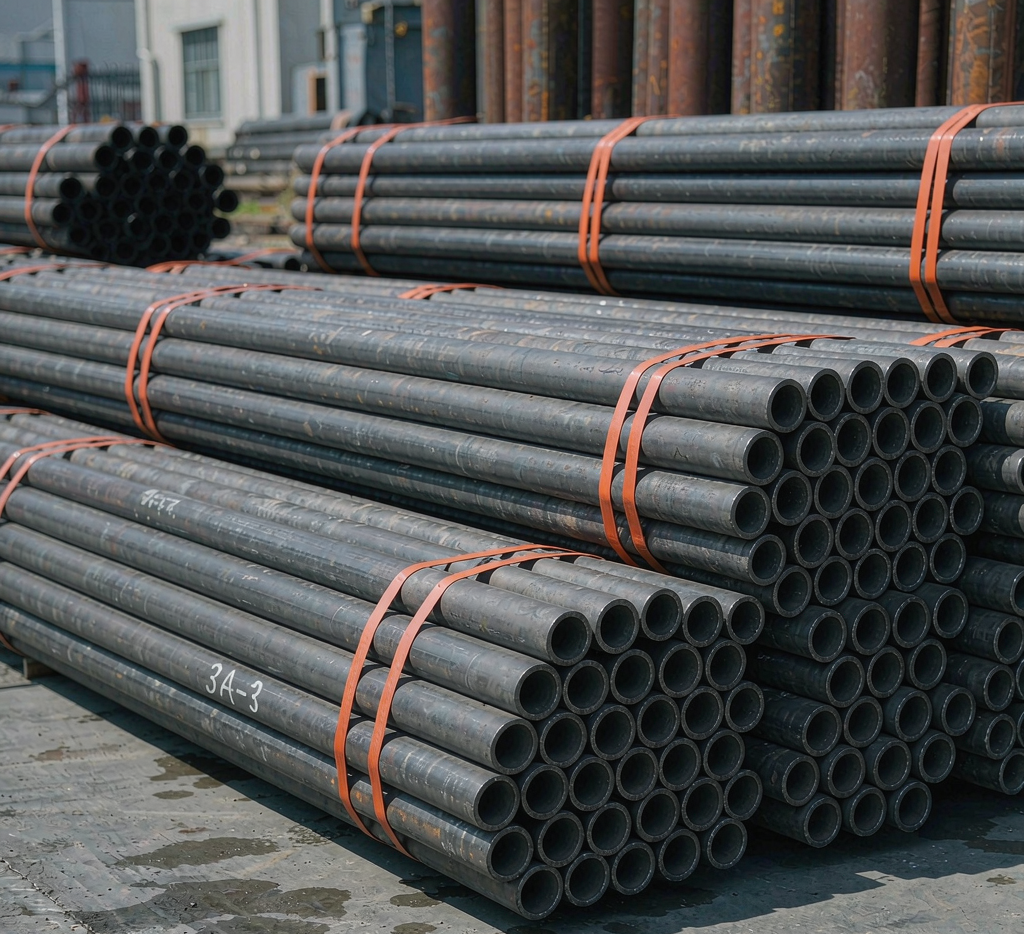
The reason A656 behaves the way it does is metallurgy. Ordinary high-strength carbon steel raises carbon to gain strength, but carbon makes steel hard, brittle, and hard to weld. HSLA keeps carbon low and instead uses microalloying plus controlled (often thermomechanical) rolling to refine the grain and precipitate strengthening particles. The result is a fine-grained steel that is strong and still ductile and weldable. For a fabricator this means you can lighten a part without switching to an exotic or unweldable material, and you can bend it on standard equipment with the right die radius and bend-angle planning.
6. Delivery Condition and Rolling
A656 is supplied hot-rolled, and the strength comes from the rolling and microalloying rather than from heat treatment, which keeps it economical. Some producers use thermomechanical controlled processing (TMCP) or normalized rolling to further refine properties, but the baseline is as-hot-rolled coil or plate. When you order, confirm the form (coil versus cut length), the thickness, and any flatness or surface requirement, and note that HSLA coils can have more residual stress and camber than mild steel, so leveling and forming allowances should be planned with the supplier.
7. Weldability and Fabrication
A656 welds well with conventional processes using low-hydrogen consumables matched to the grade. Its low carbon keeps hydrogen cracking risk modest, but its higher strength means preheat and interpass control matter more than on mild steel, and the consumable should be chosen so the weld metal matches or exceeds the base yield. Cold forming needs a generous bend radius – typically larger than for mild steel – to avoid cracking at the outer fiber, and springback is greater, so tooling should account for it. With those two cautions observed, A656 fabricates on standard equipment and rewards the effort with a lighter, stronger part.
8. Typical Applications
A656 Grade 50 is the lightweight structural base for mobile and industrial equipment wherever mass must come down without sacrificing strength.
- Truck frames, trailers, dump bodies, and chassis members.
- Crane booms, aerial platforms, and lifting equipment.
- Agricultural machinery frames and implements.
- Construction equipment booms, arms, and structural members.
- Rail cars and general lightweight fabricated structures.
9. A656 vs A572 vs A1011
Buyers often confuse HSLA grades. ASTM A572 is also a high-strength low-alloy structural steel with overlapping grades (42 to 65) and is the more common structural-section grade, while A656 is oriented to formable sheet and plate for vehicles and equipment. ASTM A1011 is a hot-rolled sheet specification that includes SS (structural) and HSLAS (high-strength low-alloy) subclasses, so an A1011 HSLAS coil can be functionally similar to A656 sheet. Choose A656 when formability plus strength in coil or plate is the priority, A572 when you are buying wide-flange or structural shapes, and confirm the exact subclass on the certificate.
| Standard | Use | Form |
|---|---|---|
| A656 | Formable HSLA sheet/plate | Coil, cut length |
| A572 | Structural shapes and plate | Wide-flange, plate |
| A1011 HSLAS | Hot-rolled HSLA sheet | Coil, sheet |
10. Certification and Inspection
A656 is normally supplied with a mill certificate documenting chemistry and mechanical properties (EN 10204 2.2 or 3.1, or the ASME-format MTR your code requires). For critical work insist on a 3.1 so you can verify per-heat values, and confirm yield, tensile, and elongation meet the ordered grade and thickness band. Arrange third-party inspection (SGS, BV, TUV) at the mill or before shipment for large or safety-related orders, and keep the certificate with the fabrication records for the life of the equipment.
11. Sourcing and Lead Time
A656 Grade 50 is a common HSLA grade stocked by many mills and service centers, but specific thicknesses, widths, and higher grades (60/70/80) may need mill lead time. Because it is widely used in transportation equipment, supply is generally good, and the main risk is specification discipline – make sure the certificate actually shows the A656 grade and the mechanical values, not just a generic HSLA description. Huaxia-Steel supplies A656 and comparable HSLA carbon steel with full mill certificates and supports cutting, forming guidance, and export packaging, with clear English communication from quotation to delivery and flexible Incoterms.
12. Forming and Bending Guidelines
Although A656 is far more formable than a carbon steel of equal strength, it still demands more bend care than mild steel. Use a bend radius of at least twice to three times the thickness for Grade 50, increasing for higher grades, and bend across the grain where practical to reduce edge cracking. Springback is greater than with mild steel, so tooling should overbend slightly or use bottoming dies to hold the angle. Pre-test bends on a sample piece before committing a production run, because the exact radius that cracks varies with thickness, temper, and rolling direction. Planning the bend radius and direction up front prevents the most common A656 fabrication failure, which is edge or corner cracking on a too-tight bend.
13. Cutting and Machining
A656 cuts and machines well with standard equipment, but its higher strength means more cutting force and faster tool wear than mild steel, so adjust feeds and speeds and keep tools sharp. For shear and laser cutting, normal parameters work; for heavy plate, plasma or oxy-fuel is common. Because the steel is stronger and springier, clamping and fixturing should be firmer to avoid movement, and drilled holes may need slightly lower feed to avoid work hardening at the edge. These are minor adjustments rather than special processes, and most fabrication shops handle A656 without difficulty once they treat it as a stronger, springier cousin of mild steel rather than an exotic material.
14. Stock Forms and Availability
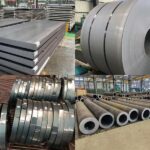
A656 Grade 50 is stocked by many mills and service centers as hot-rolled coil and cut plate in common thicknesses, but very thick plates and the higher grades (60, 70, 80) often need mill lead time. For buyers, the practical step is to confirm the exact thickness, width, and coil versus plate form before designing, because availability drives both cost and delivery. Service centers also offer leveling, cutting-to-length, and blanking, which can shorten your lead time versus ordering mill-direct coil. Huaxia-Steel supplies A656 and comparable HSLA grades with full mill certificates and can arrange cutting and leveling, so you receive material in the form your line needs rather than paying to process full coils.
15. Weight Savings Versus Mild Steel
The practical payoff of A656 Grade 50 is weight, and the saving is large enough to matter on mobile equipment. Compared with a mild steel such as A36 at 36 ksi yield, Grade 50’s roughly forty percent higher yield lets a designer lighten a section by a similar proportion for the same stress, which on a truck frame or trailer translates directly into higher payload, lower fuel use, and easier handling. The trade is a modest cost premium per tonne and slightly more careful forming and welding, which most equipment makers accept gladly because the payload and fuel benefits recur for the whole life of the machine. Run a simple weight comparison for your part at equal stress to see the saving, and weigh it against the small premium, because for weight-sensitive designs the case for HSLA is usually overwhelming.
16. Procurement Tips for HSLA Coil and Plate
When buying A656, buy to the certificate, not the description. Confirm the exact grade (50, 60, 70, or 80), the form (coil versus cut plate), the thickness and width tolerances, and the mechanical values, and ask for an EN 10204 3.1 so you can verify per heat. For coil, clarify the controlled rolling and any flatness or camber limits, because HSLA coil can carry more residual stress than mild steel. For plate, confirm whether it is as-rolled or normalized-rolled, since that affects properties and welding. Match the consumable and procedure to the grade before fabrication, and keep the certificate with the job record. Huaxia-Steel supplies A656 and comparable HSLA grades with full mill certificates and supports cutting and leveling, so you receive the form and the documentation your line and your QA team need.
17. Design Notes and Allowable Stress
When you design with A656 Grade 50, use the grade’s specified minimum yield in your allowable-stress or load-and-resistance-factor calculation, and remember that the benefit is a lighter section for the same stress rather than a license to overstress. Because HSLA is stronger and springier than mild steel, deflection rather than strength often becomes the controlling limit on long members, so check deflection as well as stress, and specify the right grade so you capture the weight saving without a flexible part that vibrates or rattles. Confirm the forming and welding allowances with your shop before finalizing the design, because a part that cannot be bent or welded as drawn wastes the material advantage. Used with those cautions, A656 lets you design lighter, stronger equipment that still fabricates on standard equipment and ships at a manageable cost.
18. Procurement Checklist
A short checklist keeps an A656 purchase clean and avoids the common mistakes.
- Confirm grade (50/60/70/80) and form (coil or plate).
- Specify thickness, width, and tolerance; ask for 3.1 certificate.
- Match consumable and WPS to grade before fabrication.
- Plan bend radius and springback for forming.
- Verify mechanical values on the certificate at receiving.
19. Final Sourcing Note
When you buy A656 Grade 50, treat the certificate as the product, because the strength and formability you are paying for are properties proven on that document, not visible on the bar. Confirm the grade, the mechanical values, and the form before the steel ships, align the welding procedure to the grade, and plan the forming radius so the part bends without cracking. Buy from a supplier who can show consistent HSLA certificates and who supports cutting and leveling, and you get a lighter, stronger part that still fabricates on standard equipment. Huaxia-Steel supplies A656 and comparable HSLA carbon steel with full mill certificates, forming guidance, and export packaging, with clear English communication from quotation to delivery and flexible Incoterms.
Frequently Asked Questions
What is ASTM A656 used for?
A656 is a high-strength low-alloy steel used for weight-sensitive fabricated equipment – truck frames, trailers, crane booms, agricultural machinery, and construction equipment – where you need high yield strength with good formability and weldability.
Is A656 the same as A572?
No, though both are HSLA. A656 is aimed at formable coil and plate for vehicles and equipment, while A572 is the common structural-shape and plate grade. A1011 HSLAS sheet can be functionally similar to A656 sheet; confirm the exact subclass on the certificate.
Can A656 be welded easily?
Yes, with low-hydrogen consumables matched to the grade and proper preheat and interpass control on thicker sections. Its low carbon keeps hydrogen-cracking risk modest, but the weld metal should match the base yield and the procedure should be qualified.
How does A656 get its strength?
Through microalloying (niobium, vanadium, titanium) and controlled hot rolling rather than high carbon. That keeps carbon low so the steel stays formable and weldable while reaching high yield – which is exactly why HSLA exists.
Need a reliable carbon steel partner? Huaxia-Steel supplies mill-direct carbon steel with full MTC, third-party inspection, and flexible Incoterms (FOB, CIF, CFR, EXW). Email our sales team at [email protected] for a quotation, or send your RFQ with grade, dimensions, quantity, and destination.