Bureau Veritas vs SGS vs Intertek Third-Party Inspection for Carbon Steel
Bureau Veritas vs SGS vs Intertek Third-Party Inspection for Carbon Steel
A 25,000-tonne mill order for ASTM A572 Gr.50 plate or API 5L X65 line pipe is too big to take on trust. Either the order arrives on spec – or it does not, and a year of project work depends on which. That is why the world’s largest steel buyers, EPC contractors, and government tenders bring in an independent third-party inspector before shipment leaves the mill.
Among the inspection companies working in the carbon steel market, three names come up most often: Bureau Veritas (BV), SGS, and Intertek. This guide compares the three on coverage, strengths, costs, and how each handles the typical carbon steel order.
1. Why Third-Party Inspection Matters
Mill test certificates are issued by the mill’s own quality department. An independent inspector adds three things the mill’s own paper cannot:
Independence: The inspector has no commercial interest in the mill’s order, so the certificate carries no conflict of interest.
Witnessing of tests: The inspector witnesses the sampling, tensile, Charpy, and dimensional checks; the resulting certificate is EN 10204 3.2, not just 3.1.
Pre-shipment release: The inspector holds the shipment release, so the buyer’s goods leave the mill only when the inspector signs off.
For carbon steel, this is the system that prevents surface defects, off-spec chemistry, and length-of-coil discrepancies from reaching the project site.
2. Bureau Veritas (BV)
Bureau Veritas is a France-based testing, inspection, and certification (TIC) company founded in 1828. It is a global leader in marine and offshore certification, with strong roots in commodity trade inspection.
Headquarters: Neuilly-sur-Seine, France
Founded: 1828
Revenue 2024: Around EUR 5.7 billion
Coverage: 140+ countries
Strengths: Marine class certification, offshore structural inspection, sour-service pipelines, government-tender projects in Africa and Middle East, mineral and metals trade inspection in Shanghai, Singapore, and London.
Typical daily rate in China: USD 450-700 per inspector-day, depending on location and scope.
Best fit for: Offshore jacket leg joints, marine class plate and sections, large-diameter line pipe for offshore, refinery pressure vessel plate, and buyers in EMEA markets.
3. SGS
SGS (Societe Generale de Surveillance) is the world’s largest TIC company by revenue, founded in 1878 and headquartered in Geneva. SGS is the default independent inspector in commodity trade and has the deepest network in Asia.
Headquarters: Geneva, Switzerland
Founded: 1878
Revenue 2024: Around CHF 6.8 billion
Coverage: 115+ countries, 2,500+ offices and laboratories
Strengths: Largest presence in mainland China, fast mobilization, broad scope of testing services, default for Chinese mill exports to Europe, Middle East, and Americas, accepted by all marine class societies and most government tenders.
Typical daily rate in China: USD 350-650 per inspector-day.
Best fit for: General carbon steel plate, sections, pipe, and bar orders; standard structural and pressure vessel plate; projects needing fast mobilization; buyers without existing TIC partner.
4. Intertek
Intertek is a UK-based TIC company with a strong North American presence and growing coverage in Asia. The company is well-known for quality assurance in consumer goods, but the metals and minerals division is a credible competitor in carbon steel inspection.
Headquarters: London, United Kingdom
Founded:1885 (as a calibration laboratory)
Revenue 2024: Around GBP 3.4 billion
Coverage: 100+ countries
Strengths: Strong North American client base, deep laboratory network for chemistry and failure analysis, expertise in ASTM standards, well-regarded on US-funded projects, fast mobilization in Texas, Houston, and Appalachian shale regions.
Typical daily rate in China: USD 400-700 per inspector-day, with higher cost in remote mills.
Best fit for: North American pipeline and oilfield projects, ASTM-grade steel for US fabricators, projects with US-funding requirements (DLA, USAID, EXIM Bank), refineries and LNG plants along the US Gulf Coast.
5. Other Inspection Companies Often Used in Steel Trade
TUV SUD and TUV Rheinland – German-led TIC companies with strong presence in Europe and emerging in China. Often chosen for German-speaking markets and pressure equipment under PED.
DNV – Norwegian marine class society with growing TIC business. Default for offshore wind and oil-and-gas pipeline projects.
Lloyds Register – UK marine class. Default for offshore and naval work, less common for general structural steel.
ABS – US marine class. Default for ship plate and offshore structures built to ABS rules.
CIQ (China Inspection and Quarantine) – Government-mandated inspection for some Chinese exports under specific treaties.
6. Side-by-Side Comparison
Attribute
Bureau Veritas (BV)
SGS
Intertek
Founded
1828 (France)
1878 (Switzerland)
1885 (UK)
Coverage
140+ countries
115+ countries
100+ countries
Strongest region
EMEA, offshore marine
Asia, Latin America
North America, US-funded projects
Daily rate in China (USD)
450-700
350-650
400-700
Mobilization time
5-10 days
3-7 days
5-10 days
Default for
Marine class, EMEA EPC, refineries
General carbon steel, Chinese exports
North American EPC, ASTM projects
Special strengths
Marine class, sour-service pipelines
Largest China network, fast response
ASTM expertise, US-funded projects
Weakness
Slightly higher cost, slower mobilization in inland China
Crowded – seen as “default” by some buyers
Lower density outside US/Canada
7. Typical Inspection Workflow for Carbon Steel
Pre-inspection meeting: Inspector discusses the order, drawing, and test scope with the mill’s quality team. Confirms the standards, test batches, and supplementary requirements.
Document review: Inspector reviews the mill’s quality plan, heat-treatment procedure, and welding procedure (if applicable).
Production monitoring: Inspector visits the mill during production to verify the heat numbers, witness the heat-treatment cycle, and confirm dimension checks.
Sample selection and testing: Inspector selects samples for tensile, Charpy, chemistry, and dimensional tests. Tests are usually done by the mill’s lab with the inspector witnessing.
Pre-shipment inspection: Inspector walks the finished stock, checks marking, packaging, and loading into containers or holds.
Issuance of certificate: Inspector signs the EN 10204 3.2 certificate and issues a release note for the buyer.
8. Inspection Cost Comparison in 2026
For a typical 500-tonne carbon steel plate order on a Chinese mill, the all-in cost of independent inspection in mid-2026 is approximately:
Bureau Veritas: USD 6,500-12,000 (mobilization 2-3 days, 5-7 days on site).
SGS: USD 5,500-10,500 (3-5 days on site, fastest mobilization).
Intertek: USD 7,000-13,000 (5-7 days on site).
Costs vary based on location, scope (basic visual + dimensional vs full mechanical witnessing), and supplementary tests (Charpy at -46 degrees C, drop-weight tear test, HIC).
9. How to Pick the Right Inspector
Choose SGS when the buyer is in Asia, Latin America, or Europe; no specific end-user or contract requires another TIC brand; you want the fastest mobilization; the order is medium to large (over 200 tonnes).
Choose Bureau Veritas when the project is an offshore jacket, marine class ship, refinery pressure vessel under ASME Section VIII, or in EMEA; the buyer already has a BV framework agreement.
Choose Intertek when the buyer is in North America, the contract specifies ASTM standards or US-funded (DLA, USAID, EXIM Bank) sourcing, or the buyer’s quality manual references Intertek.
Choose TUV or DNV when the buyer specifies German or Norwegian standards, or the project is offshore wind or oil-and-gas pipeline in NW Europe.
10. Common Pitfalls to Avoid
Skipping the mobilization cost check: For small orders, mobilization can be USD 1,500-3,500 – a meaningful share of the inspection budget.
Forgetting scope: Specify whether the inspector must witness or simply audit the test. Witnessing costs more.
Late engagement: Calling the inspector at the last minute delays shipping. Engage them when the purchase order is cut.
Language mismatch: Confirm whether the inspector’s working language at the mill is English or Chinese; bring a translator if needed.
Ignoring sample retention: Specify whether the inspector retains a sample for the buyer or transfers all to the mill.
11. 2026 Trends in Steel Inspection
Digital reporting: Major TIC companies offer online portals where certificates, photos, and test reports are uploaded in real time. SGS, BV, and Intertek all have web-based client platforms.
Remote inspection: For repeat orders, some TIC companies offer video-witnessed inspection to reduce mobilization cost.
Dedicated low-carbon verification: All three companies now offer carbon-footprint verification per ISO 14064 or PAS 2050 for green steel contracts.
Cybersecurity audits: For digital twins and traceability platforms, TIC companies are extending cybersecurity verification alongside traditional quality inspection.
FAQ
Which is cheapest: BV, SGS, or Intertek?
SGS is usually the cheapest for China-based inspection of general carbon steel. Intertek is comparable in North America. BV sits slightly higher but is preferred for offshore and marine work.
Do I really need a third-party inspector?
For one-off orders under 50 tonnes from a new supplier, you can usually accept the mill’s EN 10204 3.1 certificate. For larger orders, code-stamped work, or new mills, an independent 3.2 certificate is the safest basis for the import.
Can I use one inspector for the whole order?
Yes, and that is the standard practice. One TIC company handles mobilization, sampling, and certification for the entire shipment.
Can the buyer be the inspector for EN 10204 3.2?
Yes. EN 10204 allows the buyer’s own representative to be the independent signatory for the 3.2 certificate, provided they are independent of the mill’s manufacturing function.
Who handles the cost of failed tests?
If the mill’s process is at fault, the mill pays for the retest. If the test scope is unusual or added by the buyer, the buyer pays. Clarify this in the contract.
Conclusion
Bureau Veritas, SGS, and Intertek are the three most common third-party inspectors for carbon steel. SGS is the default in Asia and offers the fastest mobilization. Bureau Veritas dominates offshore and marine work. Intertek leads in North America and US-funded projects. Pick the inspector that matches the buyer’s geography and the project’s standards – and engage them at the time the purchase order is issued, not at the shipping deadline.
Sourcing carbon steel with independent inspection from China? Huaxia-Steel can arrange EN 10204 3.2 certification through SGS, Bureau Veritas, Intertek, TUV, DNV, ABS, or Lloyds – whichever your project requires. Send the order quantity, standard, grade, and the buyer-side TIC brand you prefer, and our team will deliver a fully-loaded offer within two working days.
Related Images
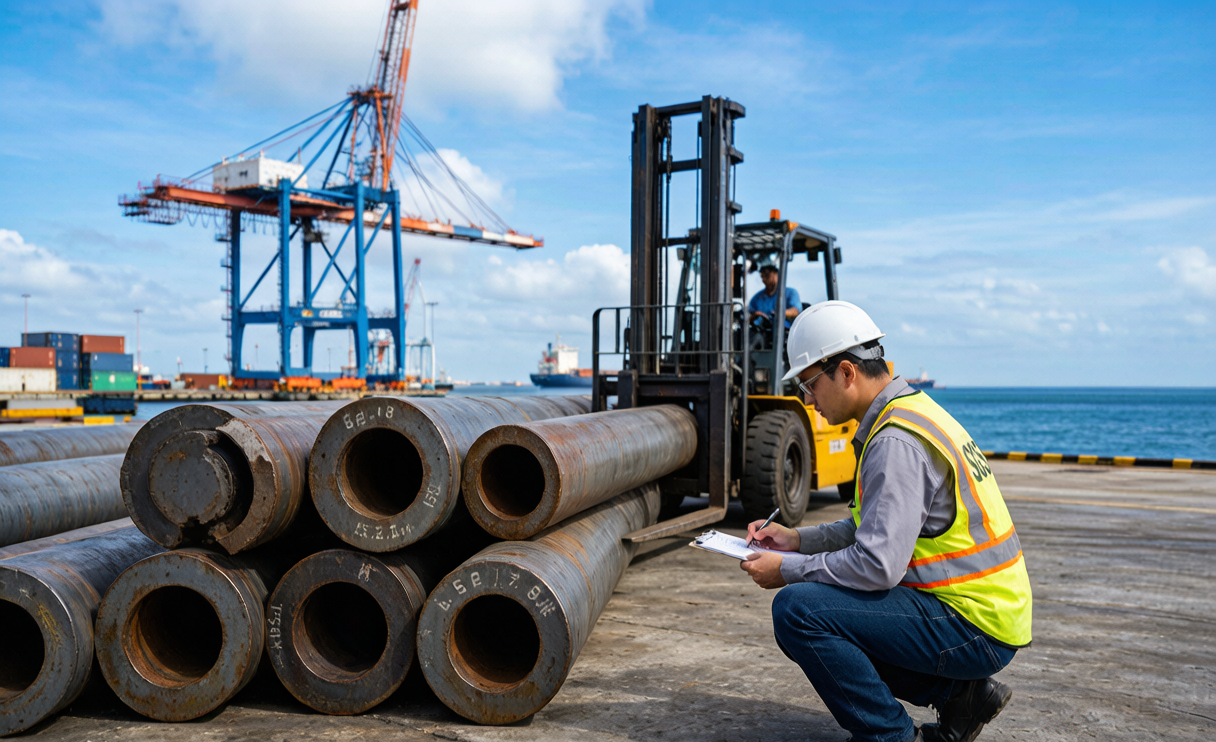
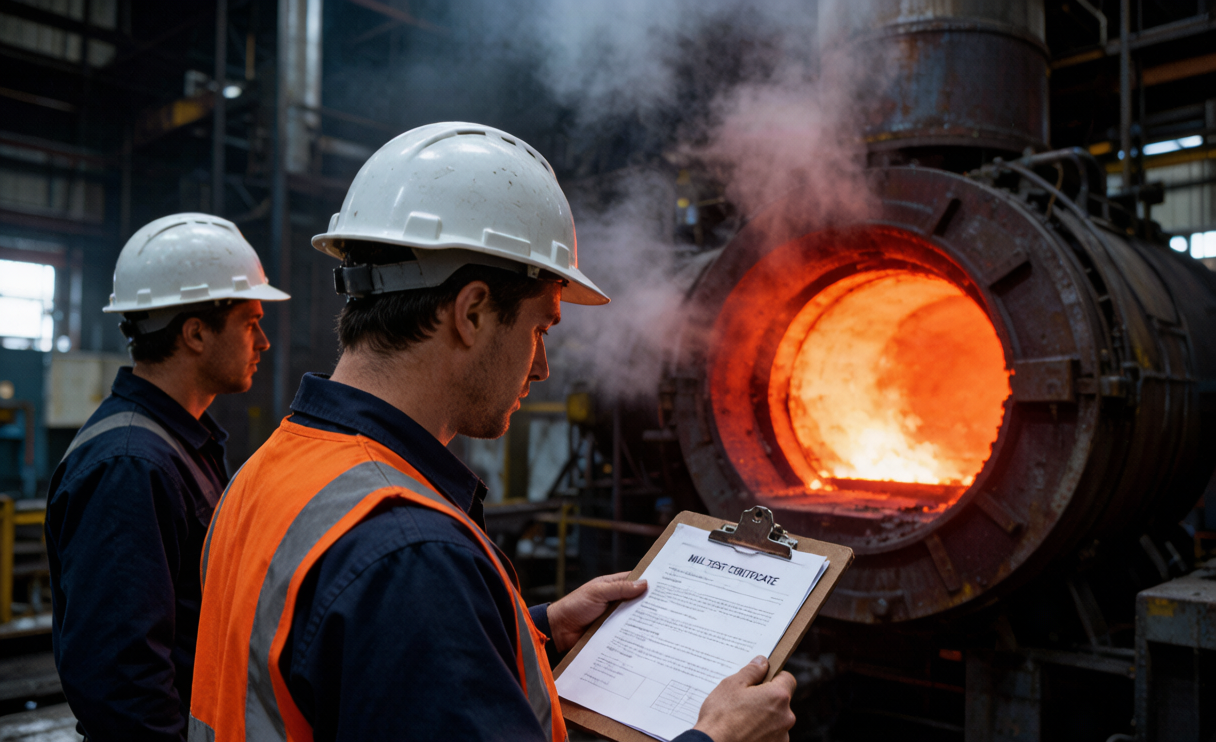
Figure 2: Bureau Veritas vs SGS vs Intertek Third-Party Inspection for Carbon SteelFigure 3: Bureau Veritas vs SGS vs Intertek Third-Party Inspection for Carbon Steel
If you require further information about our metal sheet products or architectural projects, please don’t hesitate to leave your contact details and message here.
Our team of experts will respond within 24 hours to continue the discussion and provide you with any additional information you requires.