Pipe Bend Carbon Steel — Factory Direct Supplier | Huaxia-Steel
Pipe Bend Carbon Steel — Factory Direct Supplier | Huaxia-Steel
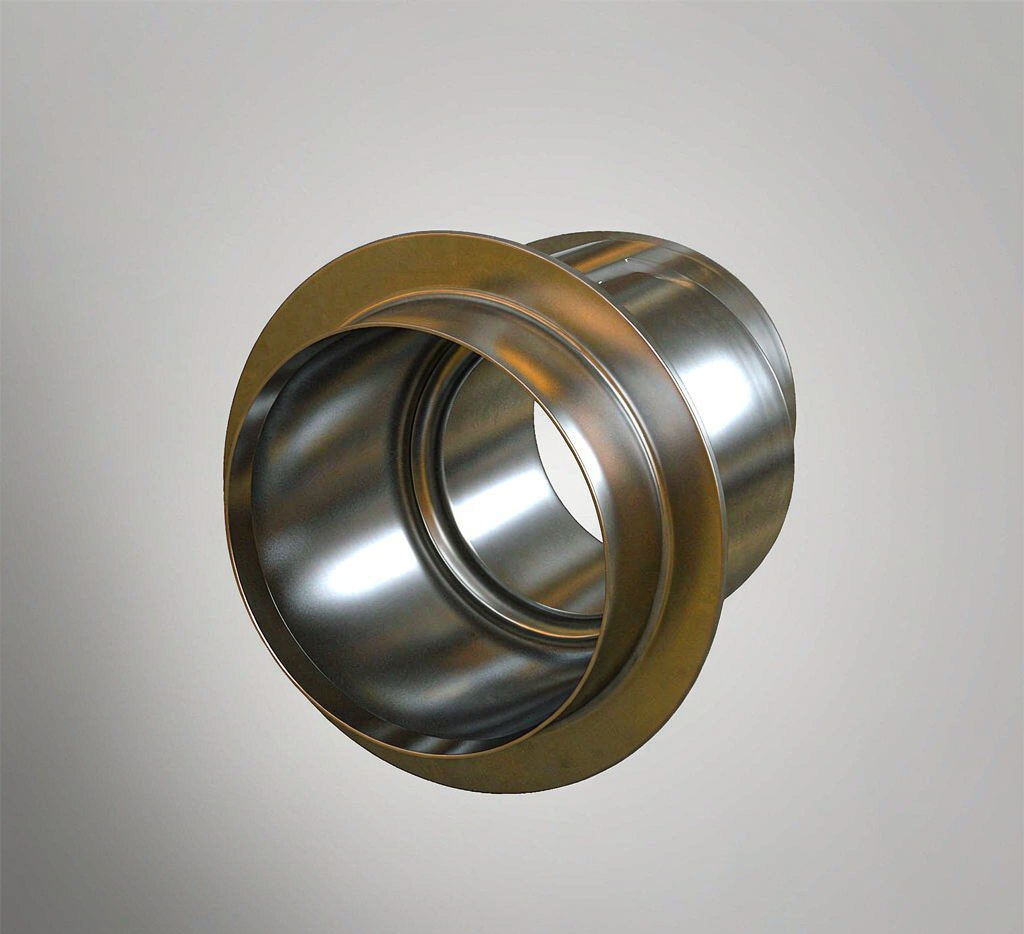
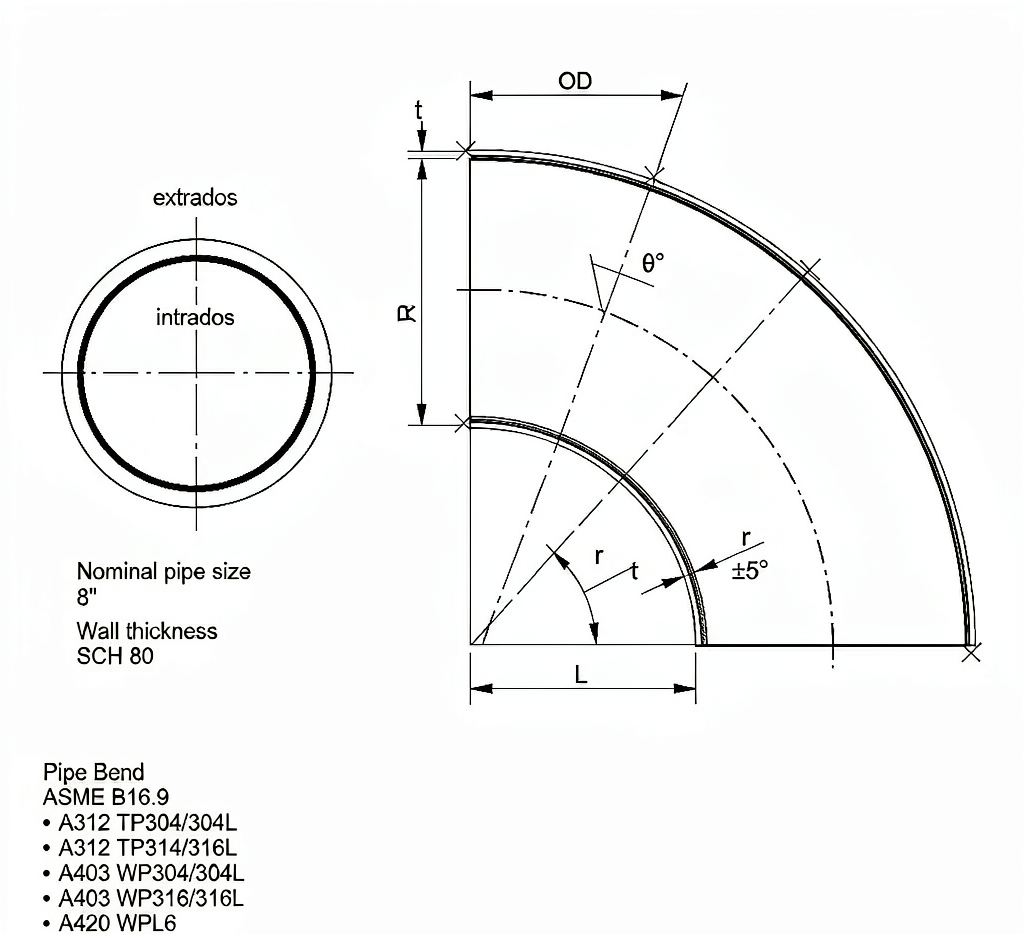
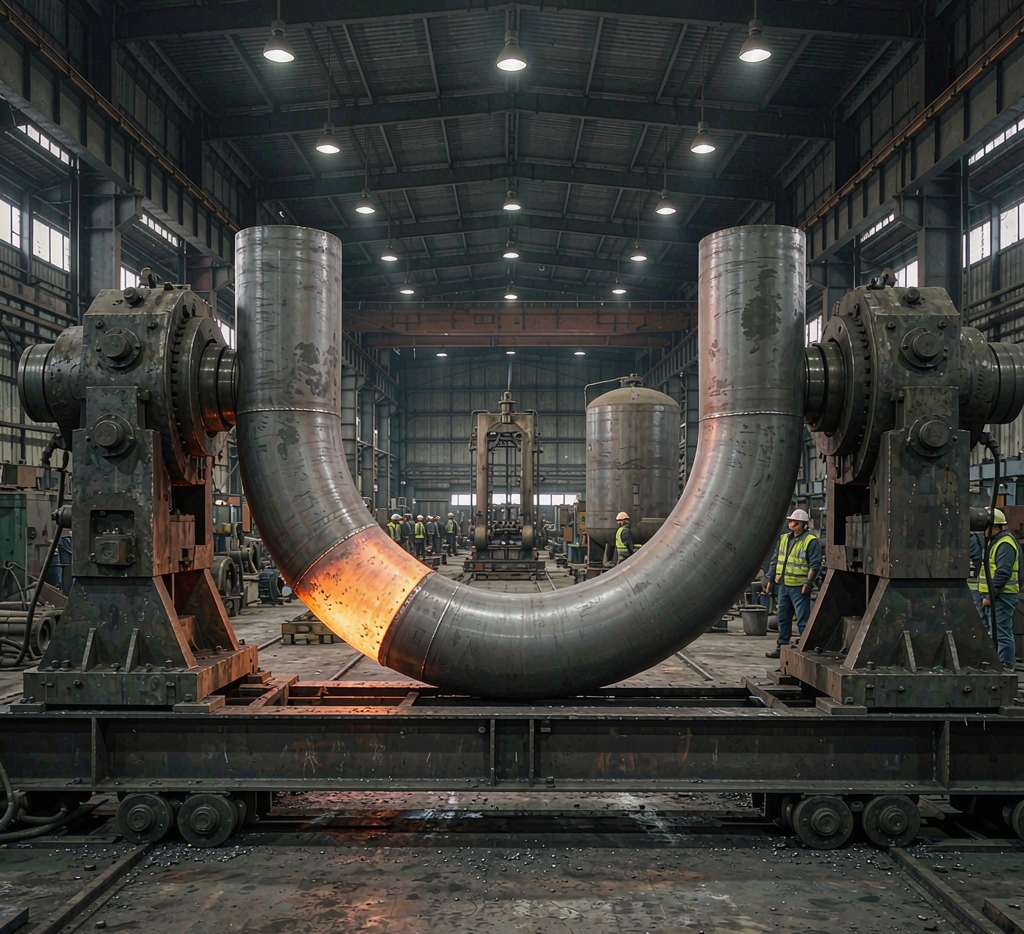
A pipe bend is a curved pipe section that changes the direction of a piping run. Unlike a standard elbow fitting (which has a fixed radius of 1D or 1.5D and a specific angle), a pipe bend is custom-formed to any radius (typically 3D to 10D) and any angle (1° to 180°). Pipe bends are used in long-distance pipelines, refinery piping and power plant systems where smooth flow transitions, reduced pressure drop and lower stress concentration are required. Huaxia-Steel produces carbon steel pipe bends by induction bending, hot bending and cold bending.
Product Specifications
Parameter
Specification
Standard
ASME B16.9, ASME B31.3, MSS SP-75, DIN 2605
Material
ASTM A234 WPB, A53, A106 Gr. B
Size range
2″ to 48″ (DN50 to DN1200)
Bend radius
3D, 5D, 7D, 10D or custom (D = nominal pipe size)
Bend angle
1° to 180° (common: 30°, 45°, 90°)
Wall thickness
SCH 10 to XXS (as per parent pipe)
Manufacturing method
Induction bending, hot bending, or cold bending
End type
Bevelled (butt-weld) or plain end
Available Grades
Grade
Standard
Service
ASTM A234 WPB
ASME
Carbon steel butt-weld bends for general piping
ASTM A53 Gr. B
ASME
Seamless/welded pipe bends for mechanical & pressure
ASME B31.3 / B31.4 / B31.1 — Piping codes governing bend design, wall thinning and installation.
MSS SP-75 — Specification for high-test wrought butt-welding fittings.
DIN 2605 — German standard for butt-welding steel bends.
ASTM A234 — Standard for butt-welding fittings of carbon and alloy steel.
Bending Methods Comparison
Method
Radius
Wall Thinning
Ovality
Best For
Induction bending
3D – 10D
5 – 10% (controlled)
< 3%
Large diameters, tight tolerances
Hot bending (rotary draw)
5D – 20D
10 – 15%
< 5%
Medium to large pipe, custom angles
Cold bending (rotary draw)
5D – 20D
5 – 10%
< 5%
Small to medium pipe, thin wall
Applications
Oil and gas pipelines — long-radius bends reduce pressure drop and erosion in transmission lines.
Refinery and petrochemical piping — smooth flow transitions minimise turbulence at direction changes.
Power plant piping — steam and feedwater lines use induction bends for stress distribution.
Subsea and offshore pipelines
Large-radius bends for flowline and riser transitions.
Water and wastewater mains
Large-diameter bends in treatment plant piping.
Quality Assurance
Wall thickness measurement at intrados and extrados after bending; thinning must not exceed code limit (typically ≤ 12.5% of nominal).
Ovality check: difference between max and min OD at bend must be within code tolerance (typically ≤ 5% for B16.9).
PMI (Positive Material Identification) to verify grade after bending.
Hydrostatic testing of bends to 1.5 × design pressure on request.
EN 10204 3.1 / 3.2 MTC for both parent pipe and finished bend.
Optional NACE MR0175 compliance for sour service applications.
Packaging and Shipping
Bends packed on steel cradles or wooden supports shaped to the bend profile.
Ends protected with plastic caps; bevel faces covered with bevel protectors.
Rust-preventive oil applied to external and internal surfaces.
Each bend marked with size, schedule, grade, radius, angle and heat number.
Container or breakbulk loading depending on bend radius and quantity.
Get a Quote on Pipe Bends
Huaxia-Steel manufactures carbon steel pipe bends by induction, hot and cold bending in sizes 2″ to 48″ with radii from 3D to 10D and angles up to 180°. We supply A234 WPB, A106 Gr. B, API 5L and A420 WPL6 grades with full EN 10204 3.1 / 3.2 MTC. Custom wall-thinning calculations and stress reports are available. Contact us for a factory-direct quote.
If you require further information about our metal sheet products or architectural projects, please don’t hesitate to leave your contact details and message here.
Our team of experts will respond within 24 hours to continue the discussion and provide you with any additional information you requires.