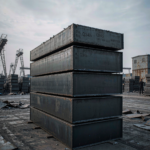
Q345B carbon steel plate is China’s most widely exported high-strength low-alloy (HSLA) structural steel under GB/T 1591, with a minimum yield strength of 345 MPa — roughly 30–60 % stronger than Q235/A36 mild steel at similar weldability. Internationally it corresponds to S355JR (EN 10025-2) and ASTM A572 Grade 50, making it the standard plate for construction machinery, steel structures, bridges and heavy trailers where weight reduction matters. Huaxia-Steel supplies Q345B plate from 5 mm to 300 mm thick in mill, normalized and Z15–Z35 through-thickness grades with EN 10204 3.1 certification.
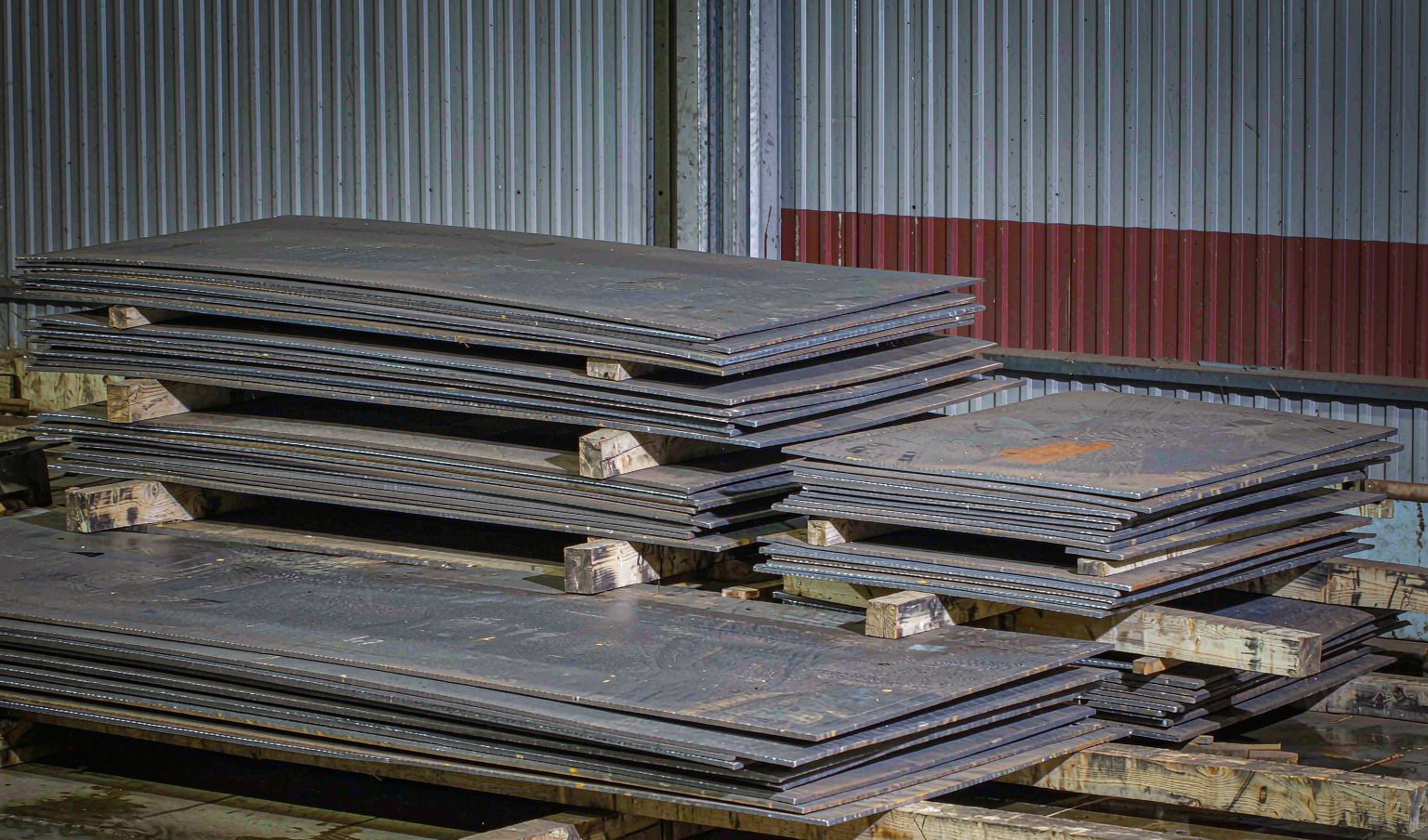
Product Overview
Q345B belongs to the GB/T 1591 low-alloy high-strength structural steel family. The designation means: Q = yield strength, 345 = 345 MPa minimum yield, B = 20 °C impact test class. The steel is made with microalloying additions (Nb, V, Ti) that grain-refine the structure, delivering higher strength than plain carbon steel without raising carbon — which is why it welds almost as easily as mild steel. Since the 2019 revision of GB/T 1591, Q345 has been superseded by Q355 (aligned with S355 chemistry), but Q345B remains the designation used on most export orders and existing project drawings; both are produced and both are available.
Specifications and Dimensions
| Item | Specification |
|---|---|
| Standard | GB/T 1591 (Q345B; Q355B to current edition) |
| Thickness | 5 – 300 mm (cut-to-size up to 400 mm) |
| Width | 1,500 – 4,200 mm |
| Length | 3,000 – 18,000 mm, cut to length |
| Condition | As-rolled, normalized, normalized + tempered, TMCP (thick plate) |
| Tolerance | GB/T 709; EN 10029 / ASTM A6 by agreement |
| Surface | As-rolled, shot blasted Sa2.5, primer 15–25 µm |
| Z-quality | Z15 / Z25 / Z35 through-thickness on request |
Chemical Composition
| Element | Q345B (t ≤ 16 mm) % |
|---|---|
| Carbon (C) max | 0.20 |
| Manganese (Mn) | 0.90 – 1.60 |
| Silicon (Si) max | 0.50 |
| P / S max | 0.035 / 0.035 |
| Nb / V / Ti | microalloyed, per mill practice |
Mechanical Properties
| Property | t ≤ 16 mm | 16 < t ≤ 40 mm | 40 < t ≤ 63 mm | 63 < t ≤ 100 mm |
|---|---|---|---|---|
| Yield strength min | 345 MPa | 335 MPa | 325 MPa | 315 MPa |
| Tensile strength | 470 – 630 MPa | 470 – 630 MPa | 470 – 630 MPa | 470 – 630 MPa |
| Elongation min | 20 % | 20 % | 19 % | 19 % |
| Impact test temp (B class) | +20 °C, ≥ 34 J (C/D/E classes go to 0 / −20 / −40 °C) | |||
Equivalent Grades
| China GB/T 1591 | Europe EN 10025-2 | USA ASTM | Japan JIS | Germany W-Nr |
|---|---|---|---|---|
| Q345B / Q355B | S355JR | A572 Gr 50 | SM490B | 1.0045 (S355JR) |
| Q345C | S355J0 | A572 Gr 50 | SM490C | 1.0553 |
| Q345D | S355J2 | A572 Gr 50 (+CVN) | SM490YA | 1.0577 |
Equivalents are near-equivalents: A572 Gr 50 has no B-class +20 °C requirement by default, and S355JR impact testing is at +20 °C like Q345B. Confirm the governing standard with the engineering office before substitution, especially for CE-marked structures where EN 10025 applies.
Applicable Standards
- GB/T 1591: chemical composition and mechanical properties of HSLA structural steels.
- GB/T 709: dimensions, shape, weight and tolerances of hot rolled plates.
- GB/T 2975 / 228 / 229: sampling and mechanical test methods (tensile, impact).
- EN 10025-2 / ASTM A6: when cross-certified to S355JR / A572 Gr 50.
- GB 50205: acceptance code for welded steel structure fabrication using this plate.
Typical Applications
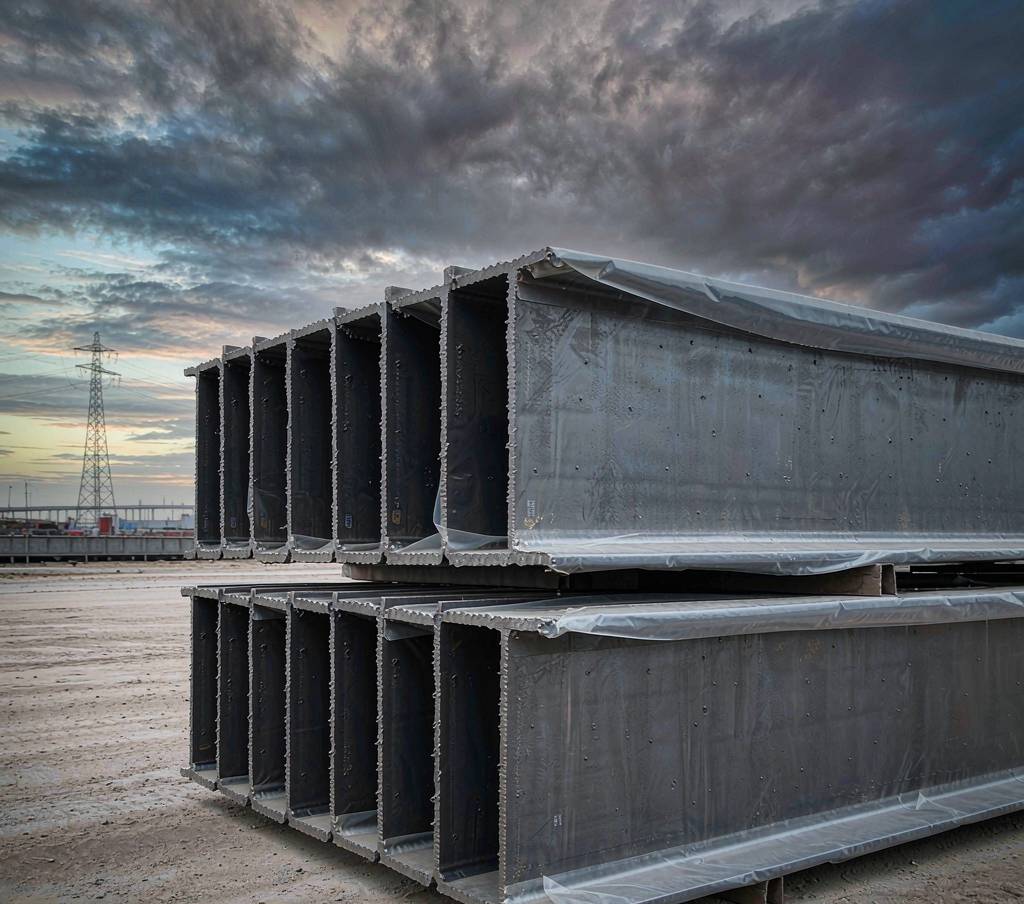
- Construction machinery: crane booms, excavator frames, dump truck bodies.
- Steel structure buildings, warehouses and transmission towers.
- Bridges and highway components.
- Heavy trailers, lowbeds and vehicle frames.
- Ship structures and offshore modules (with class approval).
- Boiler and pressure equipment supports; wind tower internals.
Quality Assurance
Each plate is traceable to its heat. Standard tests: chemical analysis, tensile test, Charpy V-notch at +20 °C (B class), bend test where applicable, and dimensional/surface inspection. Options: 100 % ultrasonic testing to GB/T 2970 or EN 10160, Z15/Z25/Z35 through-thickness ductility with witness testing, impact at 0/−20/−40 °C (C/D/E classes), and third-party inspection by SGS, TÜV or BV. EN 10204 3.1 certificates supplied with every shipment; 3.2 available.
Packing and Shipping
Plates ship on timber saddles with steel strapping, edge protectors and grade/heat stenciling on each plate. Cut-to-size pieces are packed on pallets; container loads are limited to lengths under 5.8 m with weight per the destination road limit. Each shipment includes packing list with bundle weights and the full certificate package.
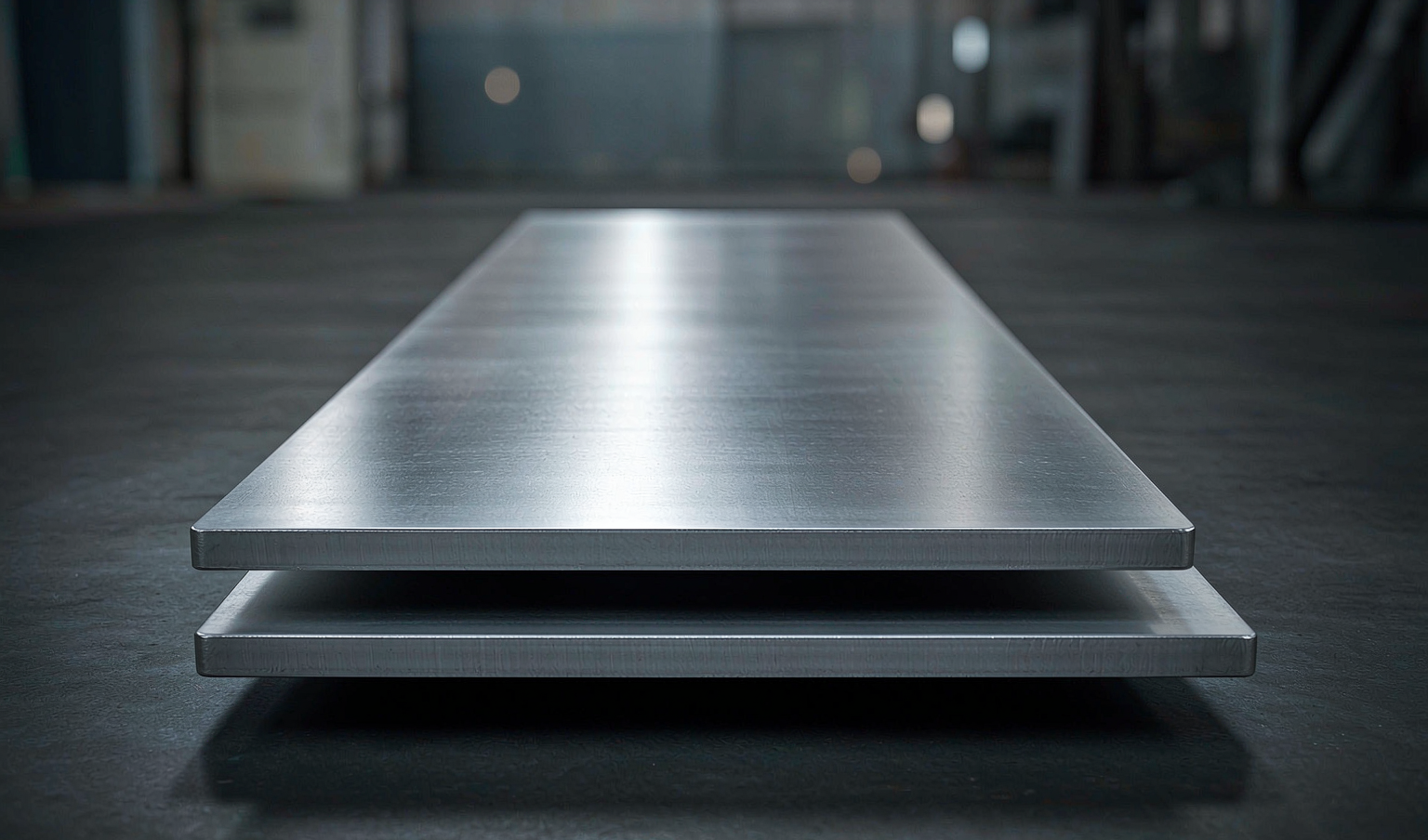
Plate Weight Reference
| Thickness mm | Weight kg/m² | 6 × 2 m plate kg | 12 × 2.5 m plate kg |
|---|---|---|---|
| 6 | 47.1 | 565 | 1,413 |
| 10 | 78.5 | 942 | 2,355 |
| 16 | 125.6 | 1,507 | 3,768 |
| 25 | 196.3 | 2,355 | 5,889 |
| 40 | 314.0 | 3,768 | 9,420 |
| 60 | 471.0 | 5,652 | 14,130 |
| 100 | 785.0 | 9,420 | 23,550 |
Weights are theoretical at 7.85 g/cm³; mill invoices use weighed weight with ±0.3–0.6 % tolerance per GB/T 709. Container loading is limited to plates under 5.8 m long and to the destination road weight limit — typically 22–25 t of plate per 40 ft container.
Fabrication Notes for Q345B
Q345B welds with standard low-hydrogen consumables (E5018 / ER50-6 class, matching 490 MPa tensile class) without preheat up to about 20 mm thickness in mild conditions; thicker sections or cold workshops need 80–120 °C preheat. The plate cuts cleanly by laser, plasma and flame; flame cutting of sections above 50 mm benefits from slow cooling or preheat to avoid edge cracking in the HAZ. Cold forming below 5 % strain is acceptable as-rolled; heavier cold forming or any direction change in the rolling plane calls for normalizing. Note the yield strength de-rating with thickness in the table above — designs quoted at 345 MPa apply only to material up to 16 mm.
How to Order
Provide: thickness, width and length (mill edges or cut-to-size with tolerance), quantity, delivery condition (as-rolled / normalized / TMCP), impact class (B standard; C/D/E for lower temperatures), surface treatment (as-rolled, shot blasted Sa2.5, primer), Z-grade requirement if any, certificate level, and destination port. For project orders, send the material specification page and we will confirm equivalence and testing scope before quotation.
Frequently Asked Questions
Is Q345B the same as Q355B?
Q355B is the 2019-update designation with chemistry aligned to EN S355 (tighter P/S, added Ceq limits). Mechanical properties are effectively identical. Existing drawings citing Q345B can be executed in Q355B with engineer approval; we produce and certify both.
Can Q345B be used instead of A572 Grade 50?
For most structural applications yes — strength levels match. A572 has no impact test requirement equivalent to Q345B’s +20 °C CVN, and ASTM-designed connections should be checked against GB chemistry differences. For US-spec projects, order A572 Gr 50 directly; we supply both.
What Z-grade plate do I need for welded T-joints?
Heavy welded joints with through-thickness stress (thick T-joints, node welds) need Z15 as a baseline, Z25 for restrained joints, and Z35 for critical connections per design code. The Z grade adds through-thickness tensile testing with reduction-of-area requirements — specify it at order stage since it requires dedicated plate testing.
Documentation Package With Every Shipment
Standard documentation: EN 10204 3.1 mill certificates per heat with chemistry, tensile and Charpy results; plate-by-plate stenciling matched to heat numbers; dimensional and flatness reports per GB/T 709; UT reports where ordered; the packing list with weighed bundle data for VGM; and loading photos for claim protection. Project orders receive the full test plan and witness-hold points agreed with the third-party inspector before production starts, so destination approval runs without surprises.
Request a Quote
Send us your thickness, width, length and quantity — Huaxia-Steel responds with a factory-direct quotation, mill certificates and delivery schedule within 24 hours. Q355B/C/D, Z-grade and shot-blasted primer-coated options available from the same production line.