Scaffolding couplers are the clamped joints that turn loose steel scaffold tubes into a rigid, load-bearing structure. A single tower can use several hundred couplers, and every one of them is a safety-critical component — which is why European law requires couplers to EN 74-1 and why buying certified, batch-tested couplers from a verified factory matters more than a few cents per piece. Huaxia-Steel exports drop-forged and pressed scaffolding couplers — right angle, swivel, putlog, sleeve and beam clamps — in 48.3 mm tube size, zinc coated, with EN 74-1 Class A/B test reports.
Product Overview
A scaffolding coupler is a two-piece clamp (or one-piece pressed body) with a T-bolt and nut that grips two scaffold tubes of 48.3 mm OD (the international standard; 60.3 mm available for some markets). Cast or pressed carbon steel bodies, galvanized for corrosion protection, with drop-forged T-bolts of grade 4.8–8.8. The two principal families:
- Drop forged couplers — cast steel bodies, highest strength and durability; required for ledgers and load-bearing right-angle joints in most EU specifications.
- Pressed (stamped) couplers — formed from 3–4 mm steel sheet; lighter and cheaper, widely used for swivel and bracing joints where loads are moderate.
Types and Load Requirements (EN 74-1)
| Type | Function | Class A slip / failure | Class B slip / failure |
|---|---|---|---|
| Right angle (double) coupler | Joins ledgers to standards at 90° | Slip ≤ 10 kN load; failure ≥ 18 kN | Tighter limits, higher test loads |
| Swivel coupler | Any-angle bracing joints | Slip ≤ 10 kN; failure ≥ 18 kN | Higher |
| Putlog (single) coupler | Transverse to standard, putlog ends | Failure ≥ 10 kN | Higher |
| Sleeve coupler (external) | End-to-end tube joint | Failure ≥ 20 kN | Higher |
| Beam coupler (girder clamp) | Tube to steel beam | Slip ≤ 30 kN; failure ≥ 40 kN | Higher |
| Board retaining clip | Secures scaffold boards | Tension ≥ 1.2 kN | — |
EN 74-1 Class A is the baseline for construction scaffolding; Class B (higher strength, lower slip) is specified for heavy-duty and façade-access systems. Every coupler must also pass distortion, bending and tightening tests, and each batch carries the manufacturer’s mark with year of manufacture.
Materials and Manufacturing
- Body: cast carbon steel (forged couplers) or Q235/3–4 mm pressed sheet; yield ≥ 235 MPa.
- T-bolt: drop forged, property class 4.8 minimum (8.8 optional), thread M12; nut with flanged collar for spanner grip.
- Coating: hot dip or electro galvanized body and bolt; self-color black available on request for coated-tube systems.
- Process: casting/forging → machining of seat → assembly → galvanizing → batch testing per EN 74-1 → packing.
Applications
Couplers build independent scaffolds, facade access, shoring towers, event stages, formwork supports and temporary grandstands. Coupler systems are preferred where tube flexibility wins: irregular facades, curved structures and rental fleets where a few tube sizes plus couplers cover every configuration. Complement your order with scaffold tubes (EN 39), base jacks, steel boards and ladders from the same supply chain.
Quality Assurance
- EN 74-1 batch test reports: slip, distortion, bending and failure loads with pass criteria.
- Torque test: T-bolt tightened to 40–70 N·m per standard; nut must not strip.
- Galvanizing thickness check (≥ 55 μm hot dip) and salt-spray data on request.
- EN 10204 3.1 material certificates for body and bolt steel; third-party inspection (SGS/BV/TUV) supported — many EU rental companies require witnessed testing before shipment.
Packing and Shipping
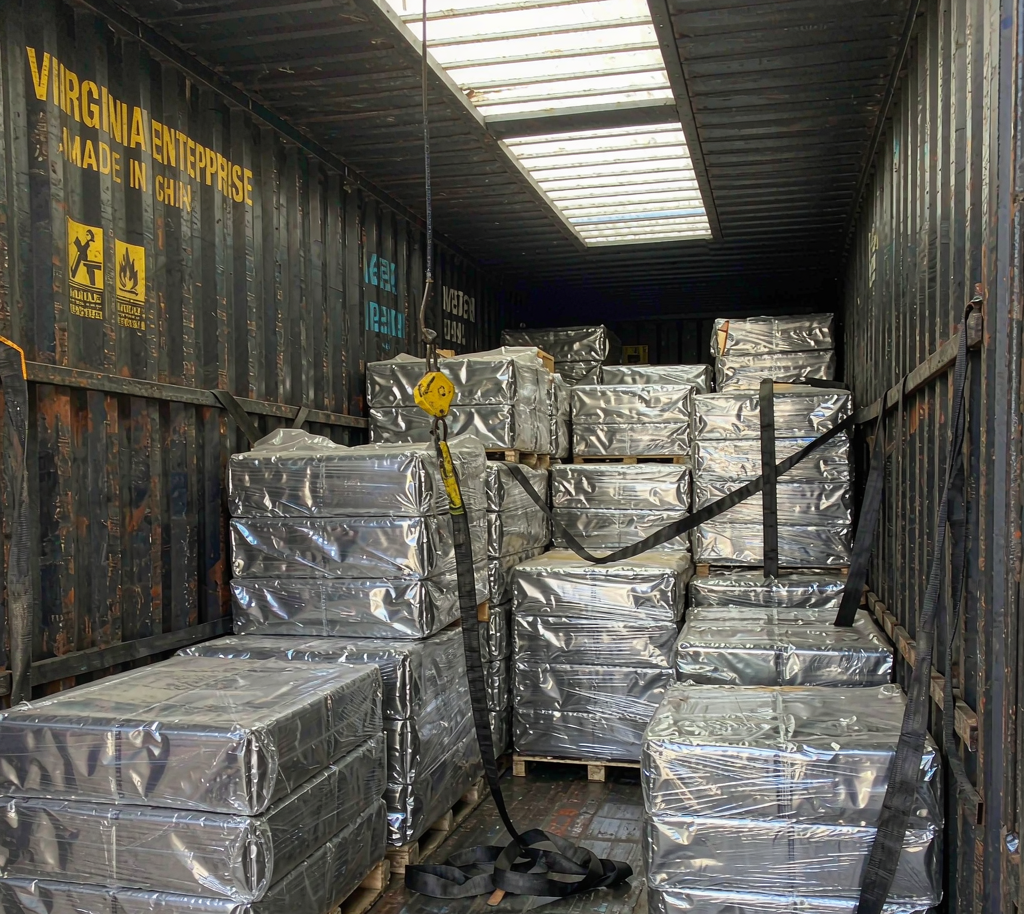
Couplers are packed 25–50 pieces per carton (10–12 kg), cartons palletized and stretch-wrapped; a 20 ft container loads about 20–22 tonnes of pressed couplers or 18–20 tonnes of forged. Cartons are labeled with type, class, quantity and batch for site traceability. Lead time: 10–20 days for standard types in container quantities; mixed-container orders combining tubes, planks and couplers are consolidated at one warehouse for single B/L shipping.
Drop Forged vs Pressed Couplers
| Item | Drop forged | Pressed (stamped) |
|---|---|---|
| Body material | Cast/forged carbon steel | 3–4 mm Q235 steel sheet |
| Unit weight (right angle) | 1.0–1.4 kg | 0.55–0.75 kg |
| Typical load class | Class B achievable | Class A typical |
| Service life | 10–15+ years in rental fleets | 5–8 years |
| Relative price | 1.6–2.0× | 1.0× (baseline) |
| Preferred for | Ledger/standard joints, heavy duty | Bracing, swivel, light access |
Rental fleets normally combine: forged right-angle couplers where the load path matters, pressed swivel couplers for diagonals and bracing. Buying a full container of forged when the system only needs Class A performance wastes freight and capital; going all-pressed on a heavy shoring job is a safety compromise no inspector will accept.
Installation, Torque and Site Inspection
- Tighten T-bolts to 40–70 N·m (EN 74-1 references 40 N·m minimum) with a scaffold spanner; never use impact drivers, which over-stretch threads.
- Keep couplers within 150 mm of tube intersections and check that tube ends sit flush inside the clamp body.
- Re-torque after the first load cycle and after any storm event; couplers loosen as tube surfaces seat.
- Inspect before each hire: cracked bodies, stripped threads, distorted clamps and missing nuts are all rejection criteria.
- Store dry and oiled; a seized nut costs the same in labour as a new coupler.
How Batch Testing Works Before Shipment
EN 74-1 requires type testing of each coupler design plus factory production control sampling. In practice, importers commission a lot test: 3–8 samples per type per production lot, mounted on certified 48.3 × 4.0 mm tube and pulled in a calibrated rig. Slip is measured at the standard slip load (no permanent movement beyond the limit), then the assembly is pulled to failure. Reports include the actual slip load and failure mode — a failed sample showing tube deformation rather than coupler fracture is the desired outcome, proving the clamp is stronger than the tube.
Frequently Asked Questions
Do you supply forged and pressed couplers in the same container?
Yes. Mixed containers are standard: forged right-angle couplers plus pressed swivels and putlogs on shared pallets, with separate batch labels so rental yard staff can sort them on arrival.
Are your couplers marked for EN 74-1 traceability?
Each body carries the manufacturer mark, coupler type and year of manufacture as required by EN 74-1, and cartons carry batch numbers matching the test report — the evidence rental fleets and EU inspectors ask for on site.
Can you supply beam clamps and board retaining clips too?
Yes — beam (girder) couplers to 30 kN slip load, board retaining clips, sleeve couplers and base plates are all in the standard supply range, allowing one PO for an entire scaffolding system.
Coupler Scaffolding vs System Scaffolding
| Item | Tube-and-coupler | Modular system (ringlock/cuplock) |
|---|---|---|
| Erection speed | Slower, labour intensive | Faster, standardized nodes |
| Flexibility | Very high — any geometry | Modular grid spacing |
| Mixed inventory reuse | Excellent — couples to any 48.3 mm tube | Brand-specific compatibility |
| Parts count | High (hundreds of loose couplers) | Low (wedges, ledgers integrated) |
| Cost profile | Lower capex, higher labour | Higher capex, lower labour |
Rental fleets keep coupler stock for retrofit, bracing and irregular geometry even when system scaffolds handle the standard runs — which is why couplers remain a steady, repeat-purchase export item rather than a declining product.
Ordering Checklist
- Coupler types and quantities (right angle, swivel, putlog, sleeve, beam, board clip).
- Load class: EN 74-1 Class A or Class B.
- Manufacture: drop forged or pressed, body thickness for pressed.
- Tube OD: 48.3 mm standard; 60.3 mm or other sizes on request.
- Bolt grade and thread (M12 standard) and nut type.
- Coating: electro or hot dip galvanized, self-color.
- Testing: EN 74-1 batch report, optional SGS/BV witness.
With these seven points fixed, pricing and container planning come back within one working day, and shipments can be consolidated with scaffold tube, base jacks and steel boards in a single 40 ft load.
Lifecycle Cost for Rental Fleets
Couplers look cheap per piece until you count the losses: a rental fleet typically loses 2–5% of loose couplers per hire cycle through site loss, seized threads and damage. Over five years that loss alone can exceed the original purchase price of the coupler stock. This is why fleet managers buy on three criteria rather than on unit price: forged bodies that survive repeated re-torque cycles, galvanizing thickness above 55 μm that prevents seizure, and consistent T-bolt/nut geometry so site crews can use one spanner size across the fleet.
Standardizing on one coupler geometry also reduces training and inspection time, and — the hidden saving — reduces the mixed-inventory problem where two similar-looking couplers with different load classes end up in the same bin.
Handling, Storage and End-of-Life Value
Store couplers in ventilated crates or stillages, oiled and dry; loose piles in a yard corner produce rust-seized nuts within one wet season. At end of life, couplers retain scrap value as clean carbon steel, but galvanized scrap must be sorted from black — a small operational detail that keeps your scrap rebate where it should be. We supply stillages and crate packing to match either manual yard handling or forklift-based depots, labelled by type and batch for fast stock counts.
Why Source Couplers Factory Direct
Couplers are bought by the container and re-ordered for years, which makes consistency the single most valuable attribute of a supplier. Ordering factory direct gives you the same forging dies, the same galvanizing line and the same T-bolt geometry on every shipment — so site crews keep using the same spanner, inspection records stay comparable year to year, and replacement stock drops into the same stillages. Our production partners maintain EN 74-1 type-test records on file and refresh batch reports per shipment, which is exactly the documentation rental fleets need for annual insurance and third-party audits.
Request an EN 74-1 Coupler Quote
Send your coupler type list (right angle / swivel / putlog / sleeve / beam), class requirement and quantity — Huaxia-Steel replies within 24 hours with certified pricing, sample test reports and container planning for your destination port.