FAQ
Q: Can SAE 1045 material be used interchangeably with C45?
A: In most structural applications, yes. However, verify that the manganese and sulfur ranges are acceptable for your specific welding or machining requirements. SAE 1045 allows higher manganese, which can affect weldability.
Q: Is CK45 always better than C45?
A: For applications requiring consistent heat treatment and surface quality, yes. For general use where standard C45 meets specifications, the cost premium may not be justified.
Q: What is the typical delivery condition for these grades?
A: Hot rolled (black surface) is most common. Cold drawn (bright) is available for smaller diameters requiring tighter tolerances. Annealed or normalized conditions are also available on request.
Q: Can Chinese mills provide EN 10204 3.1 certification?
A: Yes, most major Chinese mills are certified to issue EN 10204 Type 3.1 inspection certificates for C45 and CK45 grades. Always specify this requirement in your purchase order.
Get a Quote for SAE 1045 / C45 / CK45 Carbon Steel
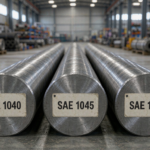
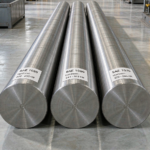
Huaxia-Steel maintains extensive stock of SAE 1045, C45, and CK45 carbon steel in round bars, flat bars, and plates. We can provide material certified to ASTM, EN, or DIN standards with full MTC documentation. Contact our team for a competitive factory-direct quotation with your specifications.
- Choose SAE 1045 for North American projects, general structural components, shafts, and applications where ASTM certification is required.
- Choose C45 for European projects, standard mechanical components, forgings, and when EN 10083 certification is needed.
- Choose CK45 for high-reliability components, precision shafts, gears, and applications requiring consistent heat treatment response with minimal distortion.
FAQ
Q: Can SAE 1045 material be used interchangeably with C45?
A: In most structural applications, yes. However, verify that the manganese and sulfur ranges are acceptable for your specific welding or machining requirements. SAE 1045 allows higher manganese, which can affect weldability.
Q: Is CK45 always better than C45?
A: For applications requiring consistent heat treatment and surface quality, yes. For general use where standard C45 meets specifications, the cost premium may not be justified.
Q: What is the typical delivery condition for these grades?
A: Hot rolled (black surface) is most common. Cold drawn (bright) is available for smaller diameters requiring tighter tolerances. Annealed or normalized conditions are also available on request.
Q: Can Chinese mills provide EN 10204 3.1 certification?
A: Yes, most major Chinese mills are certified to issue EN 10204 Type 3.1 inspection certificates for C45 and CK45 grades. Always specify this requirement in your purchase order.
Get a Quote for SAE 1045 / C45 / CK45 Carbon Steel
Huaxia-Steel maintains extensive stock of SAE 1045, C45, and CK45 carbon steel in round bars, flat bars, and plates. We can provide material certified to ASTM, EN, or DIN standards with full MTC documentation. Contact our team for a competitive factory-direct quotation with your specifications.
In terms of machinability, SAE 1045 with its higher manganese content is slightly more machinable in the as-rolled condition, rating approximately 60% compared to AISI 1212 (free-cutting steel). C45 and CK45 are similar, with CK45 providing the most consistent chip formation due to tighter chemistry control.
Which Grade Should You Choose?
- Choose SAE 1045 for North American projects, general structural components, shafts, and applications where ASTM certification is required.
- Choose C45 for European projects, standard mechanical components, forgings, and when EN 10083 certification is needed.
- Choose CK45 for high-reliability components, precision shafts, gears, and applications requiring consistent heat treatment response with minimal distortion.
FAQ
Q: Can SAE 1045 material be used interchangeably with C45?
A: In most structural applications, yes. However, verify that the manganese and sulfur ranges are acceptable for your specific welding or machining requirements. SAE 1045 allows higher manganese, which can affect weldability.
Q: Is CK45 always better than C45?
A: For applications requiring consistent heat treatment and surface quality, yes. For general use where standard C45 meets specifications, the cost premium may not be justified.
Q: What is the typical delivery condition for these grades?
A: Hot rolled (black surface) is most common. Cold drawn (bright) is available for smaller diameters requiring tighter tolerances. Annealed or normalized conditions are also available on request.
Q: Can Chinese mills provide EN 10204 3.1 certification?
A: Yes, most major Chinese mills are certified to issue EN 10204 Type 3.1 inspection certificates for C45 and CK45 grades. Always specify this requirement in your purchase order.
Get a Quote for SAE 1045 / C45 / CK45 Carbon Steel
Huaxia-Steel maintains extensive stock of SAE 1045, C45, and CK45 carbon steel in round bars, flat bars, and plates. We can provide material certified to ASTM, EN, or DIN standards with full MTC documentation. Contact our team for a competitive factory-direct quotation with your specifications.
In terms of machinability, SAE 1045 with its higher manganese content is slightly more machinable in the as-rolled condition, rating approximately 60% compared to AISI 1212 (free-cutting steel). C45 and CK45 are similar, with CK45 providing the most consistent chip formation due to tighter chemistry control.
Which Grade Should You Choose?
- Choose SAE 1045 for North American projects, general structural components, shafts, and applications where ASTM certification is required.
- Choose C45 for European projects, standard mechanical components, forgings, and when EN 10083 certification is needed.
- Choose CK45 for high-reliability components, precision shafts, gears, and applications requiring consistent heat treatment response with minimal distortion.
FAQ
Q: Can SAE 1045 material be used interchangeably with C45?
A: In most structural applications, yes. However, verify that the manganese and sulfur ranges are acceptable for your specific welding or machining requirements. SAE 1045 allows higher manganese, which can affect weldability.
Q: Is CK45 always better than C45?
A: For applications requiring consistent heat treatment and surface quality, yes. For general use where standard C45 meets specifications, the cost premium may not be justified.
Q: What is the typical delivery condition for these grades?
A: Hot rolled (black surface) is most common. Cold drawn (bright) is available for smaller diameters requiring tighter tolerances. Annealed or normalized conditions are also available on request.
Q: Can Chinese mills provide EN 10204 3.1 certification?
A: Yes, most major Chinese mills are certified to issue EN 10204 Type 3.1 inspection certificates for C45 and CK45 grades. Always specify this requirement in your purchase order.
Get a Quote for SAE 1045 / C45 / CK45 Carbon Steel
Huaxia-Steel maintains extensive stock of SAE 1045, C45, and CK45 carbon steel in round bars, flat bars, and plates. We can provide material certified to ASTM, EN, or DIN standards with full MTC documentation. Contact our team for a competitive factory-direct quotation with your specifications.
- Annealing: Heat to 800–850°C, furnace cool. Produces a soft, machinable structure (~180 HB).
- Normalizing: Heat to 840–870°C, air cool. Refines grain structure for consistent mechanical properties.
- Quenching: Heat to 820–860°C, water or oil quench. Achieves maximum hardness (55–60 HRC as-quenched).
- Tempering: Reheat to 400–650°C depending on desired hardness. The most common condition for shaft applications.
In terms of machinability, SAE 1045 with its higher manganese content is slightly more machinable in the as-rolled condition, rating approximately 60% compared to AISI 1212 (free-cutting steel). C45 and CK45 are similar, with CK45 providing the most consistent chip formation due to tighter chemistry control.
Which Grade Should You Choose?
- Choose SAE 1045 for North American projects, general structural components, shafts, and applications where ASTM certification is required.
- Choose C45 for European projects, standard mechanical components, forgings, and when EN 10083 certification is needed.
- Choose CK45 for high-reliability components, precision shafts, gears, and applications requiring consistent heat treatment response with minimal distortion.
FAQ
Q: Can SAE 1045 material be used interchangeably with C45?
A: In most structural applications, yes. However, verify that the manganese and sulfur ranges are acceptable for your specific welding or machining requirements. SAE 1045 allows higher manganese, which can affect weldability.
Q: Is CK45 always better than C45?
A: For applications requiring consistent heat treatment and surface quality, yes. For general use where standard C45 meets specifications, the cost premium may not be justified.
Q: What is the typical delivery condition for these grades?
A: Hot rolled (black surface) is most common. Cold drawn (bright) is available for smaller diameters requiring tighter tolerances. Annealed or normalized conditions are also available on request.
Q: Can Chinese mills provide EN 10204 3.1 certification?
A: Yes, most major Chinese mills are certified to issue EN 10204 Type 3.1 inspection certificates for C45 and CK45 grades. Always specify this requirement in your purchase order.
Get a Quote for SAE 1045 / C45 / CK45 Carbon Steel
Huaxia-Steel maintains extensive stock of SAE 1045, C45, and CK45 carbon steel in round bars, flat bars, and plates. We can provide material certified to ASTM, EN, or DIN standards with full MTC documentation. Contact our team for a competitive factory-direct quotation with your specifications.
- Annealing: Heat to 800–850°C, furnace cool. Produces a soft, machinable structure (~180 HB).
- Normalizing: Heat to 840–870°C, air cool. Refines grain structure for consistent mechanical properties.
- Quenching: Heat to 820–860°C, water or oil quench. Achieves maximum hardness (55–60 HRC as-quenched).
- Tempering: Reheat to 400–650°C depending on desired hardness. The most common condition for shaft applications.
In terms of machinability, SAE 1045 with its higher manganese content is slightly more machinable in the as-rolled condition, rating approximately 60% compared to AISI 1212 (free-cutting steel). C45 and CK45 are similar, with CK45 providing the most consistent chip formation due to tighter chemistry control.
Which Grade Should You Choose?
- Choose SAE 1045 for North American projects, general structural components, shafts, and applications where ASTM certification is required.
- Choose C45 for European projects, standard mechanical components, forgings, and when EN 10083 certification is needed.
- Choose CK45 for high-reliability components, precision shafts, gears, and applications requiring consistent heat treatment response with minimal distortion.
FAQ
Q: Can SAE 1045 material be used interchangeably with C45?
A: In most structural applications, yes. However, verify that the manganese and sulfur ranges are acceptable for your specific welding or machining requirements. SAE 1045 allows higher manganese, which can affect weldability.
Q: Is CK45 always better than C45?
A: For applications requiring consistent heat treatment and surface quality, yes. For general use where standard C45 meets specifications, the cost premium may not be justified.
Q: What is the typical delivery condition for these grades?
A: Hot rolled (black surface) is most common. Cold drawn (bright) is available for smaller diameters requiring tighter tolerances. Annealed or normalized conditions are also available on request.
Q: Can Chinese mills provide EN 10204 3.1 certification?
A: Yes, most major Chinese mills are certified to issue EN 10204 Type 3.1 inspection certificates for C45 and CK45 grades. Always specify this requirement in your purchase order.
Get a Quote for SAE 1045 / C45 / CK45 Carbon Steel
Huaxia-Steel maintains extensive stock of SAE 1045, C45, and CK45 carbon steel in round bars, flat bars, and plates. We can provide material certified to ASTM, EN, or DIN standards with full MTC documentation. Contact our team for a competitive factory-direct quotation with your specifications.
When sourcing from China, mills can provide MTC (Mill Test Certificate) to any of these standards. Most reputable Chinese steel mills (Baosteel, Shougang, Ansteel) are certified to produce to ASTM, EN, and DIN specifications simultaneously, giving you flexibility in certification requirements.
Sourcing from China: Price and Availability
As a factory-direct supplier, we observe the following market patterns:
| Factor | SAE 1045 | C45 | CK45 |
|---|---|---|---|
| Mill Availability | Widely available | Widely available | Moderate |
| Common Shapes | Round, Flat, Plate | Round, Plate, Forging | Round, Bar |
| Relative Cost | Base price | Base + 2–5% | Base + 5–10% |
| Lead Time (20T) | 15–25 days | 15–25 days | 20–30 days |
| Common Diameters | 10–300mm | 10–250mm | 16–200mm |
CK45 typically commands a 5–10% premium due to tighter chemistry control and additional refining steps. For applications where surface quality and heat treatment consistency are critical, the premium is well justified. For general structural use, SAE 1045 or C45 at standard specifications offers better value.
Heat Treatment and Machinability
All three grades respond well to common heat treatment processes:
- Annealing: Heat to 800–850°C, furnace cool. Produces a soft, machinable structure (~180 HB).
- Normalizing: Heat to 840–870°C, air cool. Refines grain structure for consistent mechanical properties.
- Quenching: Heat to 820–860°C, water or oil quench. Achieves maximum hardness (55–60 HRC as-quenched).
- Tempering: Reheat to 400–650°C depending on desired hardness. The most common condition for shaft applications.
In terms of machinability, SAE 1045 with its higher manganese content is slightly more machinable in the as-rolled condition, rating approximately 60% compared to AISI 1212 (free-cutting steel). C45 and CK45 are similar, with CK45 providing the most consistent chip formation due to tighter chemistry control.
Which Grade Should You Choose?
- Choose SAE 1045 for North American projects, general structural components, shafts, and applications where ASTM certification is required.
- Choose C45 for European projects, standard mechanical components, forgings, and when EN 10083 certification is needed.
- Choose CK45 for high-reliability components, precision shafts, gears, and applications requiring consistent heat treatment response with minimal distortion.
FAQ
Q: Can SAE 1045 material be used interchangeably with C45?
A: In most structural applications, yes. However, verify that the manganese and sulfur ranges are acceptable for your specific welding or machining requirements. SAE 1045 allows higher manganese, which can affect weldability.
Q: Is CK45 always better than C45?
A: For applications requiring consistent heat treatment and surface quality, yes. For general use where standard C45 meets specifications, the cost premium may not be justified.
Q: What is the typical delivery condition for these grades?
A: Hot rolled (black surface) is most common. Cold drawn (bright) is available for smaller diameters requiring tighter tolerances. Annealed or normalized conditions are also available on request.
Q: Can Chinese mills provide EN 10204 3.1 certification?
A: Yes, most major Chinese mills are certified to issue EN 10204 Type 3.1 inspection certificates for C45 and CK45 grades. Always specify this requirement in your purchase order.
Get a Quote for SAE 1045 / C45 / CK45 Carbon Steel
Huaxia-Steel maintains extensive stock of SAE 1045, C45, and CK45 carbon steel in round bars, flat bars, and plates. We can provide material certified to ASTM, EN, or DIN standards with full MTC documentation. Contact our team for a competitive factory-direct quotation with your specifications.
- SAE 1045: Governed by ASTM A29/A29M (USA) and SAE J403. Widely used in North America and markets that follow US standards.
- C45: Governed by EN 10083-2 (European standard). The default medium carbon steel specification for EU procurement.
- CK45: Originally from DIN 17200 (Germany), now incorporated into EN ISO 683-1. Still widely referenced in Asian and Middle Eastern markets.
When sourcing from China, mills can provide MTC (Mill Test Certificate) to any of these standards. Most reputable Chinese steel mills (Baosteel, Shougang, Ansteel) are certified to produce to ASTM, EN, and DIN specifications simultaneously, giving you flexibility in certification requirements.
Sourcing from China: Price and Availability
As a factory-direct supplier, we observe the following market patterns:
| Factor | SAE 1045 | C45 | CK45 |
|---|---|---|---|
| Mill Availability | Widely available | Widely available | Moderate |
| Common Shapes | Round, Flat, Plate | Round, Plate, Forging | Round, Bar |
| Relative Cost | Base price | Base + 2–5% | Base + 5–10% |
| Lead Time (20T) | 15–25 days | 15–25 days | 20–30 days |
| Common Diameters | 10–300mm | 10–250mm | 16–200mm |
CK45 typically commands a 5–10% premium due to tighter chemistry control and additional refining steps. For applications where surface quality and heat treatment consistency are critical, the premium is well justified. For general structural use, SAE 1045 or C45 at standard specifications offers better value.
Heat Treatment and Machinability
All three grades respond well to common heat treatment processes:
- Annealing: Heat to 800–850°C, furnace cool. Produces a soft, machinable structure (~180 HB).
- Normalizing: Heat to 840–870°C, air cool. Refines grain structure for consistent mechanical properties.
- Quenching: Heat to 820–860°C, water or oil quench. Achieves maximum hardness (55–60 HRC as-quenched).
- Tempering: Reheat to 400–650°C depending on desired hardness. The most common condition for shaft applications.
In terms of machinability, SAE 1045 with its higher manganese content is slightly more machinable in the as-rolled condition, rating approximately 60% compared to AISI 1212 (free-cutting steel). C45 and CK45 are similar, with CK45 providing the most consistent chip formation due to tighter chemistry control.
Which Grade Should You Choose?
- Choose SAE 1045 for North American projects, general structural components, shafts, and applications where ASTM certification is required.
- Choose C45 for European projects, standard mechanical components, forgings, and when EN 10083 certification is needed.
- Choose CK45 for high-reliability components, precision shafts, gears, and applications requiring consistent heat treatment response with minimal distortion.
FAQ
Q: Can SAE 1045 material be used interchangeably with C45?
A: In most structural applications, yes. However, verify that the manganese and sulfur ranges are acceptable for your specific welding or machining requirements. SAE 1045 allows higher manganese, which can affect weldability.
Q: Is CK45 always better than C45?
A: For applications requiring consistent heat treatment and surface quality, yes. For general use where standard C45 meets specifications, the cost premium may not be justified.
Q: What is the typical delivery condition for these grades?
A: Hot rolled (black surface) is most common. Cold drawn (bright) is available for smaller diameters requiring tighter tolerances. Annealed or normalized conditions are also available on request.
Q: Can Chinese mills provide EN 10204 3.1 certification?
A: Yes, most major Chinese mills are certified to issue EN 10204 Type 3.1 inspection certificates for C45 and CK45 grades. Always specify this requirement in your purchase order.
Get a Quote for SAE 1045 / C45 / CK45 Carbon Steel
Huaxia-Steel maintains extensive stock of SAE 1045, C45, and CK45 carbon steel in round bars, flat bars, and plates. We can provide material certified to ASTM, EN, or DIN standards with full MTC documentation. Contact our team for a competitive factory-direct quotation with your specifications.
- SAE 1045: Governed by ASTM A29/A29M (USA) and SAE J403. Widely used in North America and markets that follow US standards.
- C45: Governed by EN 10083-2 (European standard). The default medium carbon steel specification for EU procurement.
- CK45: Originally from DIN 17200 (Germany), now incorporated into EN ISO 683-1. Still widely referenced in Asian and Middle Eastern markets.
When sourcing from China, mills can provide MTC (Mill Test Certificate) to any of these standards. Most reputable Chinese steel mills (Baosteel, Shougang, Ansteel) are certified to produce to ASTM, EN, and DIN specifications simultaneously, giving you flexibility in certification requirements.
Sourcing from China: Price and Availability
As a factory-direct supplier, we observe the following market patterns:
| Factor | SAE 1045 | C45 | CK45 |
|---|---|---|---|
| Mill Availability | Widely available | Widely available | Moderate |
| Common Shapes | Round, Flat, Plate | Round, Plate, Forging | Round, Bar |
| Relative Cost | Base price | Base + 2–5% | Base + 5–10% |
| Lead Time (20T) | 15–25 days | 15–25 days | 20–30 days |
| Common Diameters | 10–300mm | 10–250mm | 16–200mm |
CK45 typically commands a 5–10% premium due to tighter chemistry control and additional refining steps. For applications where surface quality and heat treatment consistency are critical, the premium is well justified. For general structural use, SAE 1045 or C45 at standard specifications offers better value.
Heat Treatment and Machinability
All three grades respond well to common heat treatment processes:
- Annealing: Heat to 800–850°C, furnace cool. Produces a soft, machinable structure (~180 HB).
- Normalizing: Heat to 840–870°C, air cool. Refines grain structure for consistent mechanical properties.
- Quenching: Heat to 820–860°C, water or oil quench. Achieves maximum hardness (55–60 HRC as-quenched).
- Tempering: Reheat to 400–650°C depending on desired hardness. The most common condition for shaft applications.
In terms of machinability, SAE 1045 with its higher manganese content is slightly more machinable in the as-rolled condition, rating approximately 60% compared to AISI 1212 (free-cutting steel). C45 and CK45 are similar, with CK45 providing the most consistent chip formation due to tighter chemistry control.
Which Grade Should You Choose?
- Choose SAE 1045 for North American projects, general structural components, shafts, and applications where ASTM certification is required.
- Choose C45 for European projects, standard mechanical components, forgings, and when EN 10083 certification is needed.
- Choose CK45 for high-reliability components, precision shafts, gears, and applications requiring consistent heat treatment response with minimal distortion.
FAQ
Q: Can SAE 1045 material be used interchangeably with C45?
A: In most structural applications, yes. However, verify that the manganese and sulfur ranges are acceptable for your specific welding or machining requirements. SAE 1045 allows higher manganese, which can affect weldability.
Q: Is CK45 always better than C45?
A: For applications requiring consistent heat treatment and surface quality, yes. For general use where standard C45 meets specifications, the cost premium may not be justified.
Q: What is the typical delivery condition for these grades?
A: Hot rolled (black surface) is most common. Cold drawn (bright) is available for smaller diameters requiring tighter tolerances. Annealed or normalized conditions are also available on request.
Q: Can Chinese mills provide EN 10204 3.1 certification?
A: Yes, most major Chinese mills are certified to issue EN 10204 Type 3.1 inspection certificates for C45 and CK45 grades. Always specify this requirement in your purchase order.
Get a Quote for SAE 1045 / C45 / CK45 Carbon Steel
Huaxia-Steel maintains extensive stock of SAE 1045, C45, and CK45 carbon steel in round bars, flat bars, and plates. We can provide material certified to ASTM, EN, or DIN standards with full MTC documentation. Contact our team for a competitive factory-direct quotation with your specifications.
SAE 1045 vs C45 vs CK45 Carbon Steel — Complete Grade Comparison
When sourcing medium carbon steel for shafts, gears, or structural components, procurement professionals frequently encounter three seemingly similar designations: SAE 1045, C45, and CK45. While all three refer to medium carbon steel with approximately 0.45% carbon content, their differences in chemistry tolerances, manufacturing standards, and regional certifications can significantly impact cost, availability, and performance in your application. This comprehensive comparison breaks down everything you need to know to make the right sourcing decision.
Chemical Composition: What the Numbers Mean
SAE 1045, C45, and CK45 all belong to the medium carbon steel family with roughly 0.42–0.50% carbon content. The key difference lies in the standard systems they belong to and the allowable ranges for alloying elements.
| Element | SAE 1045 (ASTM A29) | C45 (EN 10083-2) | CK45 (DIN 17200) |
|---|---|---|---|
| Carbon (C) | 0.43–0.50% | 0.42–0.50% | 0.42–0.50% |
| Manganese (Mn) | 0.60–0.90% | 0.50–0.80% | 0.50–0.80% |
| Silicon (Si) | 0.15–0.35% | ≤0.40% | 0.15–0.35% |
| Phosphorus (P) | ≤0.040% | ≤0.045% | ≤0.035% |
| Sulfur (S) | ≤0.050% | ≤0.045% | ≤0.035% |
| Chromium (Cr) | — | ≤0.40% | ≤0.40% |
The CK45 distinction: CK45 (where “K” stands for “klein” — small in German) has tighter phosphorus and sulfur limits compared to standard C45. This means CK45 offers superior cleanliness and is preferred for components requiring consistent heat treatment response and surface quality. Many Chinese mills now default to CK45-level purity even when supplying to C45 specifications.
Mechanical Properties: Performance Across Conditions
The mechanical behavior of these grades varies significantly depending on heat treatment condition. Below are the typical values:
| Property | SAE 1045 (Hot Rolled) | C45 (Normalized) | CK45 (Quenched+Tempered) |
|---|---|---|---|
| Tensile Strength (MPa) | 565–700 | 580–700 | 700–850 |
| Yield Strength (MPa) | 310–375 | 305–370 | 490–590 |
| Elongation (%) | 16–20 | 14–17 | 13–16 |
| Hardness (HB) | 163–201 | 170–210 | 200–250 |
| Impact Energy (J) | ≥27 | ≥25 | ≥35 |
When quenched and tempered, all three grades can achieve significantly higher strength. CK45 typically delivers the most consistent results after heat treatment due to its tighter chemistry control. SAE 1045 with higher manganese content can provide better hardenability for thicker sections.
Manufacturing Standards and Certifications
- SAE 1045: Governed by ASTM A29/A29M (USA) and SAE J403. Widely used in North America and markets that follow US standards.
- C45: Governed by EN 10083-2 (European standard). The default medium carbon steel specification for EU procurement.
- CK45: Originally from DIN 17200 (Germany), now incorporated into EN ISO 683-1. Still widely referenced in Asian and Middle Eastern markets.
When sourcing from China, mills can provide MTC (Mill Test Certificate) to any of these standards. Most reputable Chinese steel mills (Baosteel, Shougang, Ansteel) are certified to produce to ASTM, EN, and DIN specifications simultaneously, giving you flexibility in certification requirements.
Sourcing from China: Price and Availability
As a factory-direct supplier, we observe the following market patterns:
| Factor | SAE 1045 | C45 | CK45 |
|---|---|---|---|
| Mill Availability | Widely available | Widely available | Moderate |
| Common Shapes | Round, Flat, Plate | Round, Plate, Forging | Round, Bar |
| Relative Cost | Base price | Base + 2–5% | Base + 5–10% |
| Lead Time (20T) | 15–25 days | 15–25 days | 20–30 days |
| Common Diameters | 10–300mm | 10–250mm | 16–200mm |
CK45 typically commands a 5–10% premium due to tighter chemistry control and additional refining steps. For applications where surface quality and heat treatment consistency are critical, the premium is well justified. For general structural use, SAE 1045 or C45 at standard specifications offers better value.
Heat Treatment and Machinability
All three grades respond well to common heat treatment processes:
- Annealing: Heat to 800–850°C, furnace cool. Produces a soft, machinable structure (~180 HB).
- Normalizing: Heat to 840–870°C, air cool. Refines grain structure for consistent mechanical properties.
- Quenching: Heat to 820–860°C, water or oil quench. Achieves maximum hardness (55–60 HRC as-quenched).
- Tempering: Reheat to 400–650°C depending on desired hardness. The most common condition for shaft applications.
In terms of machinability, SAE 1045 with its higher manganese content is slightly more machinable in the as-rolled condition, rating approximately 60% compared to AISI 1212 (free-cutting steel). C45 and CK45 are similar, with CK45 providing the most consistent chip formation due to tighter chemistry control.
Which Grade Should You Choose?
- Choose SAE 1045 for North American projects, general structural components, shafts, and applications where ASTM certification is required.
- Choose C45 for European projects, standard mechanical components, forgings, and when EN 10083 certification is needed.
- Choose CK45 for high-reliability components, precision shafts, gears, and applications requiring consistent heat treatment response with minimal distortion.
FAQ
Q: Can SAE 1045 material be used interchangeably with C45?
A: In most structural applications, yes. However, verify that the manganese and sulfur ranges are acceptable for your specific welding or machining requirements. SAE 1045 allows higher manganese, which can affect weldability.
Q: Is CK45 always better than C45?
A: For applications requiring consistent heat treatment and surface quality, yes. For general use where standard C45 meets specifications, the cost premium may not be justified.
Q: What is the typical delivery condition for these grades?
A: Hot rolled (black surface) is most common. Cold drawn (bright) is available for smaller diameters requiring tighter tolerances. Annealed or normalized conditions are also available on request.
Q: Can Chinese mills provide EN 10204 3.1 certification?
A: Yes, most major Chinese mills are certified to issue EN 10204 Type 3.1 inspection certificates for C45 and CK45 grades. Always specify this requirement in your purchase order.
Get a Quote for SAE 1045 / C45 / CK45 Carbon Steel
Huaxia-Steel maintains extensive stock of SAE 1045, C45, and CK45 carbon steel in round bars, flat bars, and plates. We can provide material certified to ASTM, EN, or DIN standards with full MTC documentation. Contact our team for a competitive factory-direct quotation with your specifications.