Carbon Steel Import Documents Checklist: BL, MTC & CO
Carbon Steel Import Documents Checklist: BL, MTC & CO
Importing carbon steel is not just about price and quality. One missing or incorrect document can hold a container at the port for days, trigger a customs inspection, or cause the buyer to reject the shipment. Whether you are importing hot-rolled coils from China, seamless pipe from India or cold-drawn bars from Turkey, the paperwork must be complete, consistent and compliant with the destination country’s regulations.
This checklist covers the documents normally required for a carbon steel import transaction. Use it to verify your supplier’s paperwork before shipment and to prepare your customs declaration on arrival.
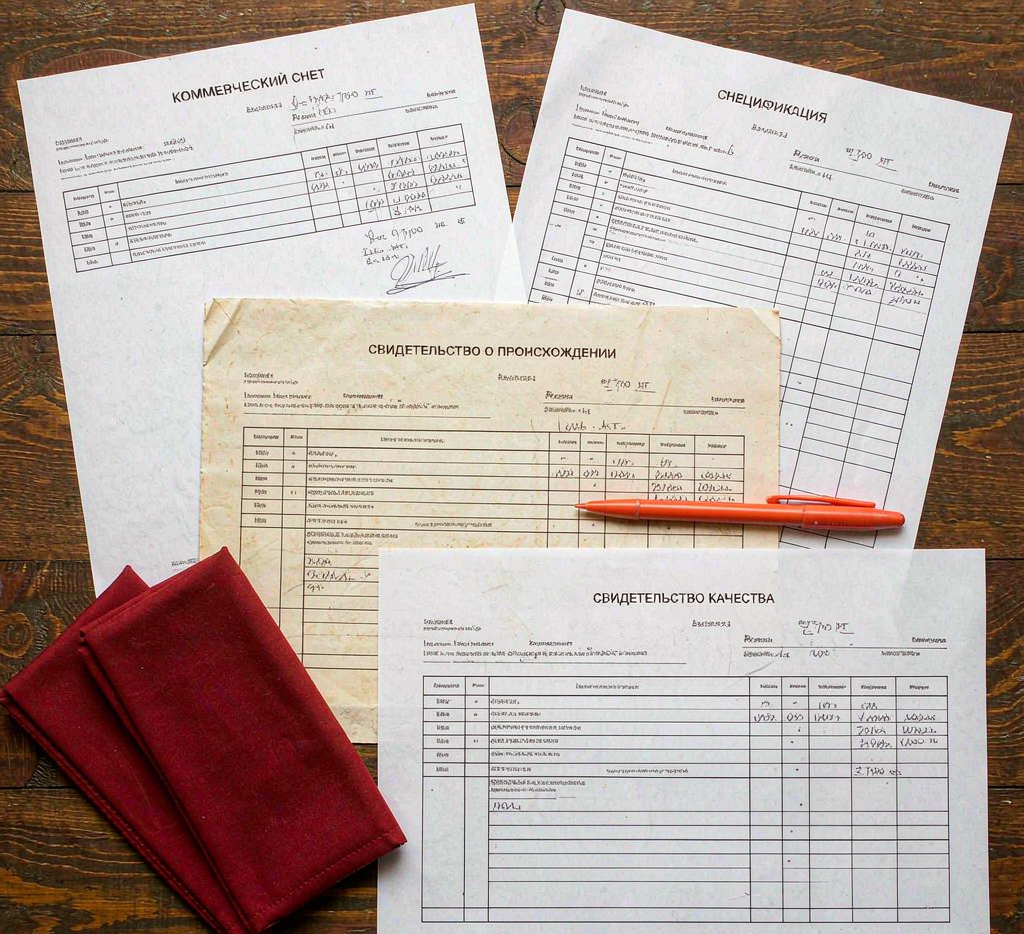
1. Commercial Invoice
The commercial invoice is the foundation of the customs declaration. It must match the packing list, bill of lading and the actual goods in every detail. Customs officers compare invoice values to market benchmarks, so inconsistencies can trigger valuation audits or anti-dumping reviews.
Exporter and importer full names, addresses and tax IDs
Invoice number, date and purchase order reference
Description of goods: grade, standard, dimensions, finish, quantity and unit price
HS code for each product line
Total value, currency and Incoterms
Country of origin and signature of exporter
2. Packing List
The packing list describes how the goods are physically packed. It helps customs inspectors locate specific bundles, coils or pipes without unloading the entire container. It also supports weight reconciliation between the bill of lading and the invoice.
Package number, type and dimensions
Net weight and gross weight per package
Total net and gross weight
Description and quantity of contents per package
Shipping marks and container numbers
3. Bill of Lading or Air Waybill
The bill of lading (B/L) is both a receipt for cargo and a document of title. For sea freight, it is issued by the shipping line or freight forwarder. For air freight, an air waybill (AWB) is used instead. The B/L must match the shipper, consignee, notify party, port of loading, port of discharge and cargo description on the invoice.
Shipper, consignee and notify party details
Vessel name, voyage number and sailing date
Port of loading and port of discharge
Number of packages, gross weight and measurement
Freight terms: prepaid or collect
4. Mill Test Certificate (MTC)
The mill test certificate is the technical passport of the steel. It proves that the material meets the ordered grade, standard and mechanical requirements. Many customs authorities and end users will not accept steel without an MTC.
Heat number and batch number
Steel grade and applicable standard
Chemical composition
Mechanical test results: tensile, yield, elongation, hardness
Dimensional inspection results
Standard reference: EN 10204 3.1 or 3.2
For high-risk or regulated applications, request EN 10204 3.2, which is countersigned by an independent inspection agency. For routine commercial shipments, EN 10204 3.1 issued by the mill is usually sufficient.
5. Certificate of Origin
The certificate of origin confirms the country where the goods were manufactured. It is required to claim preferential duty rates under free trade agreements and to determine whether anti-dumping or safeguard duties apply.
Manufacturer name and address
Description and HS code of goods
Country of origin
Chamber of commerce or authorized body stamp
Signature and date
6. Inspection Certificate
When a third-party inspection agency such as SGS, Bureau Veritas or TÜV Rheinland checks the cargo, it issues an inspection certificate. This document adds credibility and is often required by banks under a letter of credit.
Marine cargo insurance protects against loss or damage during transit. Under CIF terms, the seller arranges insurance. Under FOB or CFR terms, the buyer arranges it. The certificate should show coverage amount, risks covered, voyage details and beneficiary.
8. Import License and Customs Declaration
Some countries require an import license for steel products. The customs declaration must state the correct HS code, value, origin and duty preference. Supporting documents such as the MTC and certificate of origin should be ready for inspection.
9. Complete Document Checklist Table
Document
Who Prepares
Key Content
Critical?
Commercial Invoice
Seller
Value, HS code, terms
Yes
Packing List
Seller
Weights, marks, packages
Yes
Bill of Lading / AWB
Carrier
Routing, consignee, cargo
Yes
Mill Test Certificate
Mill
Chemistry, mechanical results
Yes
Certificate of Origin
Chamber / Authority
Country of manufacture
Often
Inspection Certificate
Third-party agency
Quality/quantity verification
If L/C or contract
Insurance Certificate
Insurer
Coverage, voyage, beneficiary
If CIF or required
Import License
Buyer / Government
Permission to import
If regulated
10. Common Mistakes to Avoid
HS code mismatch: The code on the invoice must match the actual product form and grade.
Inconsistent descriptions: Avoid calling the same product “steel plate” on the invoice and “hot-rolled coil” on the B/L.
Missing MTC: Always request the certificate before shipment; requesting it afterwards causes delays.
Wrong origin: Transshipment through a third country does not change the country of origin.
Expired certificates: Some inspection certificates have validity periods; ensure they cover the shipment date.
11. Frequently Asked Questions
11.1 What is the most important document for carbon steel imports?
The mill test certificate is usually the most important technical document because it proves the steel meets the ordered grade and standard. Without it, the buyer cannot verify material quality.
11.2 Do I need a certificate of origin for every shipment?
If you want to claim a preferential duty rate or if the destination country applies origin-specific duties, a certificate of origin is essential. Even without preferences, many customs authorities request it.
11.3 What is the difference between MTC 3.1 and 3.2?
EN 10204 3.1 is issued by the mill based on its own testing. 3.2 is validated by an independent inspector who witnesses the testing or reviews the mill’s records. Use 3.2 for critical applications or when the contract requires it.
11.4 Can missing documents cause customs seizure?
Yes. Repeated or serious documentation errors can lead to cargo holds, fines and even seizure. Preparing a document checklist and reviewing paperwork before shipment reduces this risk significantly.
12. Let Huaxia-Steel Handle Your Export Paperwork
Huaxia-Steel prepares complete export documentation for every carbon steel shipment, including commercial invoice, packing list, MTC to EN 10204 3.1 or 3.2, certificate of origin and third-party inspection reports. Our documentation team works with customs brokers around the world to ensure smooth clearance. Contact us today for a quote and a sample document package.
If you require further information about our metal sheet products or architectural projects, please don’t hesitate to leave your contact details and message here.
Our team of experts will respond within 24 hours to continue the discussion and provide you with any additional information you requires.