Introduction: Welding Is Where Carbon Steel Earns Its Keep
Carbon steel is the most welded material on the planet, yet welding failures — cracks, porosity, distortion, and weak joints — remain among the top causes of rejected fabrication and field claims. The reason is rarely the steel itself; it is the mismatch between grade, process, consumable, and joint preparation.
This guide is written for buyers and procurement engineers who specify welded carbon steel assemblies. It covers process selection, electrode choice by grade, preheat and interpass rules, distortion control, inspection, and the common mistakes that show up in incoming quality reports.
1. Choosing the Welding Process
| Process | Best For | Notes |
|---|---|---|
| SMAW (stick) | Field repair, thick sections, all positions | Versatile, low equipment cost |
| GMAW (MIG) | High-volume shop fabrication | Fast, clean, needs gas shielding |
| FCAW | Outdoor, windy, thick plate | Self-shielded options, high deposition |
| SAW | Long seams, pipe, beams | Deep penetration, high quality |
| GTAW (TIG) | Thin or root passes, clean welds | Slow, precise, best root quality |
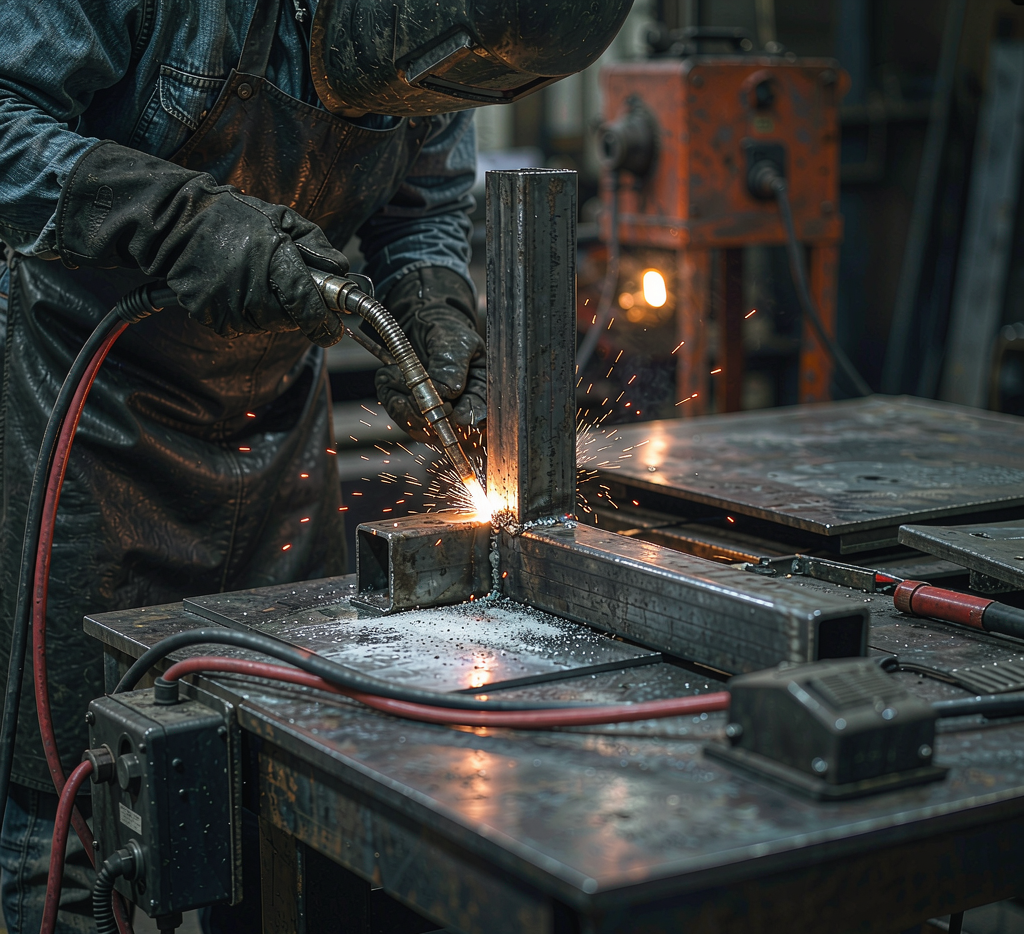
For structural carbon steel, SMAW and FCAW dominate field work, while GMAW and SAW dominate shop production. The process choice affects both cost and the risk profile of the joint.
2. Electrode and Filler Selection by Grade
| Base Steel | Typical Filler | Why |
|---|---|---|
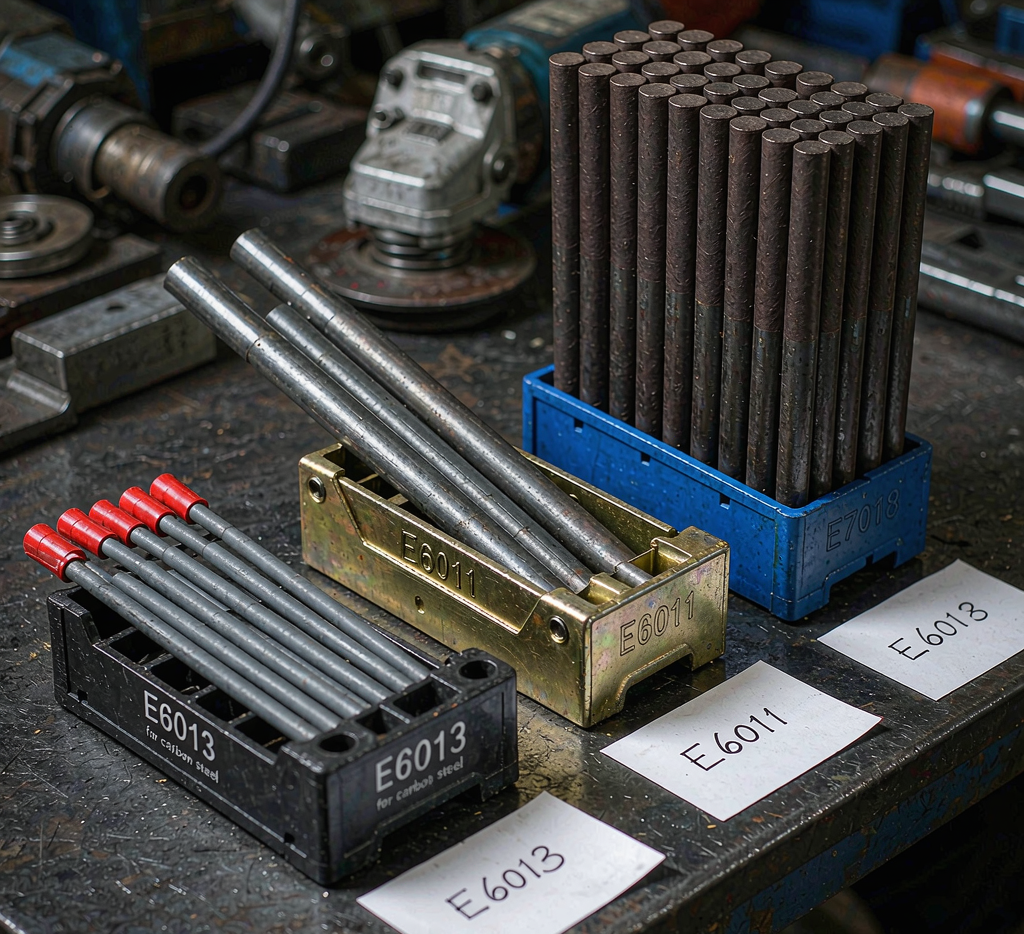
| Low-carbon (Q235, SS400, A36, 1018, 1020) | E6013, E7018, ER70S-6 | Matches strength, easy arc, low cracking risk |
| Medium-carbon (1045, C45, S45C) | E7018, low-hydrogen; preheat | Controls hardenability and HIC |
| High-strength low-alloy | Matched strength electrode | Avoids undermatched joint |
The single most important consumable rule for carbon steel is: use low-hydrogen electrodes (E7018, basic flux) for anything thicker than 12 mm or any medium-carbon grade. Hydrogen trapped in the weld and heat-affected zone is the leading cause of cold cracking.
3. Preheat and Interpass Temperature
Preheat slows cooling so the weld metal and HAZ do not harden into a crack-prone structure. Rules of thumb:
- Low-carbon steels under 25 mm: usually no preheat needed in warm, dry conditions.
- Medium-carbon steels (1045, C45): preheat 150 – 260°C for sections over 12 mm.
- Thick low-carbon assemblies in cold weather: preheat 50 – 100°C to drive off moisture.
- Keep interpass temperature below ~250°C to avoid grain growth.
4. Controlling Distortion
Carbon steel distorts because welding shrinks as it cools. Control methods:
- Balanced welding sequence (symmetrical, back-step).
- Minimize heat input with the smallest acceptable bead.
- Use fixtures, tack welds, and jigs to hold alignment.
- Peening (lightly) to relieve shrinkage on long seams.
- Plan for post-weld straightening only when necessary.
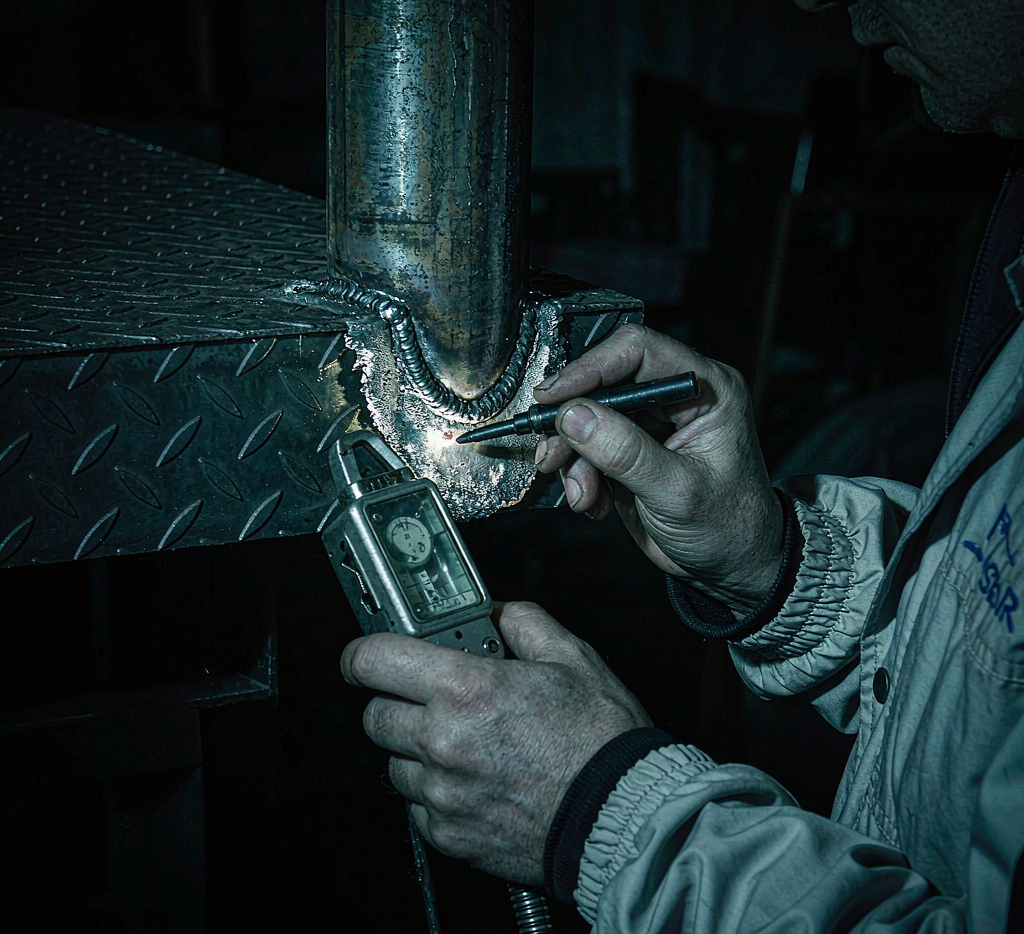
5. Inspection and Acceptance
| Method | Detects | When Used |
|---|---|---|
| Visual (VT) | Cracks, porosity, profile | Always, first-line check |
| MT / PT | Surface cracks | Critical and pressure joints |
| UT / RT | Internal defects | Pressure, structural, code work |
| Macro etch | Penetration, profile | Procedure qualification |
For structural carbon steel, visual plus magnetic particle testing on critical welds is common. Pressure piping and heavy structural members often require ultrasonic or radiographic testing per the applicable code.
6. Common Welding Mistakes Buyers Should Watch
- Wet or opened electrodes: E7018 must be stored in a rod oven; moisture causes hydrogen cracking.
- No preheat on medium-carbon steel: 1045 welded cold will crack in the HAZ.
- Over-welding: oversized welds add cost and distortion with no benefit.
- Skipping fit-up inspection: poor gap and alignment produce weak roots.
- No WPS/PQR: without a qualified procedure, weld quality is unverifiable.
Frequently Asked Questions
1. Can I weld 1045 carbon steel?
Yes, but 1045 is medium-carbon and hardens in the HAZ. Use low-hydrogen electrodes, preheat 150 – 260°C for thicker sections, control interpass temperature, and consider post-weld stress relief to avoid cold cracking.
2. What electrode do I use for mild steel like Q235 or A36?
E6013 is fine for light, all-position work; E7018 (low-hydrogen) is preferred for structural and thicker sections. For wire feeding, ER70S-6 is the standard GMAW filler.
3. Why does my weld crack after cooling?
The most common cause is hydrogen-induced cracking from moisture in the flux or on the surface, especially on medium-carbon or thick low-carbon steel without preheat. Use low-hydrogen consumables, dry the joint, and preheat as needed.
4. Do I need post-weld heat treatment?
For most low-carbon structural welds, no. For medium-carbon steels, thick sections, or pressurized components, stress relief at 550 – 650°C reduces residual stress and cracking risk. Follow the applicable code.
5. How do I verify weld quality on delivered assemblies?
Require a WPS/PQR, visual inspection records, and surface or volumetric NDE on critical joints. A third-party inspector (SGS, BV, TÜV) can witness and report before shipment.
Conclusion
Carbon steel welds reliably when the process, filler, and thermal practice match the grade. The cheapest insurance is a qualified welding procedure, low-hydrogen consumables, sensible preheat, and inspection at the right points. Specify these on the purchase order and verify them on delivery.
Huaxia-Steel supplies weld-ready carbon steel plate, sections, pipe, and bar in Q235B, SS400, A36, S355JR, and 1045, with WPS support and inspection documentation. Send us your welding specification and BOM for a quotation with material certification.