Adjustable steel props (also called steel shore props, acrow props or formwork shoring posts) are telescopic load-bearing columns used to support concrete slab formwork, beams, walls and temporary structures during construction. Huaxia-Steel manufactures and exports adjustable steel props factory direct: outer tubes from 40 to 76 mm, working loads from 15 to 55 kN depending on extension and class, light, medium and heavy-duty configurations, with galvanized, painted or powder-coated finishes. Standard and custom lengths ship worldwide with EN 1065 / BS 4074 test reports and full traceability.
Product Overview
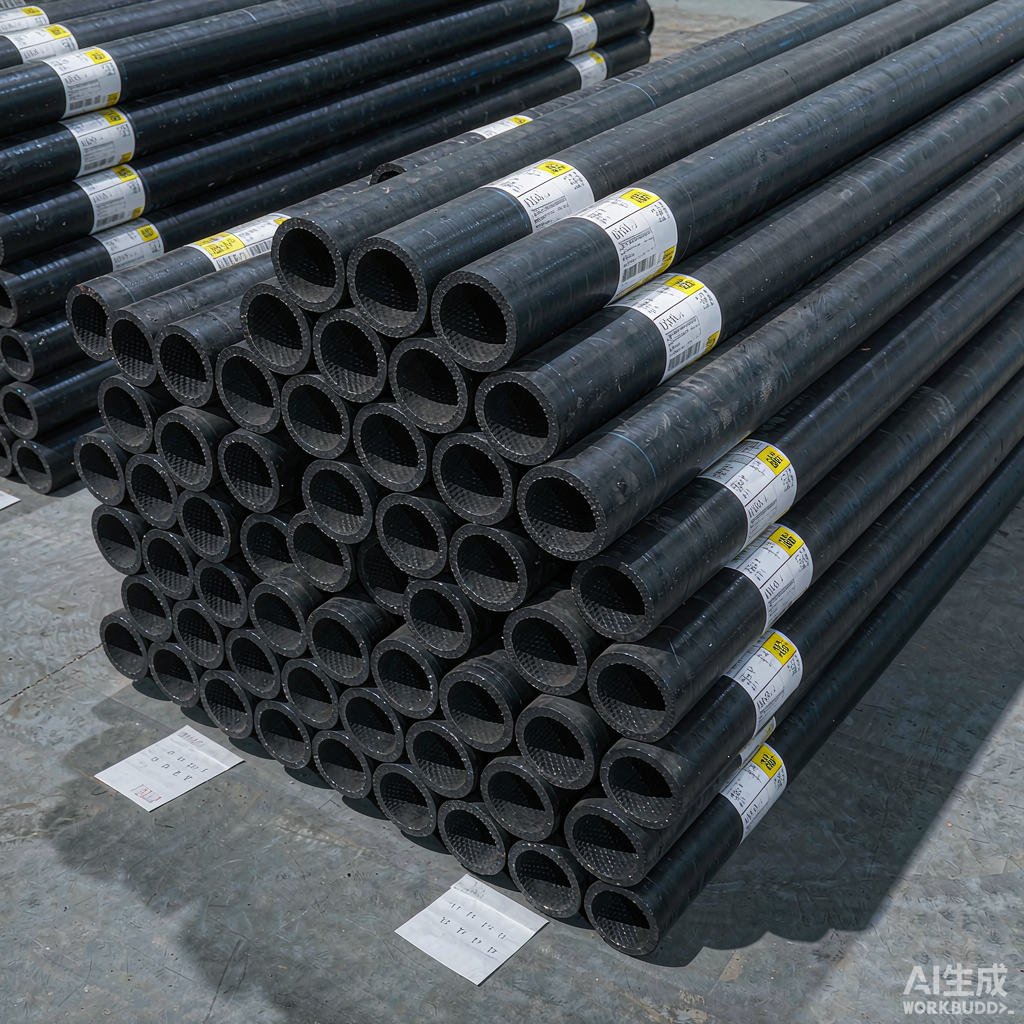
An adjustable steel prop consists of four components: an outer tube (base tube), an inner tube that slides telescopically, a rolled-thread or cast-thread adjustment collar (nut) that sets the exact height, and a top plate plus base plate that transfer load into the formwork and the ground or supporting structure. Optional cups, forks, tripod heads and cross-bracing connectors adapt the prop to slab tables, shoring towers and façade applications. Because the load path is a simple axial column, the prop is the most economical shoring device per kN of support, and its height adjustability lets one prop size cover a wide range of slab heights on site — the reason steel props remain the default shoring choice across Europe, the Middle East, Africa and Southeast Asia.
We produce three duty classes. Light-duty props (Class B per EN 1065, working load roughly 15 to 30 kN) serve residential slabs and brickwork support. Medium-duty props (Class C/D, 25 to 40 kN) cover commercial slab tables and beam shoring. Heavy-duty props (Class E, 40 to 55 kN with reduced extension) support thick transfer slabs, bridge formwork and heavy beam tables. Actual working load depends on prop extension: every class loses capacity as it extends, so we publish load-extension tables rather than a single number, and we recommend sizing at 70 percent of tabulated capacity for site safety margin.
Specification Table
| Parameter | Light / Class B | Medium / Class C–D | Heavy / Class E |
|---|---|---|---|
| Outer tube | 48.3 mm × 2.0–2.5 mm | 56–60 mm × 2.5 mm | 76 mm × 3.0–3.5 mm |
| Inner tube | 40 mm × 2.0 mm | 48 mm × 2.5 mm | 63 mm × 3.0 mm |
| Collapsed height | 1.0 – 1.8 m | 1.5 – 2.2 m | 2.0 – 3.0 m |
| Extended height (max) | 2.0 – 3.2 m | 3.0 – 4.0 m | 4.5 – 6.0 m |
| Adjustment range | typically 1.5 – 2.0 m of telescopic travel by rolled-thread collar | ||
| Plate (top / base) | 120 × 120 × 5 mm | 150 × 150 × 6 mm | 150 × 150 × 8 mm |
| Working load (near closed) | 20 – 30 kN | 35 – 40 kN | 50 – 55 kN |
| Working load (near full extension) | 15 – 18 kN | 22 – 28 kN | 35 – 40 kN |
| Thread type | rolled flat thread or cup nut | rolled thread | rolled or cast heavy thread |
| Finish | hot-dip galvanized, pre-galvanized, painted (red/yellow/blue), powder coated | ||
| Weight range | 11 – 16 kg | 16 – 24 kg | 28 – 45 kg |
Custom specifications are routine for us: non-standard collapsed heights for low ceiling slabs, inner-tube window patterns matched to your existing stock so old and new props interlock, fork heads and U-heads to your formwork system’s pin size, and brand marking (stamp, emboss or powder-coat stencil) for rental fleet identification. Send us your load table or a sample prop and we will reverse-engineer the drawing for approval before production.
Materials and Manufacturing Standards
Tube is produced from S235JR or Q235B carbon steel strip formed by high-frequency ERW welding; heavy-class props use S275JR or Q355B for the outer tube where load tables demand it. Collar nuts are machined from solid bar or produced as cast handles from graded malleable iron — we recommend machined-from-bar nuts for rental fleets because cast nuts crack under abuse. Threads are cold-rolled, not cut, which raises surface hardness to roughly 250 HV and extends nut service life by 2 to 3 times under repeated adjustment. Welding of plates and collars follows AWS D1.1 or EN 1090-2 qualified procedures with fillet sizes checked per drawing.
- Design and testing reference: EN 1065 (European adjustable props — classes A to E with prescribed load-extension test), BS 4074 (British metal props), AS/NZS 4700 equivalents for Australia-market projects.
- Raw material certificates: EN 10204 3.1 MTC per heat for tube and bar; weld wire per AWS A5.18 ER70S-6.
- Proof testing: sample props from each batch tested to 1.5 × working load; full test curves available on request for project approvals.
- Galvanizing: hot-dip per EN ISO 1461 or ASTM A123 (typical 55–85 μm), or pre-galvanized tube for cost-driven programs; painted props finished with epoxy primer plus alkyd topcoat.
Applications
- Slab formwork shoring: the classic use — props under timber or aluminium beam tables carrying fresh concrete until strength gain allows stripping.
- Beam and bridge deck support: heavy-class props in pairs or towers under primary beams for transfer slabs and bridge falsework.
- Wall and column formwork bracing: props angled against formwork panels to hold plumb and resist wind and pour vibration loads.
- Lintel and opening support: short light-duty props on strongbacks for masonry openings and renovation work.
- Temporary works and façade retention: push-pull arrangements with swivel plates for propping existing structures during modification.
Sizing guidance: prop spacing for slab shoring typically runs 1.0 to 1.5 m in both directions for 200 to 300 mm slabs on medium-duty props, but final design belongs to the formwork engineer — we supply the load-extension curves, the project engineer sets spacings, and the two documents together satisfy most site QA plans. Never exceed tabulated load at the actual extension in use; most prop failures trace to extending a light prop to its full height and loading it as if it were closed.
Quality Assurance
Every production batch passes four gates: incoming tube verification (dimension, weld seam, MTC match), weld inspection on plates and collars (visual plus sample magnetic particle on heavy class), dimensional check of thread engagement and collar torque, and proof loading of sampled props to 1.5 × rated load with displacement recording. For rental customers we offer an extended fatigue option — 10 adjustment cycles under load — which predicts nut wear far better than static tests. EN 1065 compliance testing through an accredited third-party lab (SGS, TUV, Intertek) can be arranged per order with reports included in the shipment file. Prop identification is permanent: each prop carries the class, production month and our brand code, so fleet audits and project traceability survive years of site abuse.
Packing and Shipping
Props ship nested in bundles of 50 to 100 pieces, strapped on timber cradles with nylon slings protecting the finish; collars are pre-set mid-travel to protect threads, and plate corners are padded for galvanized orders. Standard 40-foot high-cube containers load 1,100 to 2,400 props depending on class and length; we provide the exact loading plan with piece counts and weights before booking so your site logistics can plan crane time. Bundles are tagged with class, length and quantity, and each container ships with a packing list matching the tags one-to-one. Spare nuts, cups and forks ship in dedicated cartons inside the same container so replacement parts arrive with the fleet.
Why Buy Props From Huaxia-Steel
- Factory direct from the tube mill to the prop line — no trader margin, consistent tube chemistry across orders.
- EN 1065 class-tested with published load-extension tables, not single-number marketing loads.
- Interchangeable window patterns and threads matched to your existing fleet.
- Galvanizing and painting options priced transparently per piece.
- Mixed-container capability: combine props with wedges, brackets, formwork panels and scaffold frames in one shipment.
Site Handling and Maintenance Tips
Props are abused equipment by nature, and a short maintenance routine extends fleet life dramatically. Store props upright on dunnage with collars oiled; free the threads every month in storage so the nut does not seize to a rusted collar. On site, drop damage bends plate corners — a bent base plate under 3 mm depth can be straightened, but a plate cracked at the weld means the prop is scrapped, not repaired. Inspect tube straightness after heavy strikes: a prop bent more than about 1/600 of its length no longer meets its class load table and must be downgraded or cut down. These rules cost minutes per hundred props and prevent the quiet capacity loss that turns into a formwork incident. We supply a one-page field inspection card in English and Arabic with every order, sized for clipboard use.
Frequently Asked Questions
What is the working load of an adjustable steel prop?
It depends on class and extension: light-class props carry 15 to 30 kN, medium 22 to 40 kN, and heavy 35 to 55 kN, always highest near the closed position and lower at full extension. Use the load-extension table for the actual extended height on your site, and design to 70 percent of tabulated capacity for safety margin.
Which is better, galvanized or painted props?
Hot-dip galvanized props last 5 to 10 years outdoors and are the standard for rental fleets and humid coastal sites; painted props cost 10 to 20 percent less and suit short projects and dry climates. For programs where props sit outside between uses, galvanizing pays back within the first two projects through reduced re-coating and nut seizure.
Can you match props to our existing fleet?
Yes. Send one sample prop or the maker’s drawing; we match outer/inner tube sizes, window hole patterns, thread pitch and plate dimensions so new props intermix with your stock. We confirm a dimensioned drawing for approval before production starts.
What is the MOQ and lead time?
MOQ is typically one 20-foot container (around 500 to 800 light-class props); mixed-class loads start at 40-foot. Standard classes ship in 20 to 30 days after drawing approval; custom lengths and galvanized finish add 7 to 15 days depending on the galvanizing line schedule.
Need adjustable steel props with EN 1065 test evidence and your fleet’s exact window pattern? Send class, lengths and quantity — factory-direct pricing and a loading plan within 24 hours.