Carbon Steel Wire Rope — Galvanized & Bright Supplier | Huaxia-Steel
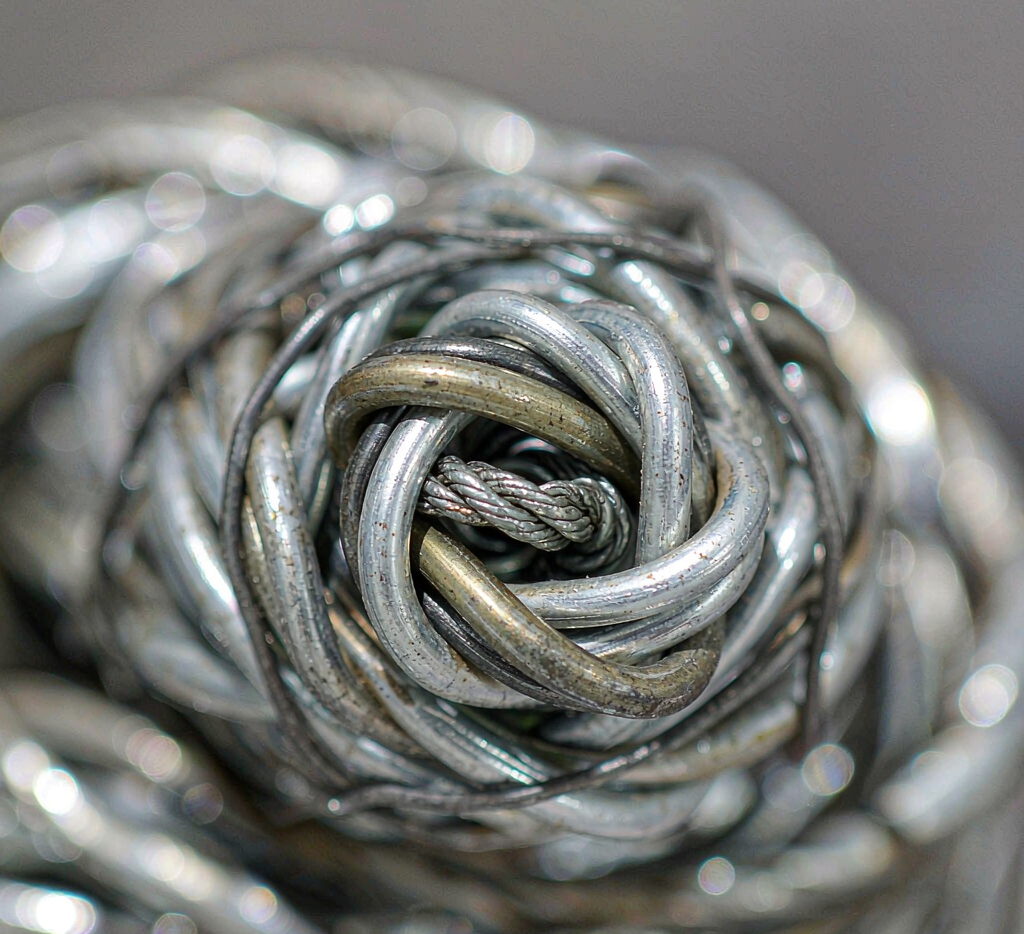
Huaxia-Steel supplies carbon steel wire rope in bright (uncoated) and hot-dip galvanized finishes for lifting, hoisting, rigging, fencing and general engineering. We stock the common 6×19 and 6×37 constructions across diameters from 6 mm to 40 mm, on wooden or steel reels, with test certificates on request. Our rope goes to crane hire firms, ports, mines and OEMs that build lifting and tensioning equipment.
Product Overview
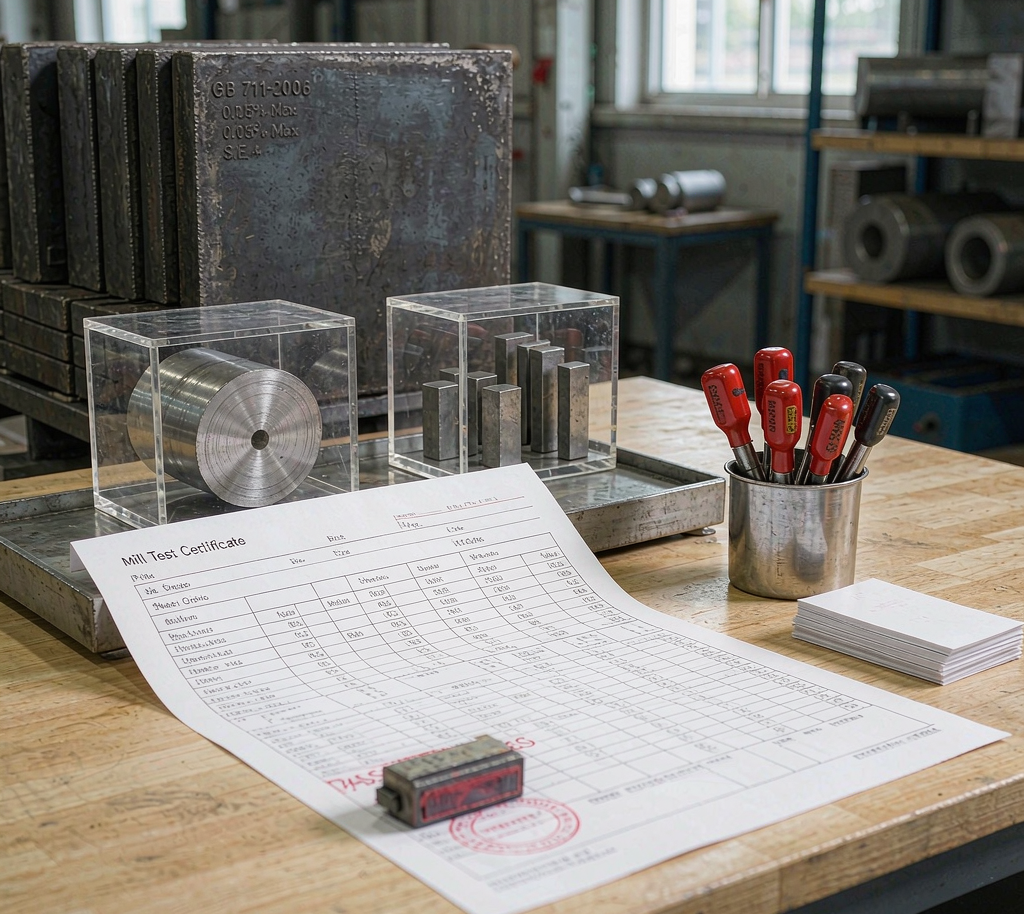
Wire rope is an assembly of steel wires spun into strands around a fibre or steel core. Carbon steel rope balances strength, flexibility and cost; galvanizing adds corrosion resistance for outdoor and marine use. We help you pick the right construction for abrasion versus fatigue life, because the wrong construction fails early even when the diameter is correct.
Specification Table
| Parameter | Range / value |
|---|---|
| Construction | 6×19, 6×37, 7×7 |
| Diameter | 6 – 40 mm |
| Finish | Bright or galvanized (Zinc class A/B) |
| Core | Fibre (FC) or independent wire rope (IWRC) |
| Tensile grade | 1570 / 1770 MPa |
| Length | Per reel or cut to length |
| Lubrication | Standard penetrating |
Construction Choice
| Construction | Character | Best use |
|---|---|---|
| 6×19 | More wear-resistant | Crane, outdoor hoist |
| 6×37 | More flexible | Pulleys, frequent bends |
| 7×7 | Stiff, small dia | Control, fencing |
A fibre core (FC) gives more elasticity and is kinder to small sheaves; an independent wire rope core (IWRC) adds strength and resistance to crushing for heavy or fixed applications. We stock both and will recommend IWRC where the rope sees point loads or is spooled under high pressure.
Breaking Load Reference
Approximate mass kg/m ≈ 0.004 × d² (d in mm) for a 6×19 rope. Tell us diameter and length and we return reel weight and breaking load from the relevant standard (e.g. EN 12385 / API 9A). As a rough guide, a 20 mm 6×19 1770 MPa rope breaks around 220 kN — confirm the exact value from the certificate before you lift.
Material and Coating
We use high-carbon wire (typically 1570–1770 MPa) drawn and closed on precision machines. Galvanized rope meets Zinc class A (heavy) or B (medium) per EN 10244; bright rope is supplied for indoor or greased service. For marine or stay applications we recommend class A galvanizing and a sealed end to keep water out of the core.
Manufacturing Standards
- Closed to EN 12385 / ISO 2408 / API 9A as required.
- Pre-tensioning and end-binding on request.
- Fittings (thimbles, clips, swage) supplied loose or assembled.
- Test certificate and lay-length check available.
Typical Applications
- Overhead and mobile crane hoist ropes.
- Elevator, winch and rigging lines.
- Mooring, towing and securing lines.
- Barrier, fence and overhead ground wire.
Quality Assurance
Every production lot is checked for diameter, lay, lubrication and breaking load. Galvanized coating weight is verified per EN 10244. We retain test reports and offer SGS/BV witness testing. Each reel is tagged with diameter, grade, length and test number so it can be traced back to the closing record.
Packing and Shipping
Rope is coil-packed or reeled on wooden/steel reels, capped and banded, with the end secured to prevent unravelling. Reels are lashed for container or break-bulk shipment and labelled with diameter, length and grade. For cut lengths we bind both ends and supply a test certificate with the piece.
FAQ
Galvanized or bright?
Galvanized for outdoor, marine or humid service; bright for indoor or continuously greased lines where cost matters more than corrosion life.
6×19 or 6×37?
6×19 for abrasion resistance on cranes; 6×37 for flexibility over many small sheaves.
Do you supply fittings?
Yes — thimbles, clips, swage sleeves and sockets, loose or pre-assembled to your drawing.
How to Read a Rope Catalogue
A catalogue entry gives construction, diameter, grade, approximate mass and the nominal breaking load. Always design to the verified test value on the certificate, not the table average, and apply a safety factor appropriate to the duty — typically 5:1 for general lifting and higher for man-riding or dynamic loads. The catalogue is a starting point; the certificate is what you hang the load on.
Inspection and Retirement
Take ropes out of service when visible broken wires exceed the standard limit, when wear reduces diameter below the allowance, or when corrosion pits the strands. Keep a simple inspection log per rope with the date, the hours and the findings; a log turns retirement from a guess into a documented decision that protects people and equipment. Do not paint over corrosion to hide it — that hides the failure too.
End Termination Options
We supply rope with ferrule-secured loops, spliced eyes, socketed ends or clip assemblies depending on the load and the fitting. Swaged or spliced terminations are stronger and neater than field clip unions; for critical lifts we recommend a factory termination witnessed and tagged. Tell us the fitting and the working angle and we will match the termination to the duty.
Storage and Care
Store reels flat and off the ground in a dry place, and keep the end bound so the lay does not unravel. Lubricate periodically for ropes in slow or intermittent service, and keep galvanized rope out of contact with dissimilar metals where galvanic corrosion can start. Good storage is most of the battle for a long, safe service life.
Enquiry Checklist
For a quote we need the construction and diameter, the finish (bright or galvanized), the core type, the length and quantity, the required breaking load if known, and any fittings. With that we return the reel weight, the test value and the lead time, and we can pre-assemble fittings if you send the drawing.
Choosing Diameter and Grade
Pick the smallest diameter that meets the breaking load with your safety factor; a larger rope adds weight and cost without benefit, while a rope sized too close to the load leaves no margin. The 1570 MPa grade suits most general lifts; step up to 1770 MPa where weight or drum size is tight. Tell us the load and the factor and we will name the diameter rather than let you guess.
Lubrication Types
Rope lubrication ranges from a light penetrating oil for flexible, fast-cycling ropes to a heavier grease for slow or static lines. Correct lube reduces internal friction and wear at the wire contacts, which is where most ropes fail. We supply ropes pre-lubricated to the duty, and we can re-lubricate cut lengths before dispatch.
Safety Factors Explained
The safety factor is the ratio of the verified breaking load to the maximum working load. General lifting uses about 5:1, man-riding and dynamic or shock-loaded duty use higher. Never set the working load above the certified value divided by the required factor; the certificate value, not the catalogue average, is the number to design to.
Common Applications by Industry
Ports use large galvanized ropes for ship-to-shore and quay cranes; mines use abrasion-resistant 6×19 for draglines and hoists; elevators use fine 6×37 or 8×19 for smooth cycling; and utilities use static guy ropes. Each duty favours a different construction and finish, so name the application and we will match the rope rather than sell a generic line.
Rope vs Chain
Wire rope is lighter and more flexible than chain for most lifting and stays cleaner in handling, while chain resists abrasion and overload better in dragging and lashing duties. Choose rope where cycling and flexibility matter and chain where the load is dragged or the duty is abusive. We supply both and can advise where the boundary falls for your application.
Reel Handling
Move reels with a shaft or a cradle, never by rolling them on their rims, which can kink the outer layer and spoil the lay. Store them flat and banded, and keep the end bound so the rope does not unstrand during handling. Good reel discipline prevents the most common site damage, which is a crushed or kinked rope that must be cut back before use.
Breaking Load vs WLL
The breaking load on the certificate is the proof value, not the working load. The working load limit (WLL) is the breaking load divided by the safety factor, so a 220 kN rope at 5:1 gives a WLL near 44 kN. Always lift to the WLL, never to the breaking load, and re-rate the rope if it is used with a sling angle or a shock load that raises the effective tension.
Choosing a Supplier
Before committing a large rope order, ask the supplier for the test certificate and a reference reel from a similar construction, so you can verify the breaking load and the lay rather than trusting a catalogue number. A supplier who hesitates to show certs is one to avoid for lifting duty.
Confirm they can supply the construction and the finish you actually need — bright or galvanized, fibre or steel core — not just a single standard line. A supplier with the full range solves your next application too, instead of sending you back to the market for a different rope.
Price matters, but for lifting gear the certificate and the consistency matter more, because a failed rope costs far more than the saving on a cheaper reel. A supplier with steady certs and stock protects your schedule and your safety better than the lowest headline price.
Get a Quote from Huaxia-Steel
Factory-direct carbon steel with MTC, third-party inspection, and fast export shipping. Tell us your grade, size, quantity and destination — we return a firm quote within 24 hours.