Carbon Steel Channel — Factory Direct Supplier | Huaxia-Steel
Carbon steel channel (U-channel or C-section) is a versatile structural profile used wherever a lightweight, easy-to-connect member is needed for framing, support and bracing. Huaxia-Steel produces channels directly from the mill in standard and custom sizes, with ASTM, EN and JIS equivalents and optional galvanizing. This page covers product overview, specifications, grades, standards, applications, quality assurance and packaging.
Product Overview
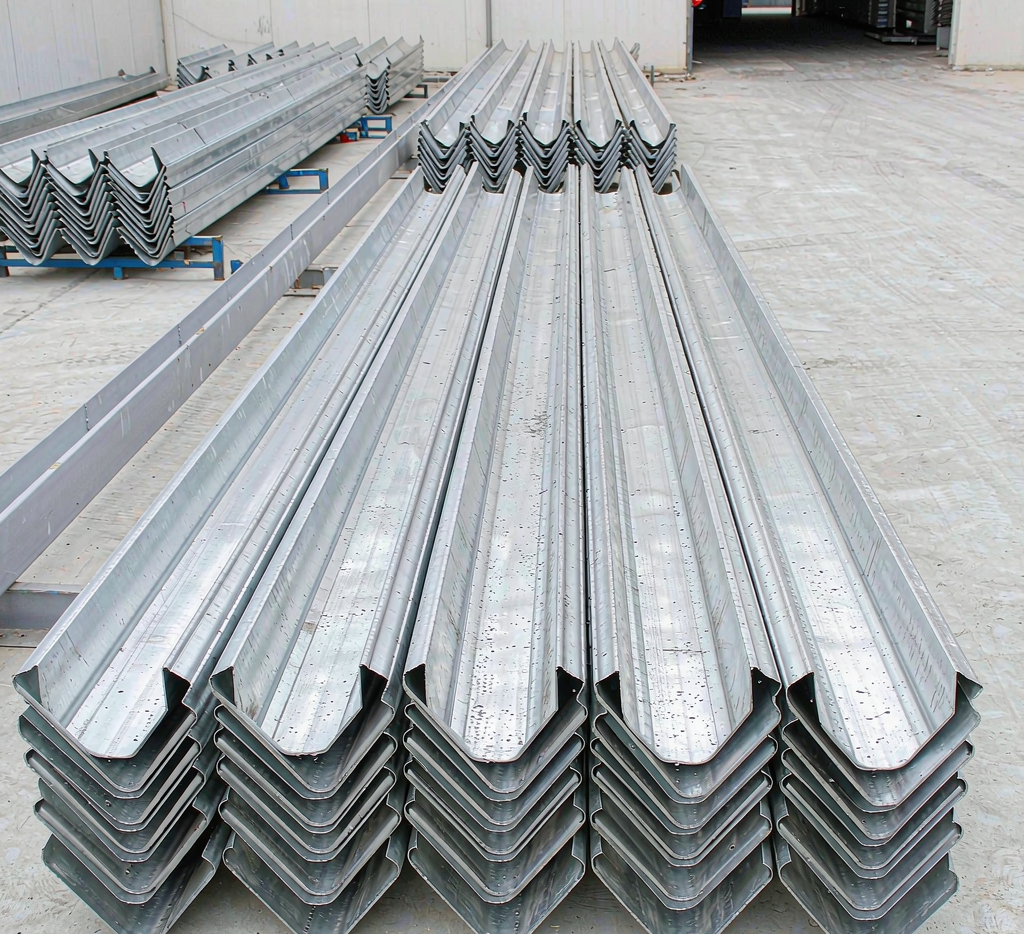
Channels are hot-rolled into a U-shape with two flanges and a web. They are available as American Standard (C) or Japanese/metric (U, JIS) channels, and as tapered or parallel-flange sections. The open profile is easy to bolt, weld and nest, making it a favourite for secondary structural frames where weight and connection simplicity matter more than maximum stiffness.
Specifications (Size, Weight, Tolerance)
| Type | Depth | Web/thickness | Length | Tolerance |
|---|---|---|---|---|
| U-channel (JIS) | 50-300 mm | 4-10 mm | 6-12 m | Per JIS G3192 |
| C-channel (ASTM) | 3″-15″ | varies | 6-12 m | Per ASTM A6 |
Theoretical weight follows standard section tables; cut-to-length and punching services are available. Parallel-flange channels are recommended when bolts pass through both flanges.
Available Grades
| Standard | Grade | Yield MPa |
|---|---|---|
| ASTM A36 | A36 | 250 |
| ASTM A572 | Gr50 | 345 |
| EN 10025 | S235 / S355 | 235 / 355 |
| JIS G3101 | SS400 | 245 |
| GB/T 700 | Q235B | 235 |
Manufacturing Standards and Process
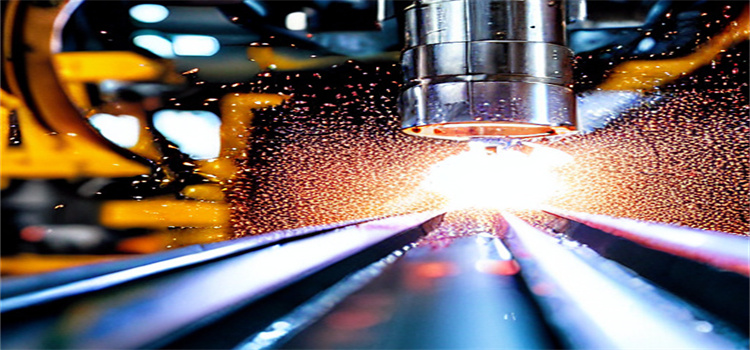
Channels are rolled to ASTM A36/A572, EN 10365, JIS G3192 or GB/T 706. Billets are reheated and passed through a universal stand that forms the U-section, then cooled and straightened. Straightness, flange squareness and surface condition are controlled during rolling and cooling; galvanizing to ASTM A123 is optional for outdoor use.
Applications
Channels are used in building frames, equipment bases, racking, vehicle chassis, bridge walkways, solar mounting and industrial support structures. They pair well with angles and I-beams in fabricated assemblies, and slotted channels are popular for adjustable racking and conduit support.
Quality Assurance
We verify depth, flange width, thickness, straightness and surface quality, and confirm chemistry and mechanical properties via mill certificate. Tensile and yield tests, plus optional galvanizing thickness checks, are available with third-party witness. Heat traceability is maintained for every bundle shipped.
Packaging and Shipping
Channels are bundled by size with steel strapping and tagged by heat number. For export we apply rust-preventive treatment and woven wrapping, and load by container or break-bulk, with mixed profiles allowed in one shipment to optimise freight. End painting protects against handling damage.
Why Buy Direct from Huaxia-Steel
Mill-direct channels mean uniform section geometry, repeatable supply for project schedules, and the ability to match ASTM, EN or JIS grades from one source. We support mixed-profile containers and provide full documentation for customs clearance.
Slotted and Strut Channel Systems
A popular derivative is slotted (unistrut-type) channel, used for adjustable racking, conduit support and mechanical services. Huaxia-Steel can supply plain or slotted channels with pre-punched holes and matching fittings, saving fabrication time on site. Both welded and cold-formed channel options are available depending on load requirements.
| Type | Form | Use |
|---|---|---|
| Hot-rolled C | Structural | Frames, bases |
| Slotted strut | Cold-formed | Services, racking |
| Z-purlin | Cold-formed | Roof, wall |
Connection and Fabrication
Channels bolt or weld readily. For bolted connections use the flanges and consider stiffeners at heavy load points. In built-up sections, channels are paired back-to-back or with plates to increase the effective section modulus. Galvanized channels are preferred for exterior and plant environments.
Detailed Rolling Process
Channel rolling uses a universal stand with horizontal and vertical rolls that form the web and the two flanges in one pass sequence. The billet is reheated, descaled, and fed through roughing and finishing stands that open the U-profile, then cooled and straightened. Parallel-flange channels are produced by holding the flange faces vertical through the finishing stand, while tapered channels have slightly sloping flanges. Dimensional control focuses on depth, flange width, web thickness and straightness.
Load-Bearing and Design Notes
| Aspect | Guidance |
|---|---|
| Section modulus | Use tables per grade |
| Web crippling | Stiffen at point loads |
| Bracing | Add angles for lateral |
| Galvanize | Specify for outdoor |
Selection Guide
For primary structural frames choose the depth that meets the span and load with the lightest weight. For equipment bases, a heavier channel with stiffeners resists vibration. For racking and services, slotted (unistrut-type) channels speed assembly. Match the grade to the design code – A36/A572 for the US, S235/S355 for Europe, SS400 for Japan – and keep the certificate with the job file.
Typical Project Example
An equipment OEM ordered 60 tonnes of 100×50 mm C-channels in A36 for machine bases, cut to length with welded stiffeners at load points. We supplied straight, uniform channels that welded cleanly and held tolerances through machining. Using mill-direct channels instead of local stock shortened their lead time and improved cost predictability across a quarterly production plan.
Frequently Asked Questions
Parallel or tapered flange? Parallel is easier to bolt; tapered is traditional for some standards.
Can you slotted? Yes, we supply slotted strut channels with fittings.
Galvanized available? Yes, hot-dip galvanizing to ASTM A123 on request.
Parallel vs Tapered Flange
| Type | Note |
|---|---|
| Parallel | Two bolts pass through, easy |
| Tapered | Classic profile, one flat face |
Channel vs I-Beam: When to Choose
An I-beam carries bending most efficiently about its strong axis and is the default for primary beams. A channel is lighter and easier to connect, so it suits secondary members, bracing, equipment bases and where access from one side matters. In a frame, channels and I-beams are often combined: I-beams for main spans, channels for connections, trims and supports. Choosing the right section avoids over-weight and over-cost while meeting the load case.
Design Example
For a simply supported equipment base spanning 3 metres carrying a 5 kN/m load, a 100 mm parallel-flange channel may suffice where an I-beam would be oversized. Verify against the section modulus and check web crippling at support points; add a stiffener if needed. The point is to use the lighter, simpler section when the load allows, reserving I-beams for where their efficiency is required.
Mistakes to Avoid
Avoid assuming all channels are interchangeable across standards (ASTM C, JIS U, EN U have different geometries); forgetting that tapered and parallel flanges affect bolt access; and neglecting galvanizing for outdoor use. Confirm the exact standard and flange type in the order, and pair the grade with the design code so the structure is compliant from the start.
Channel in Racking and Shelving
Channels form the uprights, beams and braces of industrial racking and the frames of shelving. Their open profile is easy to bolt and, in slotted form, lets beams adjust without drilling. For warehouse systems, galvanized or painted channels resist the wear and humidity of storage environments. Choose depth and grade from the load per bay and the span, and confirm connections so the rack meets local seismic and load codes.
Fabrication Tips
Channels cut and weld readily; for bolted frames, drill or punch holes to the connection pattern and use stiffeners at heavy load points to prevent web crippling. When pairing channels back-to-back, keep them aligned so the combined section behaves as designed. For outdoor or plant use, galvanize after fabrication and touch up cut edges. Good fabrication discipline keeps the structure true and safe.
How to Request a Quote Correctly
Provide: standard and grade, channel type (U/JIS or C/ASTM), depth and thickness, length, quantity, surface treatment and any punching. State whether parallel or tapered flange is required, since it affects both price and connection design. A complete specification lets us quote and reserve capacity confidently for your project schedule.
Summary: Why Choose Huaxia-Steel for Channels
Huaxia-Steel produces U and C channels in A36, A572, S235/S355, SS400 and Q235, plain or galvanized, with the option of slotted strut channels and cut-to-length service. Our parallel- and tapered-flange options cover both structural frames and services racking, and our heat-traceable documentation supports code-compliant builds. Send us the type, size and grade and we will quote mill-direct pricing with lead time and full customs documentation for your next project or recurring supply.
Quick Reference
U-channel / C-channel: open U-section structural member. Parallel flange: vertical flanges for easy bolting. Tapered flange: classic sloping profile. Slotted strut: channel with punched slots for adjustable racking. Web crippling: local failure of the web under point load. Using these terms correctly ensures the channel you order fits the design and the connections.
Buying Tip
When requesting channel quotes, state parallel versus tapered flange explicitly, because the two are not interchangeable in bolted connections. Also confirm whether slotted strut is acceptable in place of standard channel for your application, since slotted channel can save on-site fabrication. Comparing offers on the same flange type, grade and surface prevents the common mistake of accepting a lower price for a different, incompatible section.
Design Reminder
Before finalising a channel order, confirm the flange type (parallel or tapered), the grade to the design code, and whether galvanizing is required for the service environment. These three choices determine fit, compliance and corrosion life, and getting them right at specification time avoids costly replacements after fabrication has begun.
Request a Quote
Provide the channel type, size, grade and length, and Huaxia-Steel will quote mill-direct pricing with lead time. Contact our team now.