Carbon Steel vs Stainless Steel: 7 Key Differences Every Buyer Should Know
Specifying the right material is one of the most consequential decisions a buyer makes when sourcing steel. Two names come up in almost every project: carbon steel and stainless steel. They look similar on the surface, but their chemistry, cost, corrosion behavior, and ideal applications are dramatically different. Choosing wrong can add 30-200% to material cost or, worse, cause premature failure in service.
This guide breaks down the 7 key differences between carbon steel and stainless steel that every importer, procurement manager, and engineer should understand before placing an order. We’ll cover composition, corrosion resistance, strength, cost, weldability, machining, and where each material wins.
What Is Carbon Steel?
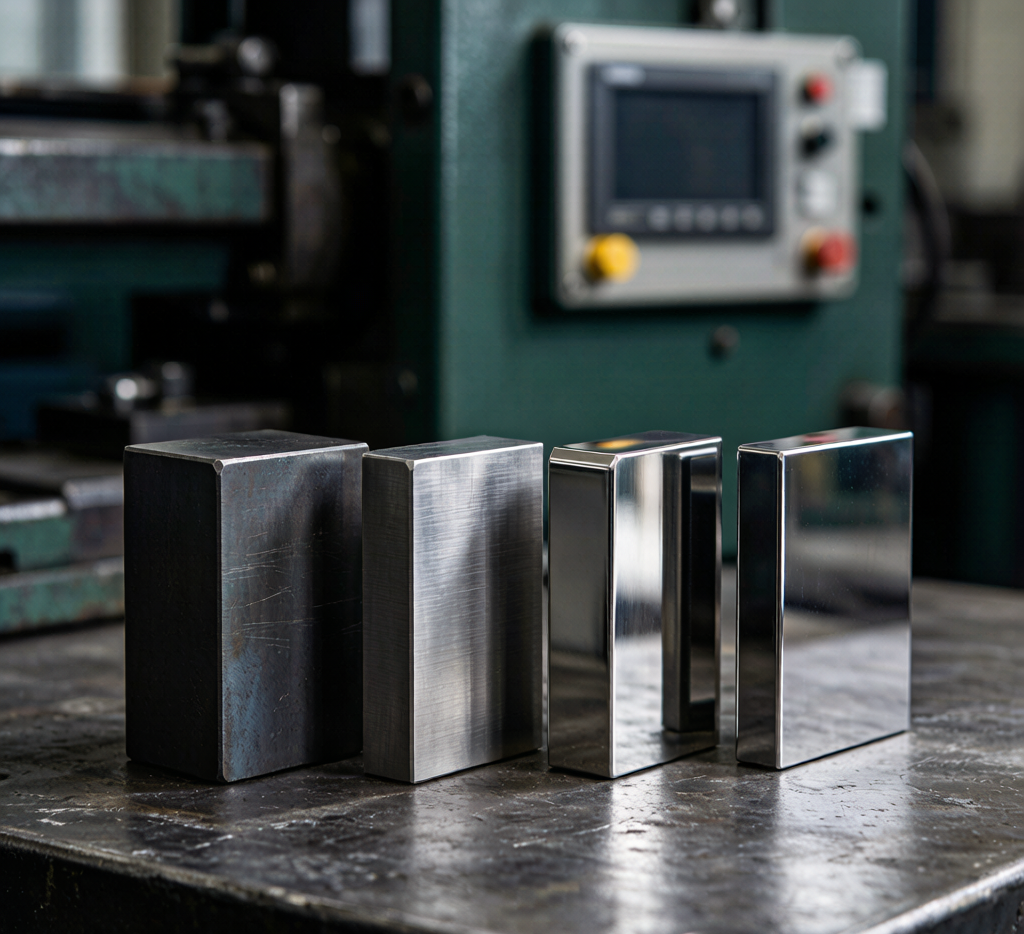
Carbon steel is an iron-carbon alloy containing up to about 2.1% carbon, with only trace amounts of other alloying elements (typically under 1% combined manganese, silicon, sulfur, and phosphorus). Its properties are controlled primarily by carbon content:
- Low carbon (< 0.30% C): easy to weld and form; used for structural shapes, pipes, sheets.
- Medium carbon (0.30-0.60% C): higher strength; used for shafts, gears, forgings.
- High carbon (0.60-1.00% C): very hard and wear-resistant; used for springs, tools, wire.
Because it has almost no chromium, carbon steel is inexpensive but vulnerable to rust when exposed to moisture and oxygen.
What Is Stainless Steel?
Stainless steel is a family of iron alloys containing at least 10.5% chromium, which forms a passive, self-healing oxide layer on the surface that prevents rust. Common grades add nickel (304/316), molybdenum (316), or rely on lower nickel with higher manganese (201/430).
The chromium-rich passive film is what gives stainless steel its signature corrosion resistance — but it comes at a significant material cost premium over carbon steel.
1. Chemical Composition
The defining difference is chromium. Carbon steel contains essentially none (0-0.1%), while stainless steel must contain at least 10.5% chromium by mass. Stainless grades also typically include 8-14% nickel (austenitic 304/316) and sometimes molybdenum. Carbon steel’s properties hinge on carbon content; stainless steel’s hinge on the chromium-nickel matrix.
| Element | Carbon Steel (A36) | Stainless 304 | Stainless 316 |
|---|---|---|---|
| Chromium | 0% | 18-20% | 16-18% |
| Nickel | 0% | 8-10.5% | 10-14% |
| Carbon | 0.26% max | 0.08% max | 0.08% max |
| Molybdenum | 0% | 0% | 2-3% |
2. Corrosion Resistance
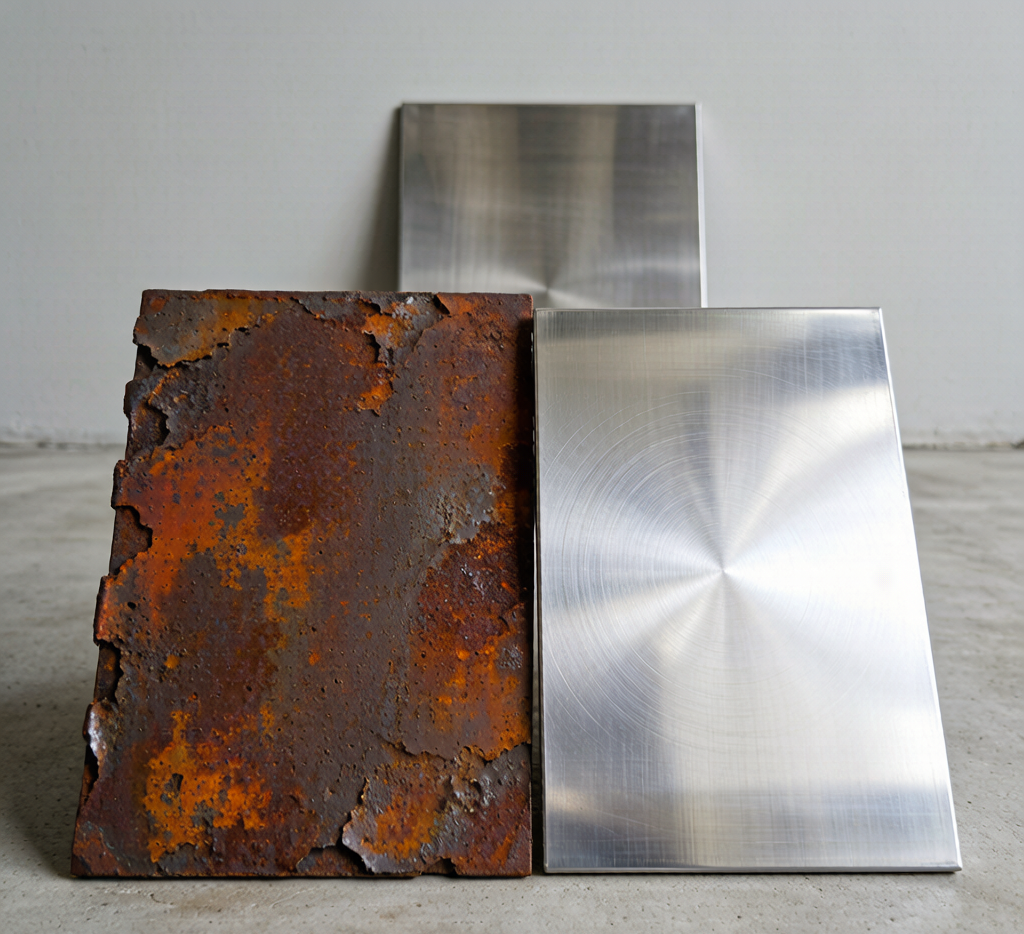
This is the headline difference. Carbon steel rusts readily in humid, marine, or chemically aggressive environments without protective coating. Stainless steel resists corrosion in most atmospheric, food, and mild chemical environments thanks to its passive layer. Grade 316 with molybdenum extends resistance to chlorides (coastal, de-icing salts).
Buyer takeaway: If the part lives outdoors, in water, or in food/pharma service and cannot be easily maintained, stainless usually wins. If it will be painted, galvanized, or used in dry indoor structural roles, carbon steel is far more economical.
3. Strength and Hardness
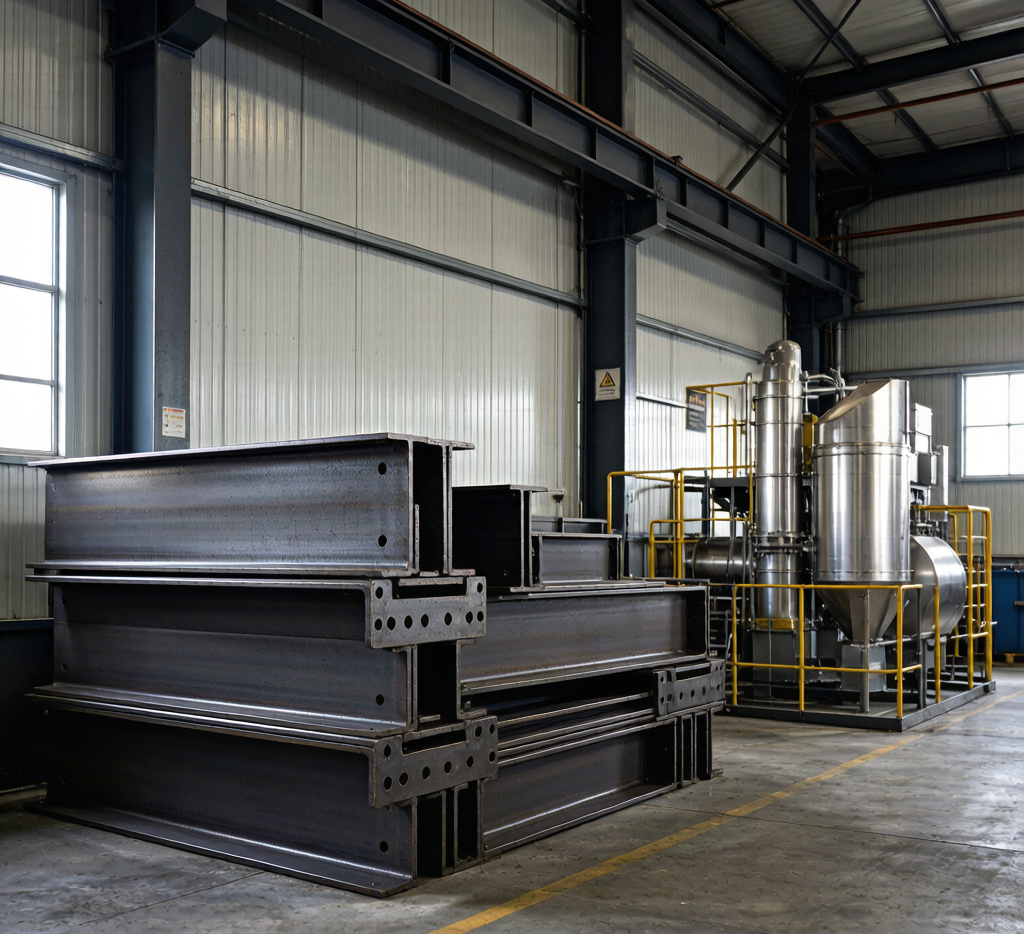
Carbon steel offers a broader strength range because heat treatment responds strongly to carbon content. High-carbon and alloy carbon steels can reach 60+ HRC after quenching. Stainless steels are generally lower in as-supplied hardness but offer excellent toughness. Precipitation-hardening and martensitic (410, 420, 17-4PH) stainless grades close the gap for demanding applications.
| Property | Carbon Steel A36 | Stainless 304 |
|---|---|---|
| Tensile strength | 400-550 MPa | 515-720 MPa |
| Yield strength | 250 MPa min | 205 MPa min |
| Hardness | up to ~200 HB | ~150-200 HB (annealed) |
4. Cost and Availability
Carbon steel typically costs 40-70% less than comparable stainless steel by weight, and sometimes far more for high-nickel 316. Carbon steel is also available in a vastly wider range of stock shapes and sizes (the entire structural and pipeline catalog). When budget is the constraint and corrosion is manageable, carbon steel is the default.
5. Weldability
Low- and medium-carbon steels weld easily with standard processes (SMAW, GMAW, GTAW). High-carbon steel needs preheat and post-weld heat treatment to avoid cracking. Austenitic stainless (304/316) welds well but requires low heat input and proper filler to prevent sensitization and carbide precipitation. Ferritic and martensitic grades need more care.
6. Machinability
Carbon steel machines predictably and is available in free-machining grades (e.g., 12L14 with lead/sulfur) that turn and drill beautifully. Stainless steel work-hardens quickly, generates more heat, and wears tools faster, raising machining cost and cycle time. Free-machining stainless (303, 416) exists but costs more.
7. Appearance and Maintenance
Stainless steel keeps a bright, hygienic appearance with minimal upkeep — ideal for architectural, food, and decorative use. Carbon steel needs coatings (paint, galvanizing, powder coat) to stay presentable and protected, and those coatings require periodic inspection and touch-up.
Which Should You Choose?
Use this quick rule of thumb:
- Choose carbon steel for structural frames, pipelines, machinery bases, fasteners, and any application where cost dominates and corrosion can be managed with coating.
- Choose stainless steel for food processing, pharmaceuticals, marine hardware, outdoor architectural features, and corrosive chemical service.
Frequently Asked Questions
Is carbon steel stronger than stainless steel?
Not necessarily. Stainless 304 has higher tensile strength than A36 carbon steel, but heat-treated high-carbon steel can exceed most stainless in hardness. The right choice depends on the loading and heat-treatment condition.
Can carbon steel be made rust-proof?
No material is truly rust-proof, but carbon steel can be protected for decades with hot-dip galvanizing, proper paint systems, or VCI packaging during shipping. It will not match stainless in aggressive environments without maintenance.
Why is stainless steel so much more expensive?
The chromium and nickel content are costly alloying elements, and stainless processing (melting, controlled atmospheres, pickling) is more expensive than carbon steel production.
Source Carbon Steel Direct from the Mill
Huaxia-Steel supplies a full range of carbon steel plates, pipes, bars, and structural sections at competitive export pricing, with mill test certificates and flexible surface protection for overseas shipping. Contact our team for a quote tailored to your grade, dimensions, and destination.