Two mild-steel specifications come up constantly in structural and general-fabrication projects: ASTM A283 and ASTM A36. Both are low-carbon, weldable, structural-quality steels — but they are not interchangeable, and confusing them can cause specification rejections or unnecessary cost.
This guide compares ASTM A283 vs A36 carbon steel across chemistry, mechanical properties, plate thickness limits, applications, and price — so you can specify the right grade with confidence.
Overview: What Each Grade Is
ASTM A36 is the most widely used structural steel in North America. It is specified by mechanical properties (yield and tensile) with a maximum carbon cap, and it covers a broad range of shapes — plates, bars, beams, and sections.
ASTM A283 is a carbon steel plate specification for low- and intermediate-tensile strength applications. It comes in four strength classes (A, B, C, D) and is plate-only.
Chemical Composition Comparison
Element (max)
A36
A283 Gr C
A283 Gr D
Carbon
0.26%
0.24%
0.27%
Manganese
—
0.90%
0.90%
Phosphorus
0.040%
0.035%
0.035%
Sulfur
0.050%
0.040%
0.040%
Chemically the grades are similar low-carbon steels; the practical difference is in mandated mechanical minimums.
Mechanical Properties Comparison
Property (min)
A36
A283 Gr C
A283 Gr D
Yield strength
250 MPa (36 ksi)
205 MPa (30 ksi)
230 MPa (33 ksi)
Tensile strength
400-550 MPa
380-515 MPa
415-550 MPa
Elongation
20% (200mm)
23-27%
21-25%
A36 has the highest yield requirement, which is why it dominates structural design codes. A283 grades have lower minimum yields and are often used where the design does not demand A36’s strength.
Key Differences at a Glance
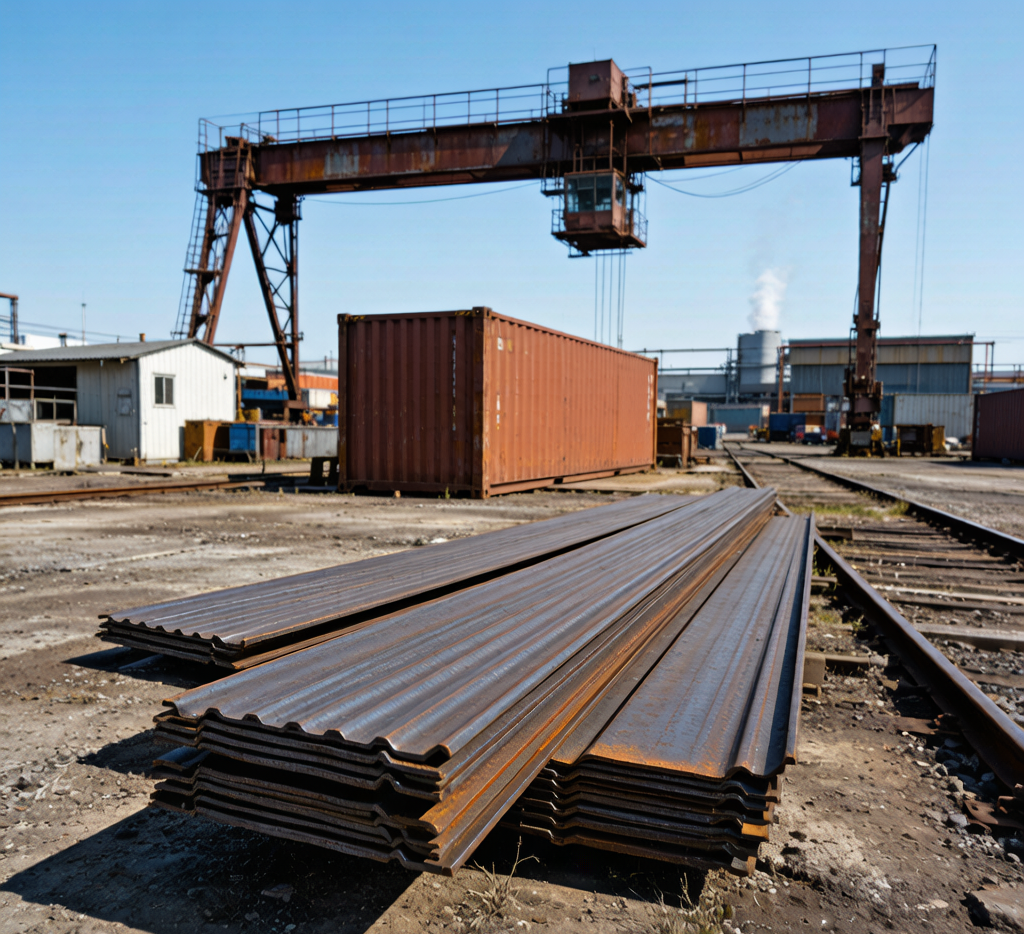
Product form: A36 covers plates, bars, and structural shapes; A283 is plate-only.
Specification basis: A36 is property-driven; A283 is a plate grade with class options.
Availability: A36 is stocked almost everywhere; A283 is more common in plate service and export.
Cost: A283 is frequently priced slightly lower than A36 for equivalent plate.
When to Choose A36
Choose A36 when your design references AISC, ASTM A992 companion structures, or any spec that names A36 explicitly — bridges, buildings, frames, and general structural fabrication. Its consistent 36 ksi yield is the industry baseline.
When to Choose A283
Choose A283 (typically Gr C or D) for tanks, bins, silos, liner plates, and non-critical structural plate where the full A36 yield is not required and cost matters. It welds and forms easily and is widely accepted in pressure-vessel and storage applications.
Weldability and Fabrication
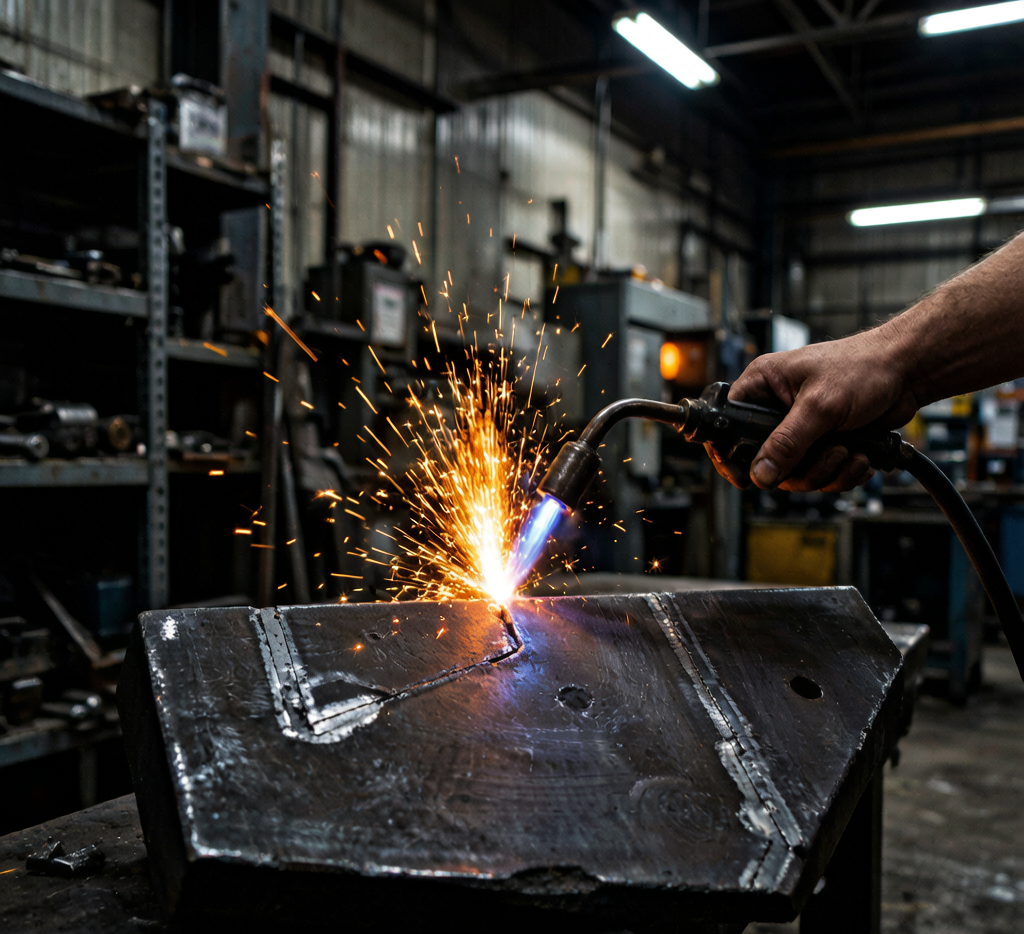
Both are low-carbon steels with excellent weldability using standard processes (SMAW, GMAW, FCAW). Preheat is generally unnecessary except in thick sections or cold environments. Either grade machines and drills readily.
International Equivalents
ASTM
Approx. EN
Approx. GB (China)
A36
S235JR
Q235B
A283 Gr C
S235JR
Q235B
A283 Gr D
S235J0
Q235C
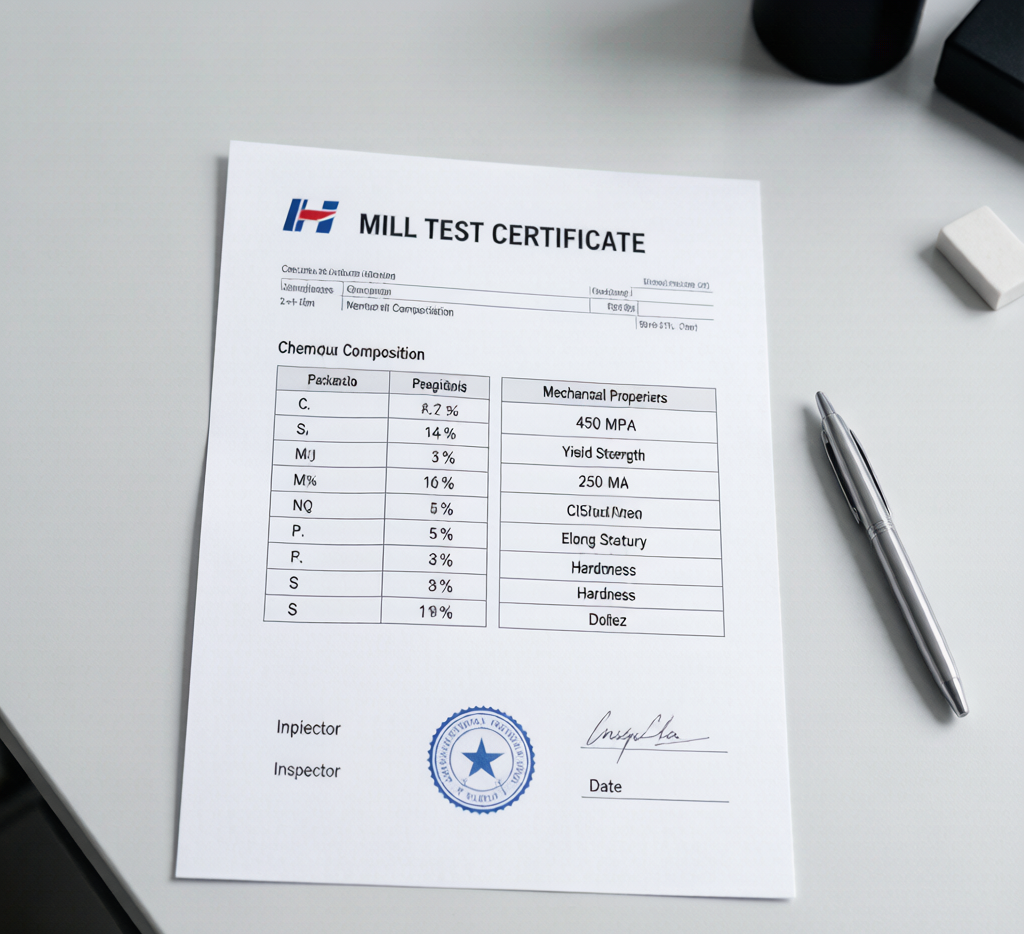
Buyers importing from China often see Q235B offered as the equivalent of both A36 and A283 Gr C — confirm the actual mechanical test values on the MTC before accepting.
Frequently Asked Questions
Can A283 be substituted for A36?
Only if the design’s required yield does not exceed the A283 class’s minimum. A283 Gr D (33 ksi) is closer to A36 (36 ksi) than Gr C (30 ksi). Always get engineering approval before substitution.
Which is better for welding?
Both weld equally well. Neither requires special consumables for ordinary structural joints.
Source A36 & A283 Plate from Huaxia-Steel
We supply ASTM A36, A283 Gr C/D, and Chinese equivalents (Q235B/C, S235JR) as plate and cut profiles, with full mill test certificates. Contact Huaxia-Steel for grade confirmation, pricing, and delivery to your port.
If you require further information about our metal sheet products or architectural projects, please don’t hesitate to leave your contact details and message here.
Our team of experts will respond within 24 hours to continue the discussion and provide you with any additional information you requires.