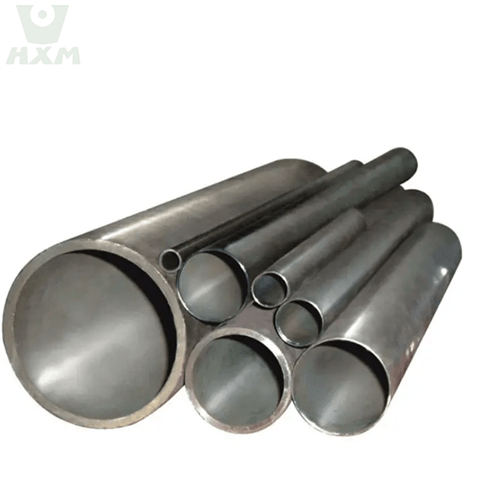
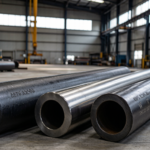
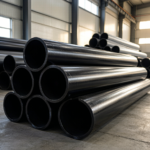
Seamless carbon steel pipe is quoted against two families of standards, and buyers mix them up constantly: ASTM A106 for refinery and power plant piping, API 5L for oil and gas transmission lines. On a price list both show up as “seamless carbon steel pipe, Gr. B”, often within a few percent of each other — but they are tested differently, certified differently, and substituting one for the other can void a code compliance file or fail a project audit. This guide compares ASTM A106 vs API 5L across scope, chemistry, testing and certification, and tells you exactly when each applies and when a substitution is defensible.
ASTM A106 in 60 Seconds
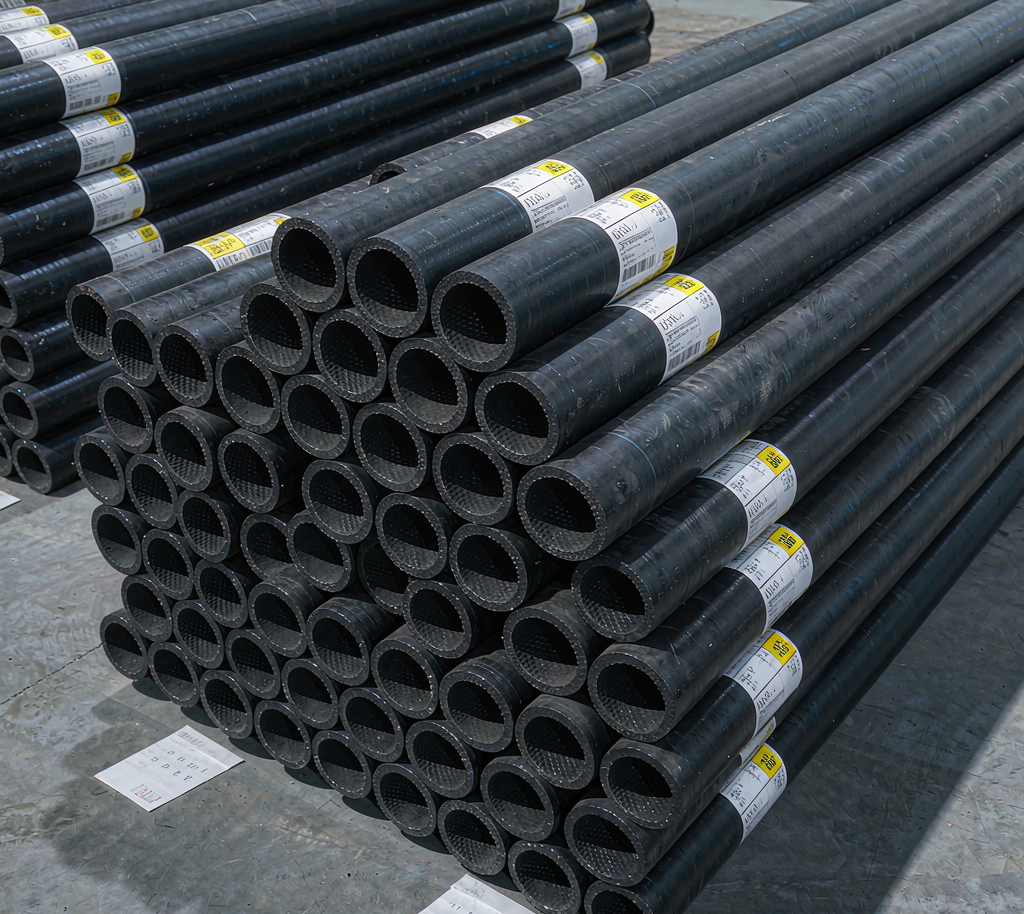
ASTM A106/A106M covers seamless carbon steel pipe for high-temperature service, typically in refineries, petrochemical plants and power stations designed to ASME B31.1 (power piping) or B31.3 (process piping). Three grades exist — A, B and C — with Grade B being the default for roughly 90% of procurement. Key anchors: Grade B requires 240 MPa minimum yield and 415 MPa minimum tensile; sizes run from NPS 1/8 through NPS 48; the standard mandates hot finished or cold drawn seamless manufacture and includes hydrostatic or nondestructive electric testing of every length.
A106 is an ASME Boiler Code-friendly material: when ordered as SA-106 (identical text adopted by ASME), it carries full code traceability for pressure parts. That certification chain — ladle analysis, tension test per heat, hydro test per length, EN 10204-style certificates — is the real product you are buying.
API 5L in 60 Seconds
API 5L is the line pipe standard of the American Petroleum Institute, covering pipe used to transport oil, gas and water across long distances. Unlike A106, API 5L embraces multiple manufacturing routes: seamless, ERW, LSAW and helical SSAW. It divides into PSL1 (basic) and PSL2 (enhanced), with PSL2 adding mandatory Charpy impact testing, maxima as well as minima on yield and tensile, a CEV cap that tightens with grade (0.25 for Grade B rising to about 0.43 for X60 and above under the IIW formula), and stricter NDE. Strength grades run from A25 and B up to X80.
Line pipe is ordered with a purchase specification, not just a grade: wall thickness class (standard vs special), end finish (plain, beveled, threaded), and supplementary requirements such as full-body UT, hydrotest at specified pressures, or fracture-arrest testing are all part of the API 5L buying culture.
Chemistry and Mechanical Comparison
| Item | ASTM A106 Gr. B | API 5L Gr. B (PSL2) |
|---|---|---|
| Manufacture | Seamless only | Seamless, ERW, LSAW, SSAW |
| Carbon (seamless) | ≤ 0.30% (ladle) | ≤ 0.22% (product, PSL2) |
| Manganese | 0.29–1.06% | ≤ 1.30% |
| Sulfur | ≤ 0.035% | ≤ 0.010% (PSL2) |
| Min yield | 240 MPa | 245 MPa (with max 450 MPa) |
| Min tensile | 415 MPa | 415 MPa (with max 760 MPa) |
| Charpy V-notch | Not mandatory | Mandatory for PSL2 |
| CEV limit | Not specified | ≤ 0.42–0.50 by grade (PSL2) |
| Design code fit | ASME B31.1 / B31.3, ASME I | ASME B31.4 / B31.8, DOT, pipeline projects |
Notice the pattern: API 5L PSL2 is chemically cleaner (much lower sulfur, capped carbon) and mechanically tighter (maxima plus minima, mandatory toughness), because a transmission line crack is catastrophic. A106 is optimized for sustained high temperature and code traceability rather than fracture control.
Five Differences That Matter in Purchasing
- Manufacturing routes: need ERW or LSAW for cost reasons? Only API 5L offers it; A106 is seamless-only. If your drawing says A106, ERW pipe cannot substitute regardless of tests.
- Temperature class: A106 carries rated high-temperature properties; API 5L is generally limited to lower design temperatures per B31.4/B31.8 tables. A steam line specified in A106 cannot switch to API 5L on test data alone.
- Toughness evidence: PSL2 CVN test reports are standard deliverables; for A106 you must invoke supplementary requirements if your project needs impact values.
- NDE depth: API 5L PSL2 requires UT or equivalent on the weld seam of welded pipe and heavier inspection regimes; A106 requires electric test (eddy current) or hydro per length — lighter for seamless.
- Certification language: refinery EPCs ask for “SA-106 Gr. B per ASME II” certs; pipeline contractors ask for “API 5L PSL2 with mill name, heat numbers and mill test reports per API Q1”. Ordering the wrong wording triggers re-certification cycles.
When Substitution Is (and Is Not) Defensible
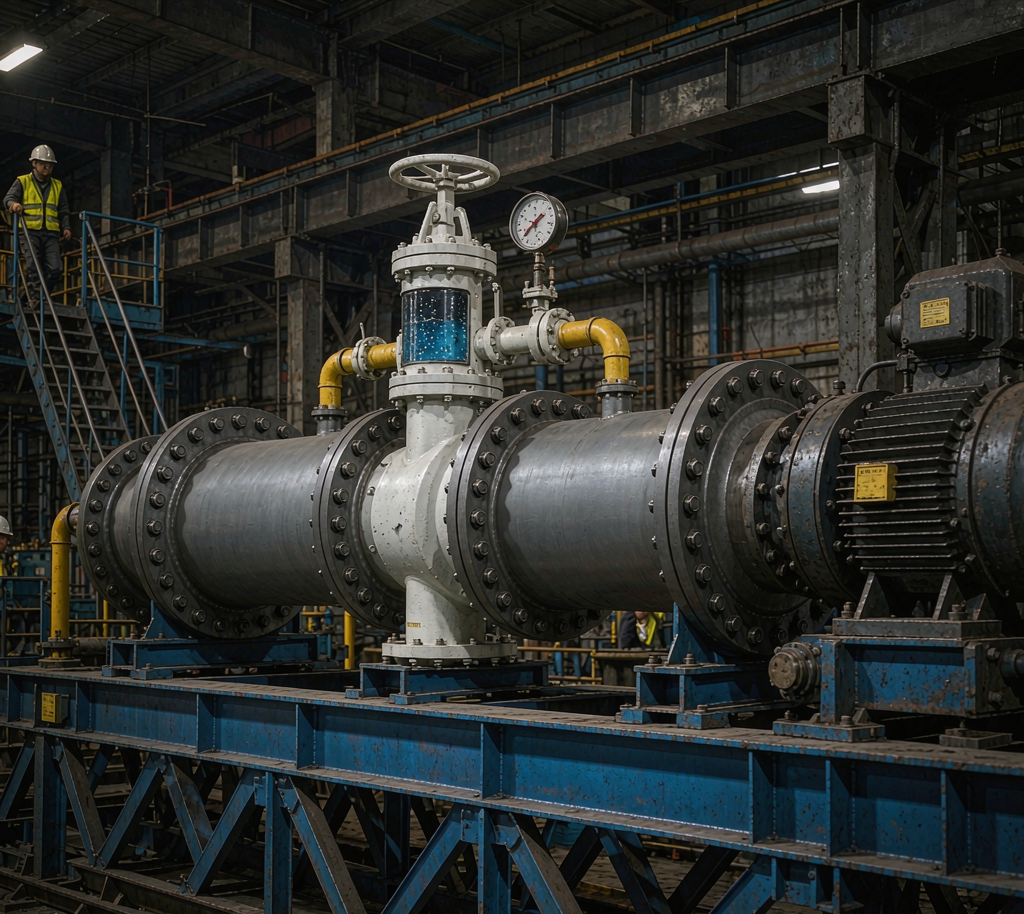
Substituting API 5L PSL2 Gr. B seamless for A106 Gr. B is the most common case. It is frequently accepted for non-code or low-temperature-pressure utility systems because the chemistries and strength overlap, but for ASME code work the substitution must be approved by the engineer — A106 is the listed code material, API 5L is not (except via specific code cases). Going the other way, A106 for a transmission pipeline, is almost never acceptable because PSL2 mandates toughness and clean steel that A106 does not guarantee.
Practical rule for importers: match the standard to the end use, not to the cheapest quote. If your client is a refinery, A106 (or SA-106) wins. If your client is a pipeline EPC or gas utility, API 5L PSL2 wins. When a trader offers “A106 equivalent API 5L Gr. B at a better price”, ask three questions: seamless or welded? PSL1 or PSL2? Can the MTC show both dual certification and the actual heat analysis?
How to Verify A106 / API 5L Pipe Before Shipment
- Check marking: stenciled grade, size, schedule, heat number, standard, manufacturer mark — all matching the MTC.
- Match heat numbers pipe-by-pipe to the mill test report; reject mixed heats without separate certs.
- Verify hydrotest pressures on the MTC against the standard formula for your size and schedule.
- For PSL2, confirm CVN values at the specified test temperature meet the required energy.
- Dimension check: OD, wall and ovality per the standard’s tolerance table; bevel angle 30° +5/−0° per API 5L unless specified otherwise.
Frequently Asked Questions
Is API 5L Grade B the same strength as A106 Grade B?
Essentially yes on minimums: both specify 240–245 MPa yield and 415 MPa tensile. But PSL2 adds maximums and mandatory impact testing, and A106 adds high-temperature ratings — so equal strength does not mean equal acceptability.
Can API 5L pipe be seamless?
Yes. API 5L covers seamless, ERW, LSAW and SSAW. When you order “API 5L seamless Gr. B PSL2”, you get seamless manufacture plus PSL2 testing — the usual choice for high-pressure gas laterals.
What does PSL1 vs PSL2 mean in one sentence?
PSL1 is the basic quality level with minimum strength requirements only; PSL2 adds chemical ceilings, mandatory CVN toughness, CEV limits, maxima on strength and heavier NDE — roughly the difference between “good pipe” and “pipeline-grade pipe”.
Which standard should appear on my purchase order for a petrochemical plant?
If piping is designed to ASME B31.3 or the ASME Boiler Code, order A106/SA-106 Grade B seamless. Keep API 5L for the offsite transfer lines where the pipeline codes apply.
Grade Ladders Inside Each Standard
Within A106, the grade ladder is simple: Grade A (205 MPa yield, 330 MPa tensile) for low-stress lines, Grade B (240/415) as the default, Grade C (275/485) where higher design pressure or temperature demands more margin. Moving from B to C typically adds 3–6% to the pipe price and improves creep behavior at sustained temperatures above 400 °C.
API 5L’s ladder runs on “X” grades named by minimum yield in ksi: B (245 MPa), X42 (290), X46 (317), X52 (359), X56 (386), X60 (414), X65 (448), X70 (483) and beyond. Each step up usually requires cleaner steel, more controlled rolling (thermo-mechanical processing) and, on large diameters, a shift from seamless to ERW/LSAW for cost efficiency. For distribution-level work Gr. B and X42 dominate; transmission trunk lines use X60–X70.
| Parameter | A106 Gr. B | API 5L X42 PSL2 | API 5L X60 PSL2 |
|---|---|---|---|
| Min yield | 240 MPa | 290 MPa | 414 MPa |
| Min tensile | 415 MPa | 415 MPa | 517 MPa |
| CEV max | — | 0.29 approx. | 0.43 approx. |
| Typical use | Refinery piping | Gathering lines | Trunk transmission |
Size, Schedule and Price Drivers
Both standards cover the familiar size/schedule matrix, but availability differs. A106 seamless is stocked deepest in NPS 1/2–12 in Sch 40/80 (the plant piping heartland); above NPS 24, seamless production thinners and lead times stretch. API 5L shines in large diameter: NPS 16–56 wall thicknesses are cost-efficient as ERW or LSAW, while API 5L seamless concentrates in NPS 2–16. When your project mixes small plant piping with large transfer lines, splitting the BOM across the two standards matches each section to the cheapest compliant manufacturing route.
Price drivers in export quotations, in order of impact: base steel index (HRC/billet), size-schedule rarity, testing load (PSL2 CVN plus full-body UT adds 5–10%), bevel and end protection, and inspection logistics. Quotes that look 8% cheaper sometimes simply omit PSL2 testing — always compare like for like by listing “grade + PSL + manufacture + testing + end finish” on every offer.
Pre-Shipment Audit Checklist for Pipe Buyers
- Heat-by-heat traceability: every pipe stencil cross-checked to its heat number and MTC line; random verification with a handheld spectrometer.
- Dimensional sampling: OD, wall (min wall respected), ovality and straightness per standard tables; record worst values.
- NDE records: hydro test pressures and UT calibration reports reviewed by the inspector, not just the seller.
- Coating and bevel: bevel angle 30° (+5/−0), root face 1.6 ± 0.8 mm per API 5L unless drawing overrides; end protectors fitted.
- Documentation pack: MTCs, NDE reports, mill letters of certification, and — for code work — the ASME material approval evidence.
Frequently Asked Questions (continued)
What is the difference between SA-106 and A106?
The “SA” prefix means the identical ASTM text has been adopted by ASME for Boiler Code construction. Metallurgically the pipe is the same; the difference is the certification chain and whether your project’s code requires ASME-listed material.
Is ERW pipe weaker than seamless for API 5L PSL2?
Not when properly made. Modern high-frequency ERW to PSL2 receives full-body normalizing or local heat treatment and 100% seam UT, and its design factors are identical in the pipeline codes. The perception of weakness dates from decades-old plants; today’s PSL2 ERW is standard on major transmission projects.
How do I choose between X42 and X52 for a gas gathering line?
Let the hydraulic and wall-thickness design decide: higher grade allows thinner wall for the same pressure, saving steel and weld time but raising unit price and CVN requirements. Below about 8 MPa design pressure, Gr. B or X42 usually wins on total installed cost.
Documentation Package: What Each Standard Delivers
| Document | A106 Gr. B | API 5L PSL2 |
|---|---|---|
| Mill test certificate type | EN 10204 3.1 or ASTM-equivalent | EN 10204 3.1; 3.2 via third party common |
| Ladle + product analysis | Ladle required | Ladle plus product analysis per heat |
| Tensile per heat | Yes | Yes, with maxima checked |
| Charpy V-notch | On request | Mandatory per heat/lot |
| NDT report | Hydro or eddy current per length | Full-body UT/weld seam UT plus hydro |
| Marking | Standard, grade, size, heat | API monogram permitted, PSL, grade, process |
| Traceability | Heat to pipe | Heat plus pipe sequence and joining data |
For code projects the documentation package is as important as the steel: an incomplete MTC can hold a shipment at customs or trigger a re-test at your cost. State the certificate type, language and the exact content list in the purchase order before production starts.
Six Ordering Mistakes Seen in Export Trade
- Ordering “A106 equivalent” and receiving welded pipe — A106 is seamless by definition; check manufacture route on the cert.
- Dropping PSL2 to save money on a project whose specification requires toughness; the saving disappears at the rejection stage.
- Omitting end finish — plain, beveled or threaded ends materially change price and site labour.
- Skipping wall thickness basis — minimum wall versus nominal wall ordering changes weight and pressure rating.
- Mixing standards on one line item — one BOM line should carry one standard, one grade, one PSL.
- Not naming inspection — if you want SGS/BV witnessed testing, say so in the PO, not after production.
Our commercial team reviews every incoming specification against these six points and flags conflicts before the order is accepted — a ten-minute check that has prevented more than one costly mis-delivery for our clients.
Temperature Envelope and Wall Thickness Selection
A106 is the high-temperature material: ASME B31.3 stress tables run its allowable stress up to about 425 °C (with oxidation limits above ~540 °C), which is why it fills refinery and boiler-house piping. API 5L has no such high-temperature rating program — pipeline codes limit design temperatures generally to 120 °C or below, with derating above that. If your line carries steam, hot oil or flue gas, A106 is the natural selection; if it carries crude, gas or water at ambient temperature, API 5L is built for that duty.
On wall thickness, remember the ordering basis. Line pipe is bought to nominal wall (with a −8% to −12.5% manufacturing tolerance depending on route and standard), while A106 is commonly ordered by weight class: STD, XS, XXS or by schedule. When pressure design is tight, order to minimum wall thickness and state it explicitly; the extra check costs nothing but removes the failure mode where a nominal-wall pipe passes inspection and falls below design thickness after threading or bending.
Inspection and Acceptance: What to Check at the Mill
Whether you send your own inspector or commission SGS, BV or TUV, the pre-shipment routine is the same and takes one to two days for a container-sized order. Start with document review: match every pipe stencil to its heat number on the MTC, confirm the standard revision year and PSL designation, and check that hydrotest pressures follow the standard’s formula for your size and schedule. Move to physical checks: OD and wall thickness on at least 10% of lengths with a calibrated ultrasonic gauge, ovality and straightness, bevel geometry and end squareness, surface condition (no laps, cracks, scabs or deep pitting beyond the standard’s dressing allowance), and internal cleanliness free of scale and debris. Finish with coating, end protection and marking verification, plus photographic evidence of the loaded container before sealing.
Inspectors also confirm the mill’s measurement equipment calibration dates — a detail that seems pedantic until a dispute over dimensional rejection lands in arbitration. We welcome witnessed inspection at any of our partner mills and provide the full document pack in English, including the standard’s tolerance references for each measured dimension.
Two Decades of Specification Drift: What Changed
Buyers who have been in the trade for twenty years remember when “Gr. B seamless” was a single product regardless of standard. Three things ended that. First, the pipeline industry’s push toward PSL2 after several high-profile line failures made toughness testing non-negotiable, dragging quality expectations up across the board. Second, the globalization of EPC projects meant a specification written in Houston is now audited in Shanghai, and auditors check the exact standard revision. Third, manufacturing itself changed: modern high-frequency ERW and JCOE LSAW mills produce welded pipe that outperforms older seamless product on dimensional consistency, so the “seamless is always better” assumption no longer holds automatically — which is precisely why the standard and PSL line on your PO carries more weight than the grade name.
The practical consequence: an RFQ that names only “carbon steel pipe Gr. B seamless” now receives quotes spanning a 15% price range, because each bidder is pricing a different testing and documentation package. Naming the standard, PSL, manufacture route, end finish and NDT list is the only way to make bids truly comparable.
Source Verified A106 and API 5L Seamless Pipe
Huaxia-Steel exports ASTM A106 Gr. B/Gr. C and API 5L Gr. B–X52 seamless pipe from audited mills, with full heat-number traceability, EN 10204 3.1/3.2 certificates, optional SGS/BV inspection and beveled or plain ends to your specification. Send your size list (OD × WT × grade × standard) for a same-week quotation with FOB/CIF options.