ASTM A108 vs EN 10277 Cold Finished Carbon Steel Bar
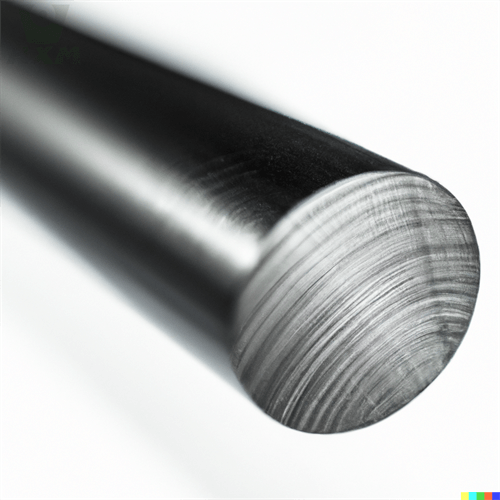
Cold finished carbon steel bars are the starting point for precision shafts, pins, bolts, and machined components. Buyers in North America usually specify ASTM A108, while European buyers ask for EN 10277. Although both standards cover cold-drawn or cold-finished bars, their grade names, tolerance classes, and delivery conditions are not interchangeable.
This guide compares ASTM A108 vs EN 10277 cold finished carbon steel bar standards so you can write a clear RFQ and avoid receiving the wrong material from a Chinese supplier.
1. Scope of Each Standard
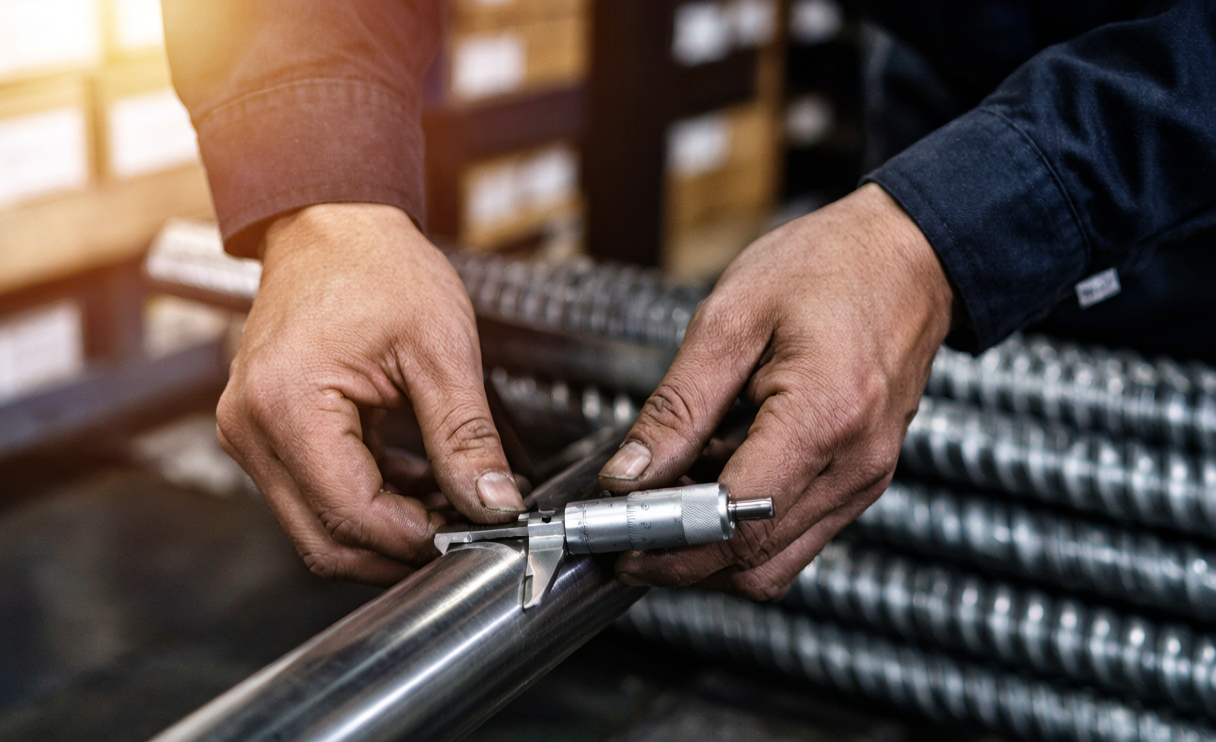
- ASTM A108 – Standard specification for steel bar, carbon and alloy, cold-finished. Covers cold-drawn, turned, ground, and polished bars in a wide range of grades.
- EN 10277 – Bright steel products – Technical delivery conditions. Divided into parts for general technical delivery conditions (Part 1), steels for general engineering (Part 2), free-cutting steels (Part 3), case-hardening steels (Part 4), and steels for quenching and tempering (Part 5).
2. Common Grade Cross-Reference
| ASTM A108 | EN 10277 nearest | Carbon range | Typical use |
|---|---|---|---|
| 1018 | C15 / C15E | 0.14–0.20% | Low-strength shafts, pins |
| 1045 | C45 / C45E | 0.42–0.50% | Axles, bolts, gears |
| 12L14 | 11SMnPb30 | ~0.14% | High-speed machining |
| 4140 (alloy) | 42CrMo4 | 0.38–0.43% | Heavy-duty shafts |
3. Delivery Conditions
EN 10277 uses suffix letters that describe the thermal and surface condition:
- +C – Cold drawn / cold rolled
- +SH – Peeled and burnished
- +SL – Peeled and turned
- +A – Soft annealed
ASTM A108 relies more on purchase-order notes: cold-drawn, turned, ground, polished, or any combination. Buyers should explicitly state the required surface finish and straightness.
4. Dimensional Tolerances
| Standard | Tolerance class | Typical diameter tolerance |
|---|---|---|
| ASTM A108 cold drawn | Standard | h11 (≈ 0.09 mm at 25 mm) |
| EN 10277 | h7, h8, h9, h10, h11 | Buyers specify on order |
| ASTM A108 turned/polished | Precision | h9 or better |
5. Certification and Testing
Both standards accept mill test certificates. For structural or safety-critical parts, request EN 10204 3.1 or 3.2. Chinese mills usually provide 3.1 certificates with chemical composition, tensile test, and hardness. Impact testing is not normally required for cold-finished bars unless the grade itself demands it.
6. Sourcing from China
When sourcing ASTM A108 vs EN 10277 cold finished carbon steel bar from China, specify:
- Exact standard and grade, including EN delivery condition suffix if applicable.
- Diameter, length, straightness, and tolerance class.
- Surface finish: black, peeled, turned, ground, or polished.
- Certificate type and any additional tests.
- Application or end-use to help the supplier suggest an equivalent if stock is limited.
FAQ
Can I substitute ASTM A108 1045 with EN 10277 C45?
For many mechanical applications, yes. Always verify tensile strength, hardness, and tolerance class match your drawing.
Which standard has tighter tolerances?
EN 10277 lets the buyer specify h7, h8, etc. ASTM A108 default tolerances are similar to h11 unless precision grades are ordered.
Are Chinese cold finished bars certified?
Leading exporters provide EN 10204 3.1 or 3.2 certificates. Smaller traders may only offer commercial invoices.
Does EN 10277 cover free-cutting steel?
Yes, in Part 3 (free-cutting steels such as 11SMn30 and 11SMnPb30).
Conclusion
ASTM A108 and EN 10277 both serve the cold-finished carbon steel bar market, but their terminology and tolerance systems differ. ASTM A108 is grade-centric; EN 10277 is delivery-condition-centric. Choose the standard your customer recognizes, specify tolerances explicitly, and always request a mill certificate when importing from China.
Need ASTM A108 or EN 10277 cold finished bars? Huaxia-Steel supplies 1018, 1045, C45, C15, and free-cutting grades with bright turned, peeled, or ground finishes.
Related Images