ASTM A53 Carbon Steel Pipe Specification Explained for Buyers
Introduction: What ASTM A53 Covers
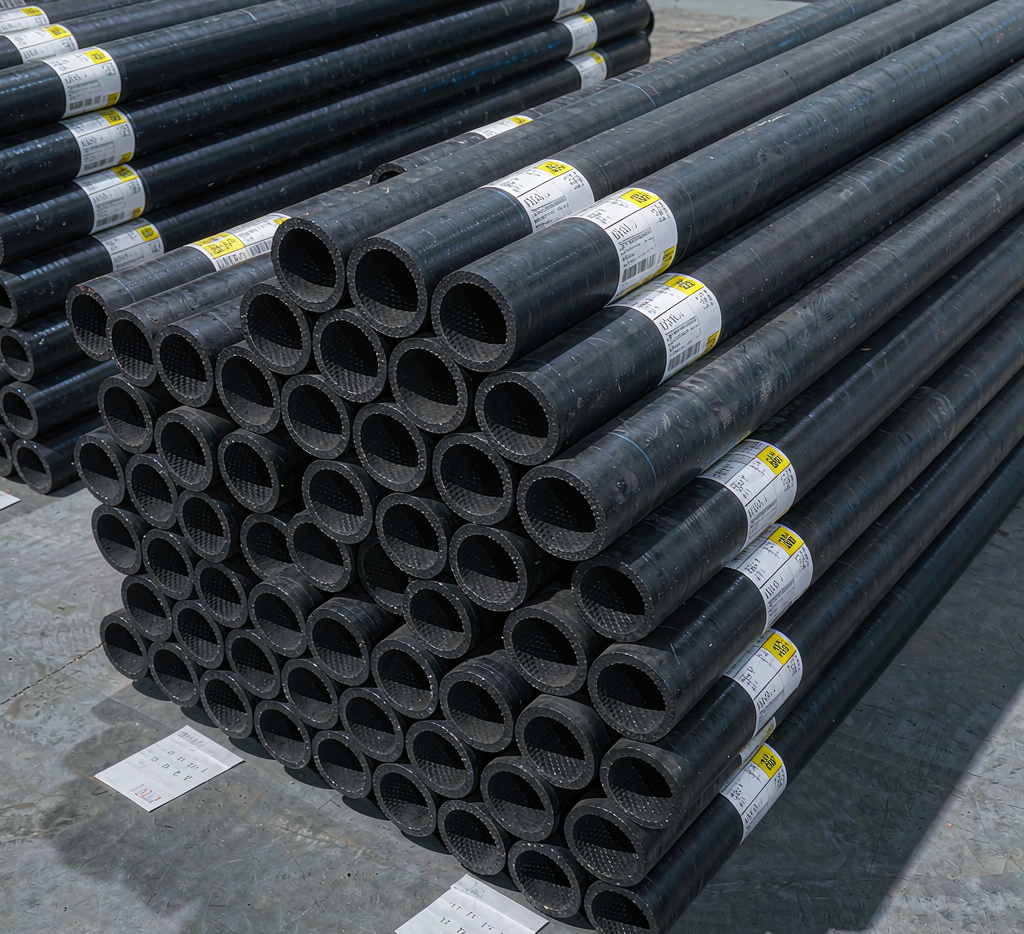
ASTM A53 is the most widely referenced specification for welded and seamless carbon steel pipe used in mechanical and pressure applications. It covers nominal pipe sizes from NPS 1/8″ to NPS 26″, includes two grades (A and B), and allows three types of pipe: Type F (furnace butt-welded), Type E (electric-resistance welded), and Type S (seamless). If you buy carbon steel pipe in North America or for projects that follow ASTM/ASME codes, you will almost certainly quote A53.
This guide explains the grade differences, schedules and dimensions, manufacturing requirements, testing, coatings, and common ordering mistakes so you can specify A53 pipe correctly on your next RFQ.
1. Grade A vs Grade B
Property
ASTM A53 Grade A
ASTM A53 Grade B
Tensile strength
≥ 330 MPa (48 ksi)
≥ 415 MPa (60 ksi)
Yield strength
≥ 205 MPa (30 ksi)
≥ 240 MPa (35 ksi)
Carbon max
0.25%
0.30%
Manganese
0.95% max
1.20% max
Common use
Low pressure, structural, fire protection
Pressure, process, steam, oil & gas
Grade B is the default choice for pressure piping and is the grade most export mills stock. Grade A is cheaper and acceptable for structural, fire protection, and low-pressure water lines. Never substitute Grade A where the specification calls for Grade B — the strength difference is significant.
2. Dimensions and Schedules
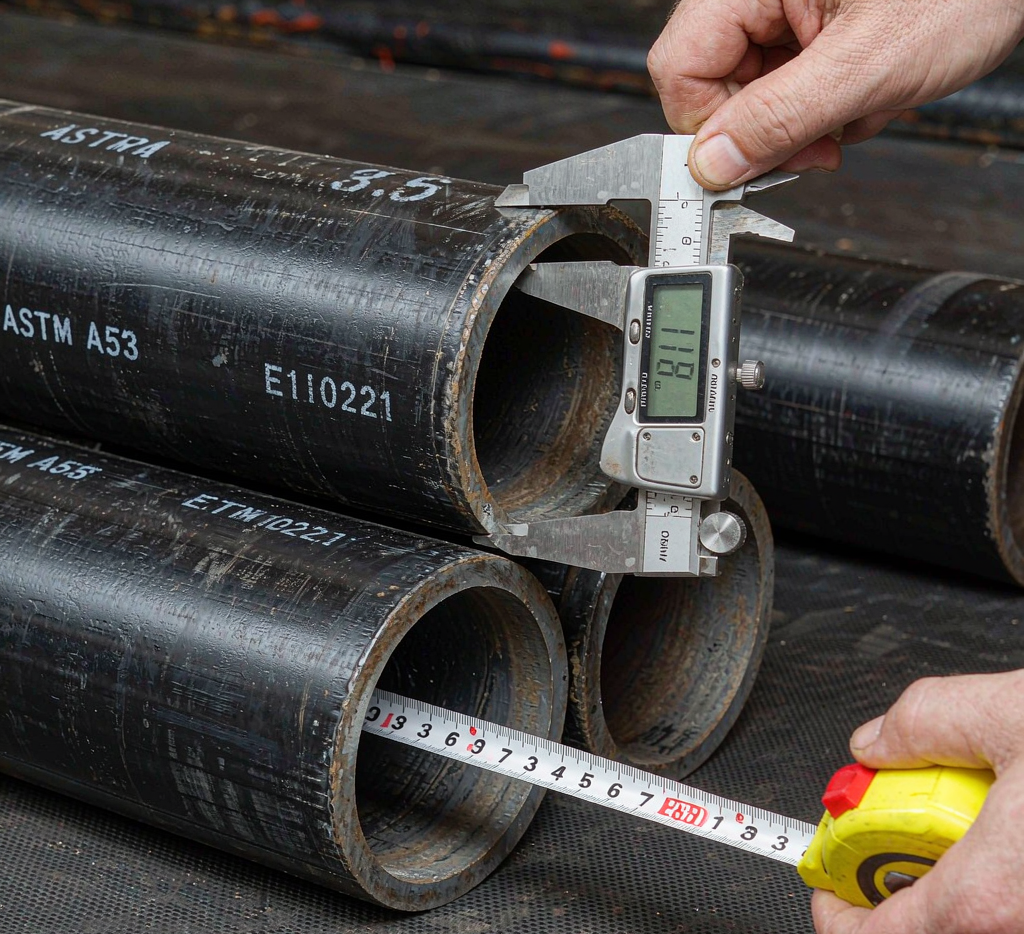
ASTM A53 pipe is specified by nominal pipe size (NPS) and wall thickness schedule (Sch). The schedule determines the wall thickness at a given NPS; it does not change the outside diameter. Common schedules include Sch 10, Sch 40, Sch 80, Sch 160, STD, XS, and XXS.
NPS
OD (mm)
Sch 40 WT (mm)
Sch 80 WT (mm)
1/2″
21.3
2.77
3.73
1″
33.4
3.38
4.55
2″
60.3
3.91
5.54
4″
114.3
6.02
8.56
6″
168.3
7.11
10.97
8″
219.1
8.18
12.70
Always quote both NPS and schedule. Quoting only “6 inch pipe” leaves the wall thickness open, and mills will default to the lightest available schedule that meets A53.
3. Manufacturing and Weld Seam Requirements
Type F: furnace butt-welded, continuous weld. Limited to Grade A, NPS 1/4″ – 12″. Not for high-pressure or high-temperature service.
Type E: electric-resistance welded (ERW) from strip coil. Available in Grade A and B, NPS 2″ – 24″. Weld seam must be heat-treated and hydrostatically tested.
Type S: seamless, produced from billet. Available in Grade A and B, NPS 1/8″ – 26″. No longitudinal weld; preferred for pressure and close coiling.
For pressure or dynamic service, specify Type E with supplementary non-destructive examination (NDE) or Type S seamless. Structural applications can usually use Type E standard or Type F for smaller sizes.
4. Testing Requirements
Test
Requirement
Purpose
Hydrostatic test
Every length tested to a pressure based on wall
Leak integrity
Flattening test
Required for welded pipe
Weld ductility
Bend test
Required for Type F and some welded pipe
Ductility of weld
Tensile test
One per lot
Verify grade strength
Chemical analysis
Heat analysis
Confirm grade chemistry
5. Coatings and Finishes
Black: plain mill finish, no external coating. Most common for structural and mechanical pipe.
Galvanized: hot-dip zinc coated per ASTM A53/A53M requirements. Used for corrosion resistance in water, fire protection, and outdoor applications.
Oiled: light oil film for temporary rust protection during storage and sea freight.
Threaded and coupled: ends threaded per ANSI B1.20.1 and supplied with couplings for plumbing and fire lines.
6. Equivalent Standards
Standard
Grade
Notes
API 5L
Grade B
Often dual-certified with ASTM A53 Grade B
ASTM A106
Grade B
Seamless only, higher temperature service
EN 10255
S195T, S235T
European non-alloy steel tubes
GB/T 8163
10, 20
Chinese seamless pipe for liquid service
JIS G3452
SGP
Japanese standard for ordinary piping
7. Common Ordering Mistakes
Forgetting the type: Type E and Type S have very different pressure capability; specify which you need.
Quoting only NPS: without schedule, the wall thickness is undefined.
Ignoring end finish: specify plain end, beveled end, threaded, or grooved.
Mixing A53 and A106: A106 is for high-temperature service and has different chemistry and testing.
Frequently Asked Questions
1. What is the difference between ASTM A53 Type E and Type S?
Type E is electric-resistance welded from strip coil; Type S is seamless, pierced from solid billet. Type S has no longitudinal weld and is preferred for pressure, close coiling, and high-temperature service. Type E is cheaper and widely used for structural and low-pressure lines.
2. Can A53 Grade B pipe be used for steam?
For low-pressure steam, A53 Grade B Type S or Type E can be acceptable depending on the design code. For high-temperature steam, ASTM A106 Grade B is the more common choice because it is specifically tested for elevated-temperature service.
3. What schedule do I need for a fire protection line?
Sch 40 is the default for most fire sprinkler and standpipe systems. Always confirm with the local fire code and the project engineer.
4. Is A53 the same as API 5L Grade B?
API 5L Grade B and ASTM A53 Grade B have similar chemistry and strength, and many mills dual-certify the same pipe to both standards. However, API 5L has additional testing requirements for pipeline service.
5. How do I verify the wall thickness on delivery?
Use a calibrated ultrasonic thickness gauge or a pipe micrometer. Take at least four readings around the circumference at each end, and compare against the schedule table in ASTM A53 or the project specification.
Conclusion
ASTM A53 is a versatile and economical carbon steel pipe specification, but correct ordering requires specifying grade, type, NPS, schedule, end finish, and coating. Grade B Type E is the standard workhorse for pressure and structural use; Grade B Type S is the safer choice for critical pressure service. Always review the MTC to confirm grade, type, hydrotest, and chemistry.
If you require further information about our metal sheet products or architectural projects, please don’t hesitate to leave your contact details and message here.
Our team of experts will respond within 24 hours to continue the discussion and provide you with any additional information you requires.