ASTM A588 Corten Steel: Grades, Properties and Uses
1. What Is ASTM A588 Corten Steel?
ASTM A588, widely known by the trade name Corten (weathering steel), is a group of high-strength low-alloy steels that form a stable, rust-colored oxide layer when exposed to weather. That protective patina slows further corrosion, allowing the steel to be used unpainted in many outdoor structures. This article explains the A588 grades, their properties, equivalents and where they make sense for buyers and specifiers who want durable, low-maintenance structural steel.
Weathering steel has been used for decades in bridges, facades and public art because it removes the need for repainting while developing a distinctive appearance. Understanding how the patina forms, and where it does not, is essential to using A588 successfully rather than ending up with a continuously rusting, staining structure.
2. The Four Grades: A, B, C and K
| Grade | Typical form | Common use |
|---|---|---|
| A588 Grade A | Plates and bars | General weathering plate |
| A588 Grade B | Plates | Bridges, building facades |
| A588 Grade C | Plates | Structural weathering use |
| A588 Grade K | Plates | Thicker sections, weldments |
Grades A and B are the most commonly traded. Grade A covers both plate and bar forms; Grade B is plate-focused and widely stocked for bridge and architectural work. The grades differ mainly in chemical limits and thickness ranges rather than in the basic weathering concept, so the choice is usually driven by availability and the specific form your drawings require.
3. Chemical Composition
A588 is alloyed with small amounts of copper, chromium, nickel and sometimes phosphorus to promote the protective oxide. Typical limits include copper around 0.25-0.40%, chromium up to about 0.40-0.65%, and nickel up to roughly 0.40-0.75% depending on grade and thickness. Low sulfur and phosphorus controls keep the steel weldable. The exact values vary by grade and thickness band, so always read the certified composition on the mill test report rather than quoting a generic table.
Copper is the signature element: it is central to the protective patina mechanism and is why weathering steel should not be confused with ordinary carbon steel. If a certificate shows no deliberate copper addition, the steel will not weather as specified and should be rejected for a Corten application.
4. Mechanical Properties
| Property | A588 (typical, t <= 100 mm) |
|---|---|
| Yield strength | 345 MPa min |
| Tensile strength | 485 – 690 MPa |
| Elongation | 18% – 21% min |
| Thickness range | Plates 6 – 200 mm typical |
A588 delivers roughly the strength of S355/A572-class structural steel but with the added weathering benefit. Values shift with thickness; confirm the certified numbers for your ordered size rather than quoting generic tables. For design, use the thickness-dependent values from the actual mill certificate, because yield and tensile both decline as section thickness grows.
5. How Weathering Steel Forms Its Protective Patina
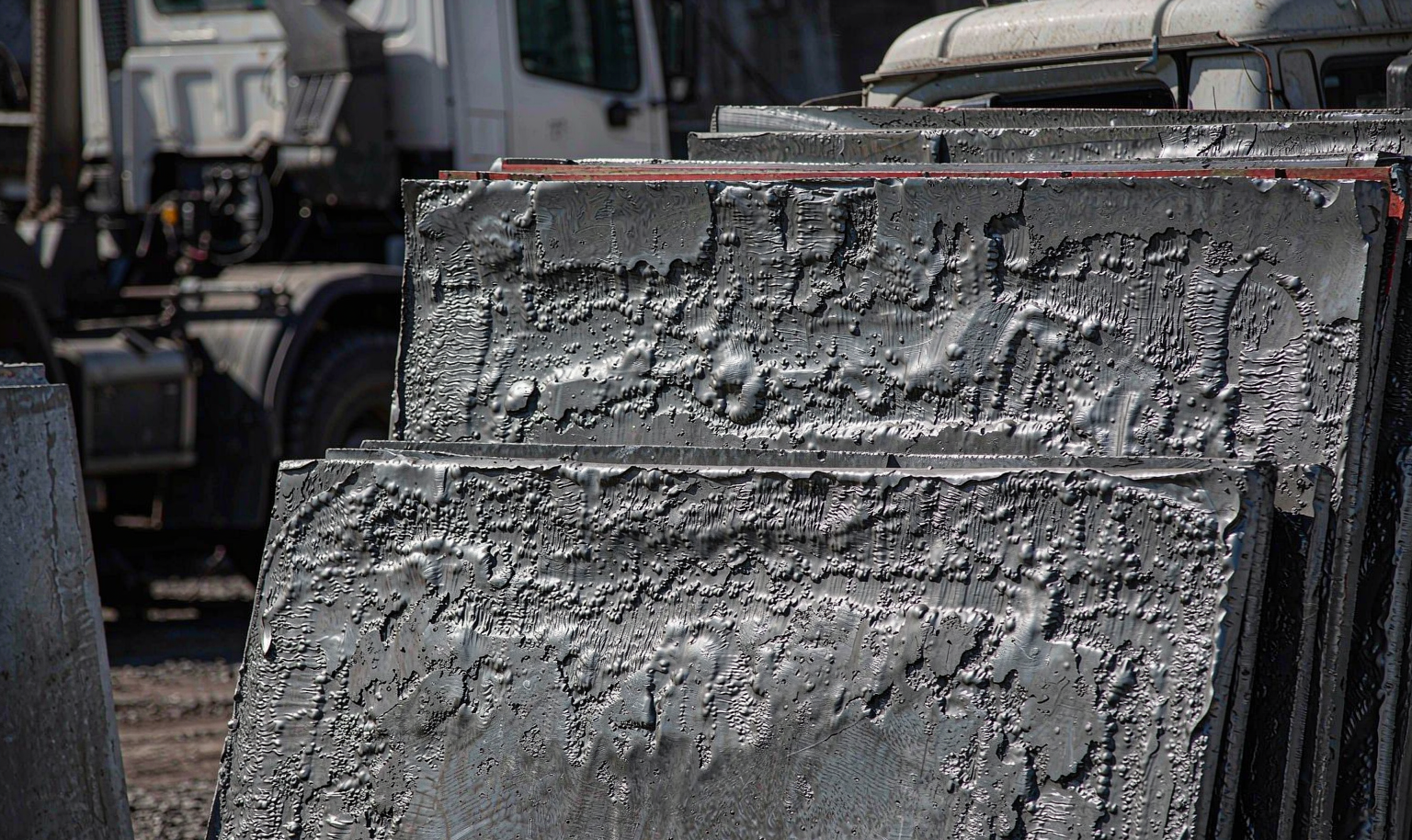
On ordinary steel, rust is porous and keeps advancing. In A588, the alloying elements drive the formation of a dense, adherent oxide (the familiar orange-brown patina) that seals the surface from oxygen and moisture. After a few months of wet-dry cycles the layer stabilizes and corrosion slows dramatically. The patina must be allowed to form in alternating wet and dry conditions; permanently submerged or constantly damp locations do not develop it properly and will keep corroding.
The initial run-off during patina formation can stain adjacent concrete or masonry, so detailing must control where water drains. This is a common real-world failure: a beautiful weathering-steel facade that stains the building below it because drainage was not planned. Good design keeps the run-off away from sensitive surfaces during the first year or two.
6. ASTM A588 vs A242 and A606
A242 is an older weathering steel standard now largely superseded in plate applications by A588. A606 covers weathering steel in sheet and coil (often used for siding and corrugated profile). For structural plate and bridge work, A588 is the specification buyers and engineers usually request; for thin architectural sheet, A606 is the relevant standard. Knowing which standard fits the form avoids ordering the wrong product family.
7. Equivalents and Cross-References
Common international weathering grades include EN 10025-5 S355J0W / S355J2W (European), GB/T 4171 Q355NH / Q355GNH (Chinese), and JIS G3114 SMA400 / SMA490 (Japanese). When a project names one system, the others can often be offered as equivalents, but confirm the mechanical and atmospheric-corrosion indexes match before substitution. Equivalent is not identical, and the patina color and rate can differ slightly between standards.
8. Common Applications
- Bridges and highway structures
- Building facades and curtain walls
- Sculptures and public art
- Transmission and lighting poles
- Containers and intermodal boxes
- Architectural cladding and screens
9. Design and Detailing Considerations
Weathering steel works best in designs that stay mostly dry between rains and allow drainage. Avoid trapped water, contact with dissimilar metals that cause galvanic attack, and continuous moisture such as soil contact or coastal salt spray unless a protective system is added. Bolted connections should use weathering-grade or stainless fasteners. Painting is optional but sometimes used in aggressive environments, and when paint is applied the surface preparation differs from ordinary steel because the patina must be stabilized first.
Detailing for inspection access also matters: because the steel is left exposed, welds and connections are visible for life, so workmanship standards should be agreed up front. Many owners choose A588 precisely for the honest, maintenance-light appearance, which makes clean fabrication even more important.
10. Procurement and Mill Certificate Tips
When ordering A588 for export, state the grade (A/B/C/K), thickness, dimensions, atmospheric-corrosion index if required, and the mill certificate type (EN 10204 3.1). Confirm the patina-forming alloy content is present in the chemistry and request third-party inspection (SGS, BV, TUV) for structural or bridge-critical orders. For architectural jobs, agree on the expected surface appearance since patina color varies with environment, and specify any acceptance limits for staining or uniformity.
Frequently Asked Questions
Is Corten the same as ASTM A588?
Corten is a brand name historically associated with weathering steel; ASTM A588 is the specification most often meant when buyers ask for Corten plate. Confirm the grade and standard on the order rather than relying on the trade name alone, and verify the copper content on the certificate.
Does A588 need painting?
Usually no; the weathering patina provides protection in appropriate environments. Painting is optional and mainly used in aggressive, perpetually wet or coastal settings where the patina will not stabilize. If you do paint, prepare the stabilized surface per the coating system’s instructions.
Can A588 be welded?
Yes. It welds with standard structural procedures; preheat depends on thickness and restraint. Because it is high-strength low-alloy, follow a qualified WPS and control hydrogen for thicker sections, and use weathering-compatible filler where the weld must match the patina.
What is the Chinese or European equivalent?
China: GB/T 4171 Q355NH/Q355GNH. Europe: EN 10025-5 S355J0W/S355J2W. Japan: JIS G3114 SMA400/SMA490. Confirm property and corrosion-index match before substituting, and note that patina appearance may vary between standards.
11. Typical Mill Certificate Values
For A588, the 3.1 certificate should show the ladle analysis including the deliberate copper, chromium and nickel additions that make the steel weather, plus yield, tensile and elongation for your thickness. If the copper line is missing or at trace level, question whether you actually received a weathering grade. Keep the certificate with the structure’s records; owners often need it decades later for maintenance planning, and a missing cert can complicate a future repainting decision.
12. Common Mistakes in Weathering-Steel Projects
- Using it in permanently wet or buried conditions
- Detailing that traps water and stains surroundings
- Mixing with ordinary steel fasteners (galvanic issue)
- Painting over an unstabilized patina
Most failures are detailing errors, not material defects. Plan drainage, choose compatible connections, and decide early whether the steel will be left bare or painted so the surface is prepared correctly from the start. A short design review with the fabricator before release prevents the most expensive mistakes.
13. Cost and Life-Cycle Considerations
A588 usually costs more per tonne than plain structural steel, but it removes recurring painting and maintenance over a long design life, often making it cheaper overall for bridges and exposed structures. Weigh the first cost against the saved repainting cycles, especially in remote or difficult-to-access locations where access scaffolding dominates the lifecycle bill. For a 50-year bridge, the avoided repainting alone can justify the premium several times over.
14. Patina Development Timeline and What to Expect
The protective patina does not appear overnight. In a typical temperate climate the steel first shows a bright orange oxide, then darkens through brown to a stable, darker weathering tone over roughly 18 to 30 months of wet-dry cycles. During the first year the run-off can stain anything below, which is why drainage planning matters. After stabilization the surface changes slowly and needs no intervention. Buyers should set owner expectations in writing so the temporary color shift is not mistaken for premature failure during construction handover.
15. Atmospheric Corrosion Index and Site Selection
Weathering steel performs best in rural and urban atmospheres with alternating wet and dry cycles, and less well in continuously wet, salt-laden coastal, or industrial-acid environments. Many standards classify corrosivity by an atmospheric-corrosion index; specify the index your site falls into so the supplier confirms the grade is appropriate. Where the index is severe, add a protective paint system or choose a different material rather than relying on a patina that will not stabilize. Matching grade to environment is the single decision that determines whether weathering steel pays off.
| Atmosphere | Typical behavior | Recommendation |
|---|---|---|
| Rural / urban | Excellent | Bare weathering steel |
| Industrial | Good with care | Bare or light paint |
| Coastal (salt) | Poor unless protected | Painted system advised |
| Permanently wet / buried | Unsuitable | Use coated or other grade |
16. Welding Consumables and Procedures
A588 welds with standard structural procedures, but for a matching patina the weld and heat-affected zone should weather similarly to the base metal. Use weathering-compatible filler metals where the joint will be left exposed, and follow a qualified WPS with hydrogen control on thicker sections. Preheat depends on thickness and restraint, typically modest at ordinary section sizes. Because the steel is left visible for its whole life, weld profile and spatter control also matter cosmetically, so agree workmanship acceptance with the fabricator before production starts.
17. Maintenance, Repair and Overcoating
Even bare weathering steel may need localized repair where the patina is damaged by abrasion or where drainage was imperfect. Clean the area, allow re-patination, and if the structure later needs painting, stabilize the surface first per the coating system instructions. For repainting decades later, the original mill certificate helps the engineer choose a compatible system. Planning maintenance at the design stage, rather than after staining appears, keeps the structure both attractive and durable.
18. Specifying A588 Correctly on the Order
Write the grade and class (A, B, C or K), the thickness and dimensions, the required atmospheric-corrosion index if the project defines one, and the certificate type (EN 10204 3.1). Confirm the deliberate copper, chromium and nickel additions appear in the chemistry, and request third-party inspection for bridge-critical work. State any appearance or staining acceptance limits for architectural jobs. A precise order line prevents the two classic errors: receiving ordinary steel without the weathering alloy, or receiving the right steel with no plan for its first-year run-off.
19. Fabrication Tolerances, Camber and Straightness
Weathering plate is ordered and fabricated to the same dimensional tolerances as ordinary structural plate, with thickness, flatness and edge squareness controlled to the relevant EN or ASTM standards. For bridge work, camber and sweep may be specified so the member fits the erection sequence without field correction. Because the steel is left exposed, surface waviness and edge quality are visible for the structure’s life, so agree acceptance limits with the fabricator before production. Tightening these only where the design needs them avoids paying for precision the job does not use.
20. Procurement Pitfalls Specific to Weathering Steel
- Assuming any ‘Corten’ label means certified A588
- Ignoring first-year run-off and staining below
- Using ordinary steel fasteners that galvanically attack the plate
- Specifying it for buried or permanently wet foundations
- Forgetting the patina color varies by environment
Every one of these is a specification or detailing gap rather than a material fault. Close them by naming the exact grade and standard, planning drainage, specifying weathering-compatible or stainless fasteners, restricting use to appropriate exposures, and agreeing the expected appearance with the owner. Doing so in the RFQ and the drawing review removes the surprises that give weathering steel a bad name when in fact the design was at fault.
21. Sustainability, Recycling and Material Passports
A588 is fully recyclable like any structural steel, and its long, low-maintenance life reduces the embodied energy of repeated repainting cycles over the structure’s service life. For owners pursuing green certification, the mill certificate and the avoided maintenance burden both support the credit file, and the steel can later re-enter the scrap stream without special handling. Keeping the original certificate as a material passport also helps a future owner make informed repair-or-replace decisions decades later, which is itself a sustainability advantage.
22. Working With Huaxia-Steel on A588 Projects
We supply A588 grade A and B plates with the weathering alloy chemistry verified on the 3.1 certificate, and we can arrange SGS, BV or TUV inspection for bridge and structural-critical orders. Our team helps you confirm the grade against your local equivalent, supplies span and corrosion-index data to support the design, and provides the coating and appearance guidance that keeps the first-year patina clean. Whether for a bridge, a facade or a sculpture, we return a firm quote with lead time and keep the documentation your auditor expects.
23. Weathering Steel in Art and Architecture
Beyond engineering, weathering steel is prized in architecture and public art for its evolving, warm-toned surface that needs no paint and ages gracefully. Facades, screens and sculptures use it precisely because the patina reads as honest and permanent. The same rules apply: control drainage so run-off does not stain the base, and let the surface stabilize before judging color. Architects often specify a particular patina target, so agree the expected appearance and any uniformity limits with the owner so the finished work matches the design intent rather than a generic rust look that disappoints at handover.
24. Long-Term Inspection and Monitoring
For bridges and other critical structures, periodic inspection confirms the patina remains stable and that no isolated corrosion has started at trapped-water details. Owners should photograph the structure at set intervals during the first two years to document patina development and catch any staining early. Because the steel is exposed, problems are visible and cheap to address if caught soon, whereas a painted structure can hide corrosion until it is advanced. A simple inspection log tied to the original mill certificate supports maintenance and any future repainting decision, and it protects the asset value over a multi-decade life.
Request a Quote for Carbon Steel
Huaxia-Steel supplies a full range of carbon steel products with mill test certificates, third-party inspection and flexible export terms (FOB, CIF, CFR, DDP). Tell us your grade, size and quantity, and our team will return a competitive quote with lead time within 24 hours. Email [email protected] or use the contact form to start your order.