Carbon Steel Customs Clearance Delays: Causes and Solutions for Importers
Carbon steel imports from China face increasing scrutiny at customs checkpoints worldwide. Importers frequently encounter delays caused by incorrect HS code classifications, missing mill test certificates, anti-dumping duty investigations, and discrepancies between shipping documents and actual cargo. A delayed shipment can stall construction projects, trigger contractual penalties, and strain supplier relationships. This guide identifies the most common causes of customs clearance delays for carbon steel and provides practical solutions to keep your supply chain moving.
1. HS Code Classification Errors
Carbon steel products span multiple HS chapters, and misclassification is the single most common cause of customs holds. Plates, pipes, bars, and wire rods each fall under different subheadings with varying duty rates and regulatory requirements.
Product Form
Typical HS Code
Common Error
Hot-rolled flat plate
7208.51 / 7208.52
Classifying as cold-rolled (7209) for lower duty
Seamless pipe
7304.19 / 7304.39
Confusion between alloy and non-alloy pipe
Welded pipe
7306.30 / 7306.61
Incorrect diameter or wall thickness bracket
Bar and rod
7214.20 / 7215.10
Misidentifying drawn vs hot-rolled condition
Wire rod
7213.91 / 7213.99
Wrong carbon content threshold
Solution: Request a formal classification opinion from your customs broker before shipment. Provide the mill with your intended HS code and ask them to confirm it matches the actual product description, chemistry, and dimensions on the commercial invoice.
2. Incomplete or Inconsistent Documentation
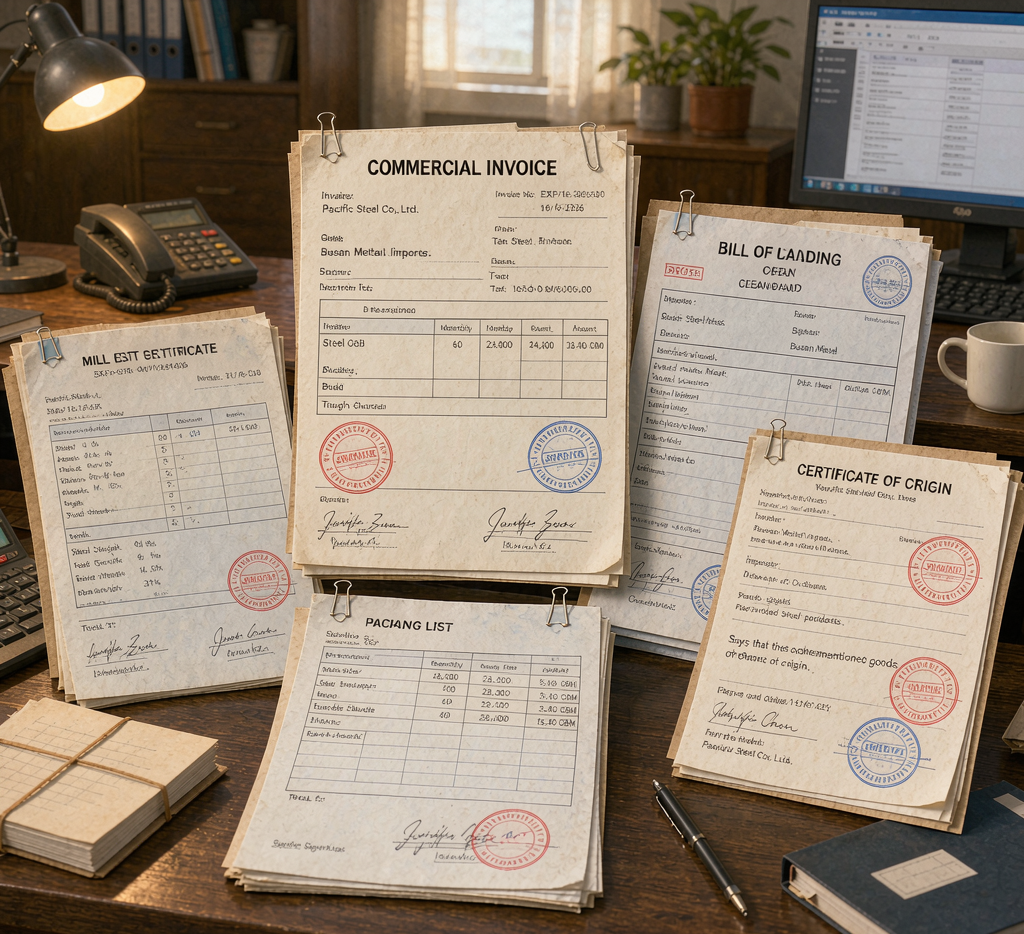
Customs authorities require a complete, consistent document package. Discrepancies between the commercial invoice, packing list, bill of lading, and certificate of origin are red flags that trigger physical inspection.
Essential documents for carbon steel imports include:
Commercial invoice (must match payment amount)
Packing list (exact piece count, bundle numbers, net/gross weight)
Bill of lading or airway bill
Mill test certificate (EN 10204 3.1 or 3.2)
Certificate of origin (Form E, Form A, or RCEP certificate for preferential duty)
Anti-dumping duty declaration (if applicable)
Solution: Implement a pre-shipment document checklist. At Huaxia-Steel, our export team cross-checks all documents against the physical cargo before release. We provide draft documents for client approval 3-5 days before vessel departure.
3. Anti-Dumping and Countervailing Duty Investigations
Carbon steel products from China are subject to anti-dumping duties (ADD) in many markets including the EU, USA, Canada, Australia, and several Southeast Asian countries. Duties can range from 10% to over 100% of CIF value, depending on the specific product and producer.
Common anti-dumping measures affecting Chinese carbon steel:
USA: Circular welded pipe, oil country tubular goods, standard pipe
Turkey: Hot-rolled coil, wire rod, rebar
Mexico: Steel sheet and plate
Solution: Research ADD applicability before placing orders. If your supplier has an individual duty rate lower than the country-wide rate, ensure they provide the necessary documentation to claim it. Consider sourcing from mills with zero or minimal individual margins. Huaxia-Steel advises clients on ADD status and provides producer-specific duty rate information.
4. Weight and Quantity Discrepancies
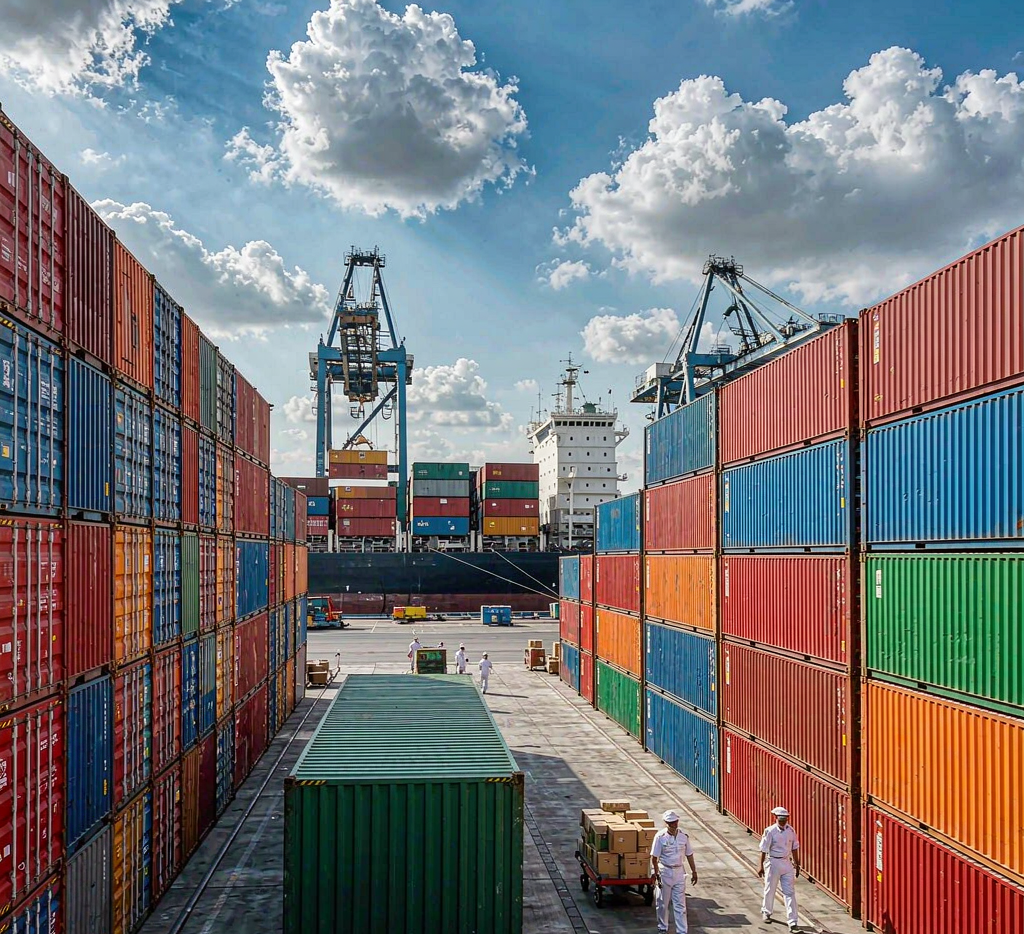
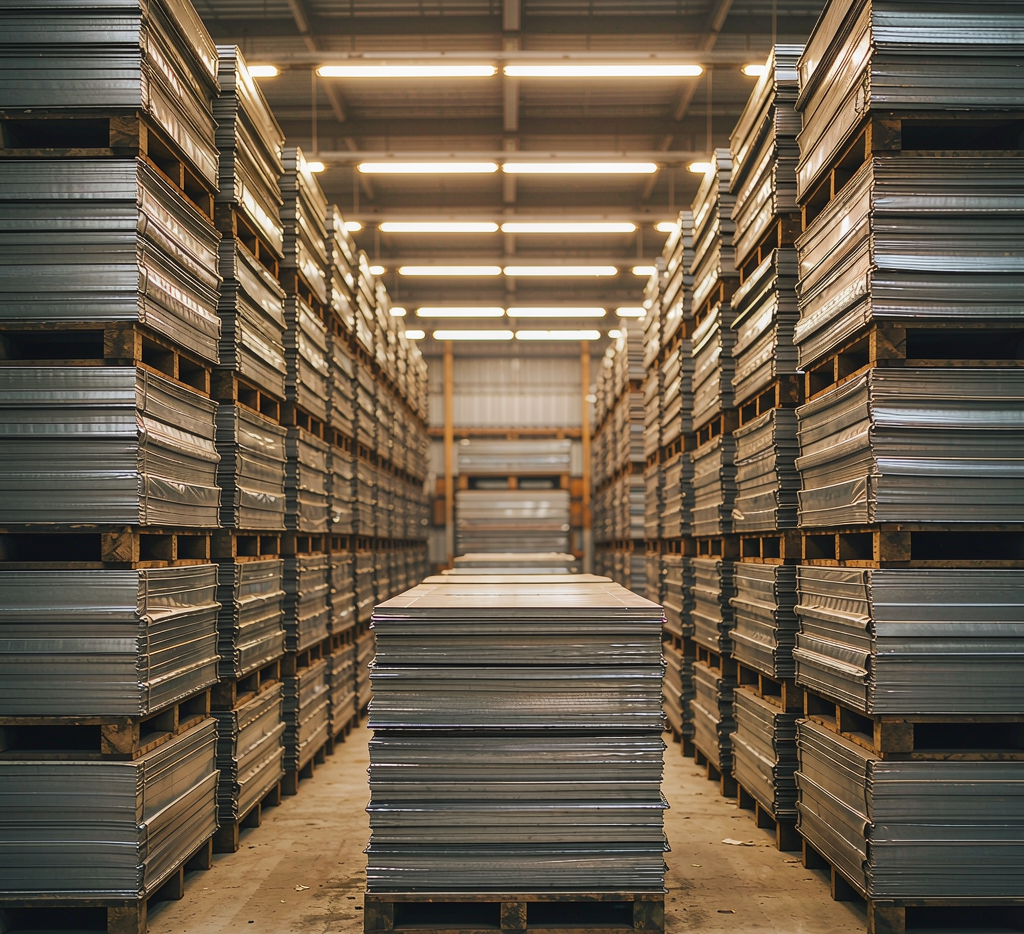
Customs routinely weigh and count steel shipments. Even a 2-3% weight discrepancy between the declared and actual cargo can trigger extended inspection, sampling, and laboratory testing. This is particularly common with hot-rolled coil, where mill scale loss during transit affects actual net weight.
Solution: Specify weighing terms clearly in your purchase order. “Mill weight final” is standard for bulk steel, but some customs authorities require “landed weight final.” Include an acceptable weight tolerance clause (typically +/- 3%) and ensure your supplier factors in scale loss for ocean shipments.
5. Country-Specific Regulatory Requirements
Beyond standard customs procedures, many countries impose additional requirements on steel imports:
EU: Steel import monitoring system (SIMA) requiring advance registration
USA: Section 232 tariffs (25% on most steel products)
Saudi Arabia: SASO certificates and saber platform registration
Egypt: GOEIC registration for steel imports
India: BIS certification (ISI mark) for certain steel products
Solution: Engage a licensed customs broker in the destination country before placing your first order. Huaxia-Steel works with logistics partners in over 40 countries who can advise on current regulatory requirements and prepare compliant documentation.
FAQ
How long do carbon steel customs delays typically last?
Minor documentation issues can be resolved in 2-5 days. Physical inspection and laboratory testing extend delays to 2-4 weeks. Anti-dumping duty disputes or customs valuation challenges can take months. Prevention through accurate documentation is far cheaper than resolution.
Should I use DDP terms to avoid customs complexity?
DDP (Delivered Duty Paid) shifts customs responsibility to the seller, but not all Chinese steel exporters can efficiently manage foreign customs clearance. Ensure your supplier has proven DDP capability and local customs representation before specifying DDP.
Can Huaxia-Steel help with customs documentation?
Yes. We provide complete export documentation packages including commercial invoices, packing lists, certificates of origin, mill test certificates, and anti-dumping declarations. We also connect clients with licensed customs brokers in major import markets for destination clearance support.
What is the safest way to handle first-time imports of carbon steel?
Start with a small trial shipment (one container) to test the customs clearance process in your country. Use an experienced customs broker, verify HS codes with customs in advance, and request all documents in draft form for review before vessel departure.
Importing carbon steel from China and worried about customs delays? Contact Huaxia-Steel for export documentation support, HS code verification, and logistics partnerships that ensure smooth clearance at destination. We help you get your steel on time, every time.
If you require further information about our metal sheet products or architectural projects, please don’t hesitate to leave your contact details and message here.
Our team of experts will respond within 24 hours to continue the discussion and provide you with any additional information you requires.