Carbon Steel Pickling and Passivation: Surface Prep Guide
Before carbon steel can be galvanized, painted, coated, or welded, its surface must be thoroughly cleaned of oxide scale, rust, mill residue, and oil contamination. Pickling (acid immersion) and passivation (chemical neutralization/rinsing) are the two core surface preparation processes that determine whether downstream coatings adhere properly and perform durably.
For buyers sourcing carbon steel for coated or galvanized applications, understanding pickling and passivation helps you specify the right surface condition, evaluate supplier pretreatment quality, and prevent adhesion failures that lead to warranty claims.
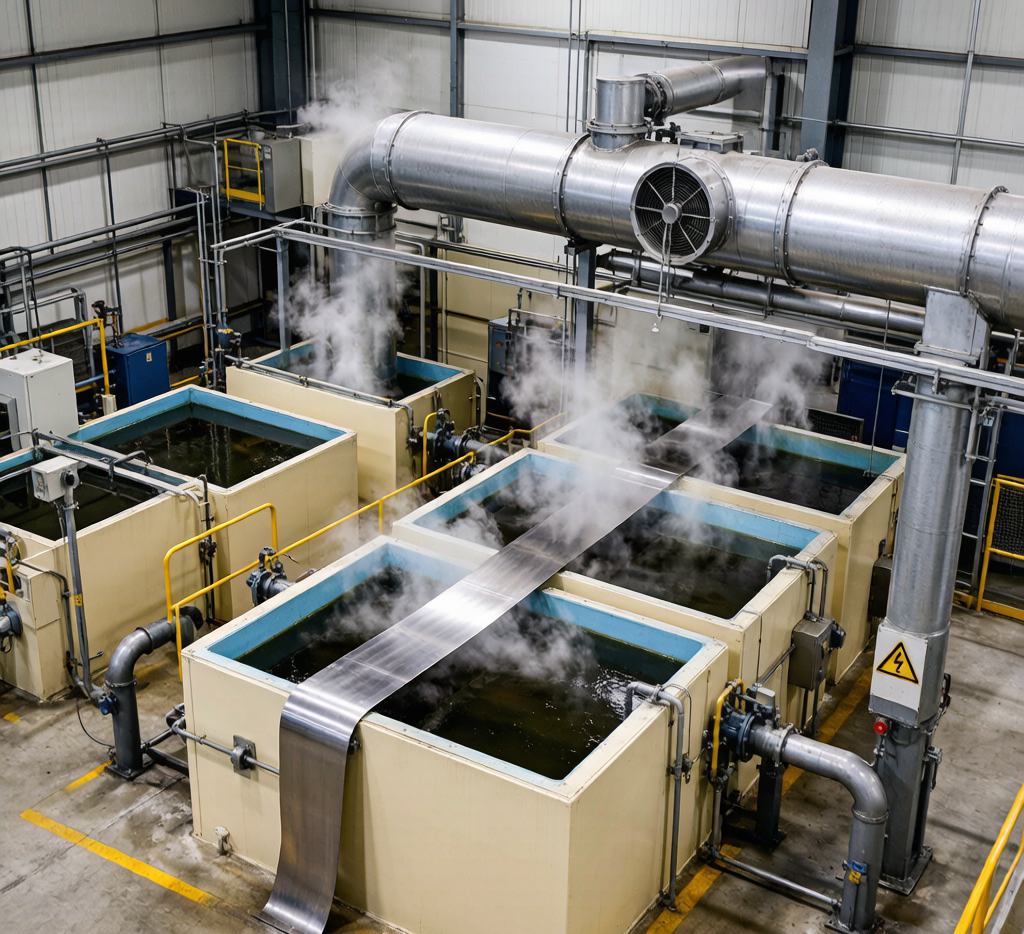
What Is Pickling and Why Is It Necessary?
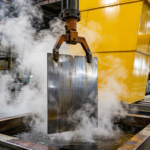
Pickling is the chemical removal of surface oxide layers from carbon steel using acid solutions. During hot rolling, steel forms a thick oxide scale (primarily FeO, Fe₂O₃, Fe₃O₄) that must be removed before further processing. Pickling also removes light rust formed during storage and transit.
Why pickling is critical:
- Coating adhesion: Oxide scale and rust prevent paint, zinc, or polymer coatings from bonding to the steel substrate. Coatings applied over scale fail within months.
- Weld quality: Surface oxides cause porosity and inclusion defects in welds. Pickled steel produces cleaner, stronger welds.
- Dimensional accuracy: Scale thickness (typically 50-200 µm) adds to measured dimensions. Removing it ensures true dimensional compliance.
- Aesthetic appearance: Pickled steel has a uniform silver-grey surface, suitable for visible applications.
Pickling Acid Types: HCl vs H2SO4 vs Mixed Acids
| Acid Type | Concentration | Temperature | Pickling Time | Scale Removal | Cost |
|---|---|---|---|---|---|
| Hydrochloric (HCl) | 15-20% | Room temp – 40°C | 5-20 min | Excellent | Low |
| Sulfuric (H₂SO₄) | 15-25% | 60-80°C | 10-30 min | Good | Low |
| HCl + H₂SO₄ mixed | 10-15% each | 40-60°C | 5-15 min | Excellent | Medium |
| Hydrofluoric (HF) + HNO₃ | 2-5% HF + 10-15% HNO₃ | Room temp | 3-10 min | Excellent | High (hazardous) |
Hydrochloric acid (HCl) is the most widely used pickling acid for carbon steel worldwide. It works at room temperature, produces fast scale removal, and generates soluble chloride salts. The primary disadvantage is HCl vapor corrosion — the acid mist attacks nearby equipment and structures. Modern pickling lines use enclosed tanks with vapor extraction systems.
Sulfuric acid (H₂SO₄) requires higher temperatures (60-80°C) and longer immersion times, but produces less vapor and generates iron sulfate that can be crystallized and sold as byproduct. It was historically dominant but has been largely replaced by HCl in continuous strip pickling lines.
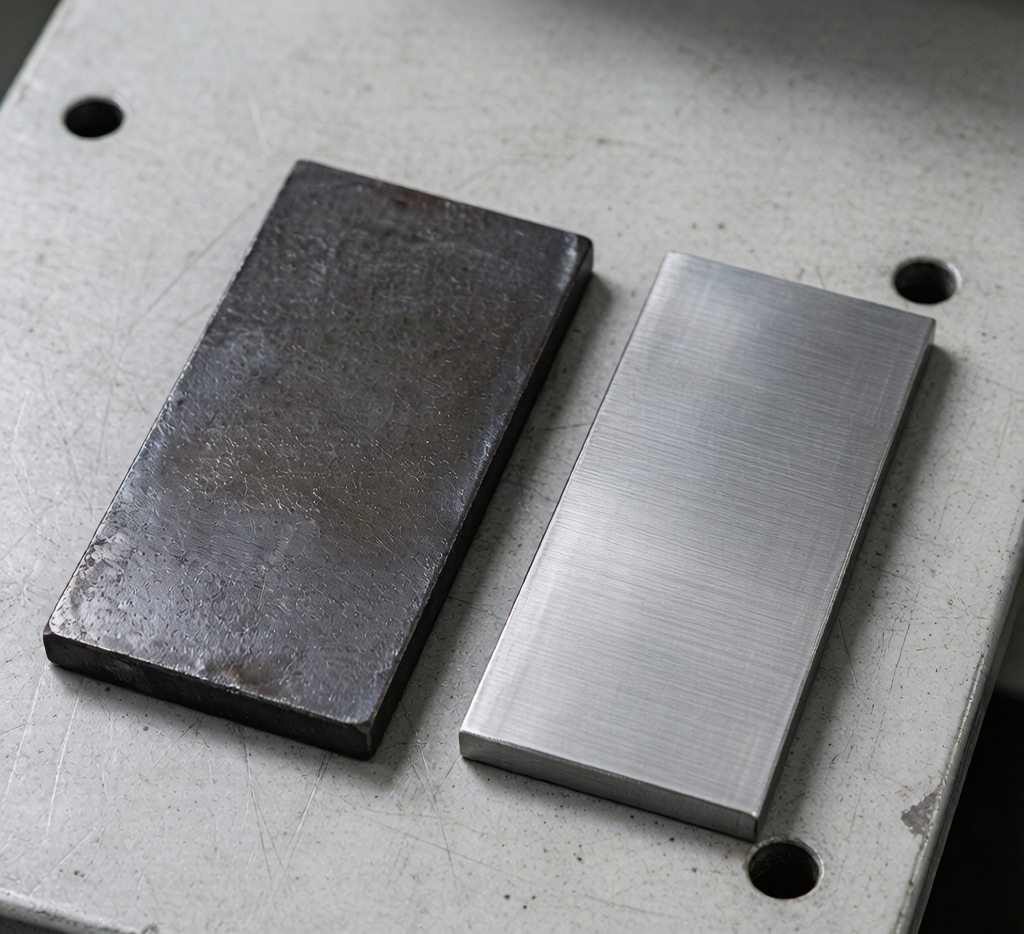
Pickling Process Parameters
For a standard continuous pickling line (coil processing), typical parameters are:
| Parameter | Typical Range | Notes |
|---|---|---|
| Acid concentration | 18-22% HCl | Monitored continuously; replenished from make-up tank |
| Bath temperature | 35-45°C | Higher temperature accelerates pickling but increases vapor |
| Strip speed | 60-180 m/min | Determined by scale thickness and acid concentration |
| Iron content in bath | Max 120-150 g/L Fe | Higher iron slows pickling; bath is replaced or regenerated |
| Inhibitor addition | 0.1-0.5% | Prevents over-pickling (base metal attack) and hydrogen uptake |
| Rinse stages | 3-5 cascade rinses | Removes residual acid; final rinse < 50 mg/L Cl⁻ |
Pickling inhibitors are organic compounds (thiourea, quinoline derivatives) that adsorb onto clean steel surfaces, preventing the acid from attacking the base metal after scale removal. Without inhibitors, over-pickling causes surface roughening, dimensional loss, and hydrogen diffusion into the steel (risk of hydrogen embrittlement).
What Is Passivation After Pickling?
In carbon steel processing, passivation refers to the chemical neutralization and stabilization of the freshly pickled surface. Unlike stainless steel passivation (which forms a chromium oxide layer), carbon steel passivation aims to:
- Neutralize residual acid on the surface to prevent flash rusting
- Apply a temporary protective film that delays rust formation during storage and transit
- Prepare the surface for immediate downstream coating (galvanizing, painting, phosphating)
Common passivation methods for carbon steel:
| Method | Chemistry | Protection Duration | Cost | Best Use |
|---|---|---|---|---|
| Borate rinse | Na₂B₄O₇ solution | 1-3 days | Low | Immediate downstream processing |
| Phosphating | Zn/Fe/Mn phosphate | 1-6 months | Medium | Paint primer base |
| Oiling (P&O) | Rolling oil + inhibitor | 3-12 months | Low | Storage, transit, general fabrication |
| VCI packaging | Volatile corrosion inhibitor | 6-24 months | Medium | Export shipping, long storage |
| Dry passivation | Silica-based nano-coating | 3-6 months | High | Clean surface, no oil residue |
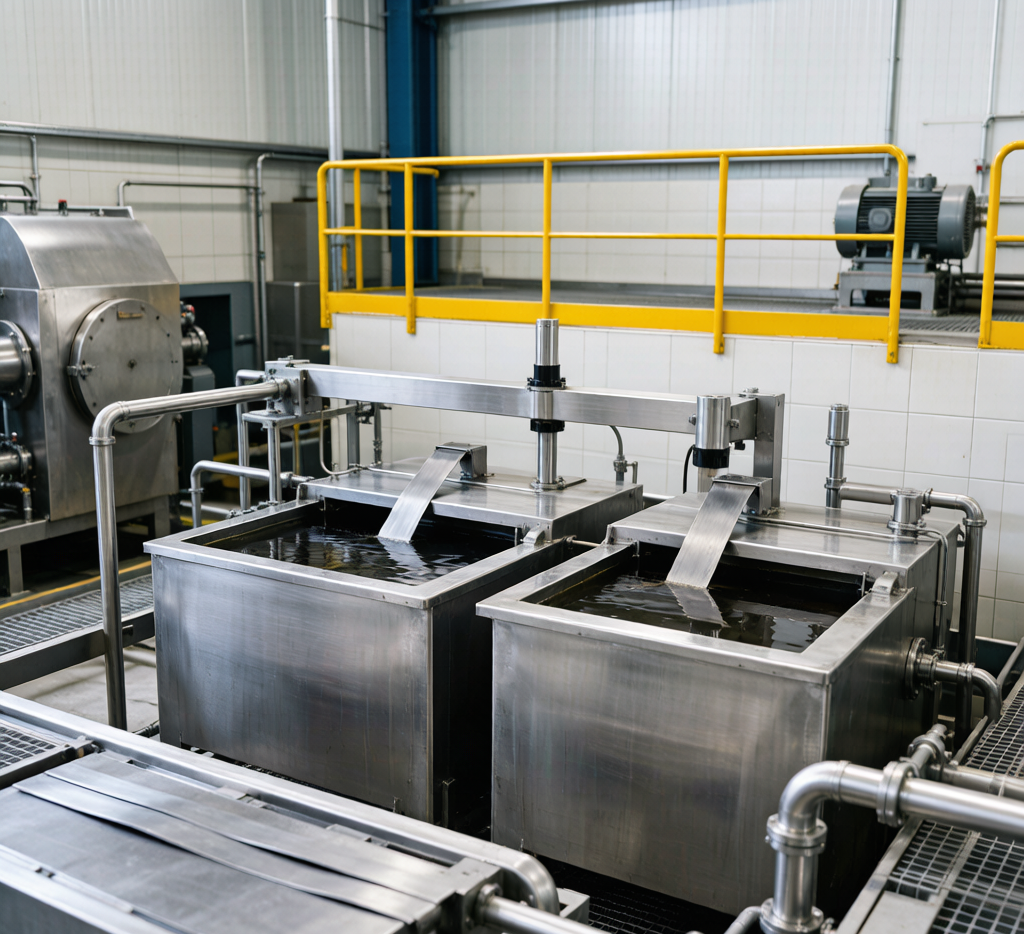
Safety and Environmental Considerations
Pickling is one of the most hazardous operations in steel processing. Key safety and environmental requirements include:
- Acid handling: HCl and H₂SO₄ cause severe chemical burns. Full PPE (acid-resistant gloves, face shield, apron, respiratory protection) is mandatory per OSHA 29 CFR 1910.
- Vapor control: HCl fumes corrode equipment and pose inhalation hazards. Enclosed tanks with exhaust scrubbers (alkali wet scrubbers) are standard in modern facilities.
- Waste acid treatment: Spent pickling acid contains 100-150 g/L iron and must be treated before discharge. Acid regeneration (ARI process) recovers HCl and iron oxide, reducing waste by 90%.
- Hydrogen embrittlement risk: Acid pickling generates hydrogen that can diffuse into steel, causing delayed cracking in high-strength grades. Inhibitors and proper rinsing mitigate this risk.
- Environmental compliance: In China, pickling wastewater discharge must meet GB 31570 standards. Leading mills have invested in closed-loop acid regeneration systems.
Pickling Quality Inspection for Buyers
When specifying pickled-and-oiled (P&O) steel, verify these quality indicators:
- Surface cleanliness: Visual inspection per ASTM A580 — no residual scale, no rust staining, uniform silver-grey appearance
- Residual chloride: < 50 mg/L on surface (measured by swipe test) — residual chloride causes flash rusting and coating adhesion failure
- Oil coating uniformity: Measured by weight (1-3 g/m² typical for P&O coil), ensures consistent protection
- Surface roughness: Ra 1.0-3.0 µm typical after pickling — excessive roughness indicates over-pickling
- Hydrogen content: For high-strength grades (≥ 700 MPa), verify hydrogen content < 2 ppm after pickling to rule out embrittlement
FAQ
What is the difference between pickling and passivation?
Pickling removes oxide scale and rust from the steel surface using acid. Passivation protects the freshly cleaned surface from immediate re-rusting by neutralizing residual acid and applying a temporary protective barrier. They are sequential processes: pickling first, then passivation.
Why is pickled-and-oiled (P&O) steel commonly specified?
P&O designation means the steel has been pickled to remove scale, then oiled to prevent rust during storage and shipping. It is the standard surface condition for cold-rolled coil, hot-rolled coil destined for cold rolling, and plate/coil requiring surface cleanliness before downstream processing. The oil can be easily removed with solvent before painting or galvanizing.
Can pickling damage carbon steel?
Over-pickling (excessive immersion time or acid concentration without inhibitors) attacks the base metal, causing surface roughening, dimensional loss, and hydrogen absorption. Properly controlled pickling with inhibitors removes only the oxide scale without affecting the substrate. Always specify inhibitor use in your surface treatment requirements.
How long does passivation protect carbon steel from rust?
Protection duration depends on the method: borate rinse (1-3 days), oiling (3-12 months), phosphating (1-6 months as paint base), VCI packaging (6-24 months for export shipping). For long ocean freight, VCI packaging combined with oiled surface provides the most reliable protection.
Conclusion
Pickling and passivation are essential surface preparation steps that directly determine the quality and durability of downstream coatings on carbon steel. Understanding acid types, process parameters, and passivation methods enables buyers to specify the right surface condition, verify supplier quality, and prevent coating failures that lead to costly claims.
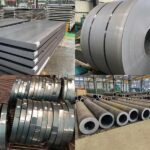
At Huaxia-Steel, we supply pickled-and-oiled (P&O) coil and plate with verified surface quality, properly oiled for transit protection. Contact our team to specify your surface condition requirements and receive certified, coating-ready carbon steel for your next project.