Carbon Steel Pipe Threading Process: A Buyer’s Guide
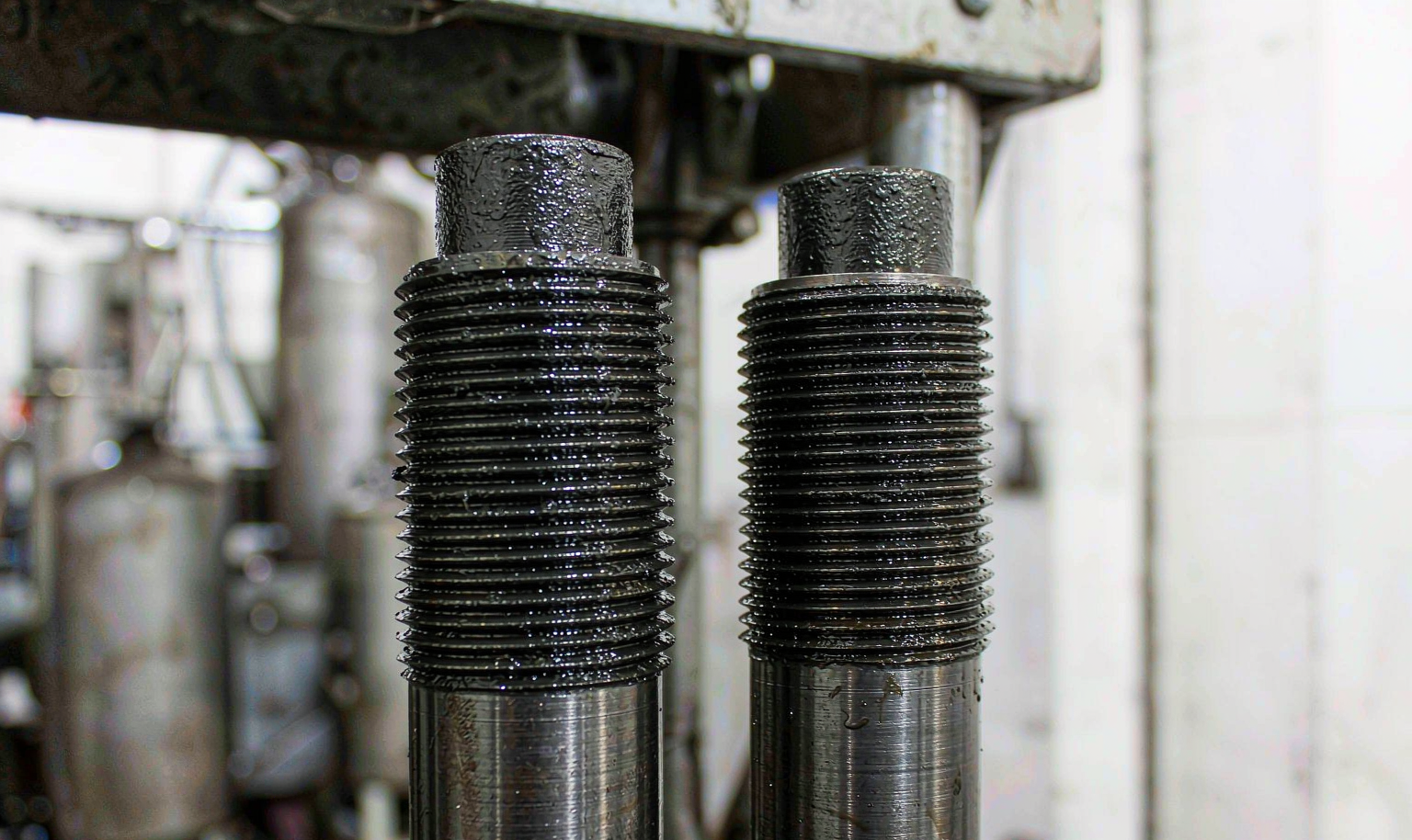
Threaded carbon steel pipe remains the fastest way to assemble low-pressure piping systems without welding — plumbers, fire protection contractors, and gas fitters rely on it daily. But for buyers sourcing pipe from mills, threading quality is a frequent source of claims: leaked joints, galling, gauge rejection, and threads cut on out-of-round pipe. This guide explains how threading is actually done in a production environment, which thread standards to specify, what tolerances and inspections to demand, and how to avoid the most common quality problems.
Thread Standards You Can Specify
| Thread type | Standard | Seal method | Typical use |
|---|---|---|---|
| NPT | ASME B1.20.1 | Taper thread + sealant | US-standard plumbing, gas, fire lines |
| NPTF (dryseal) | ASME B1.20.3 | Interference at crests | Fuel, hydraulic, higher-pressure joints |
| BSPT (R) | ISO 7 / BS 21 / EN 10226 | Taper thread + sealant | Europe/Asia water and gas piping |
| BSPP (G/Rp) | ISO 228-1 | Parallel thread + gasket/O-ring | Mechanical fittings, ports |
| API Line Pipe | API 5L / API 5B | Taper thread + compound | Line pipe gathering lines |
| API 8-round / Buttress | API Spec 5B | Premium compound | Casing and tubing |
NPT and BSPT look similar but are not interchangeable — the 60° vs 55° flank angle and different pitch mean a forced NPT-into-BSPT joint will leak. Always specify the mating standard on the purchase order, including which end of the pipe is threaded (plain one end, threaded both ends, or threaded and coupled).
The Production Threading Process Step by Step
Key Dimensions and Tolerances
| Size (NPS) | Threads per inch | Effective thread length (mm) | Wrench makeup length (mm) |
|---|---|---|---|
| 1/2″ | 14 | 13.6 | 9.1 |
| 3/4″ | 14 | 14.1 | 10.2 |
| 1″ | 11.5 | 17.3 | 12.7 |
| 2″ | 11.5 | 19.1 | 17.3 |
| 4″ | 8 | 27.0 | 24.4 |
| 6″ | 8 | 30.2 | 30.2 |
Taper tolerance on NPT is 3/4 inch per foot ±1/16 inch per foot. Effective length must be within one thread turn of nominal. On galvanized pipe, threading must be done after galvanizing ends are re-tapped or before galvanizing depending on the system — ask the supplier which process they use, because hot-dip galvanized threads that are not chased will seize on assembly.
Machine Threading vs Site Threading
Mill threading uses rigid power machines with fixed die heads, producing consistent taper and surface finish at 1,000+ joints per shift. Site threading with portable threaders is fine for installation, but production volumes should always be factory-threaded: the taper accuracy, gauge control, and surface finish achievable in-plant are simply better. If your project involves thousands of joints, buying threaded-and-coupled pipe from the mill reduces leak tests and rework dramatically.
Quality Control: What to Demand From the Supplier
Common Threading Defects and Root Causes
| Defect | Cause | Prevention |
|---|---|---|
| Leaking joints at assembly | Taper out of tolerance, worn die, wrong thread standard mix | 100% gauge control, single standard per order |
| Galling / seized makeups | Galvanized threads not chased, no compound | Chase threads after galvanize, supply with compound or instruct sealant |
| Torn or chattered flanks | Dull dies, wrong speed, poor oil | Scheduled die changes, process control |
| Oval threads | Threading thin-wall or out-of-round pipe | Check pipe ovality before threading; use backing spacers |
| Rust on threads at delivery | Wet bundling, no protectors | VCI paper, plastic caps, dry container loading |
Specification Checklist for Your Purchase Order
FAQ
Can NPT fittings be used with BSPT pipe?
No. The flank angles (60° vs 55°) and pitches differ; the joint may appear to tighten but will leak under pressure. Specify one standard throughout the system.
What pressure can threaded carbon steel pipe handle?
Standard Schedule 40 NPT joints with sealant typically serve to about 1.0–2.0 MPa depending on size and temperature. Higher pressure requires heavier wall, dryseal NPTF, or welded/flanged joints.
Should galvanized pipe be threaded before or after galvanizing?
Either is acceptable if threads are finished correctly: threading before galvanizing requires thicker coating allowance, while threading after requires chasing and usually re-tapping. Confirm the supplier’s practice.
How is thread quality verified at the mill?
By tapered ring and plug gauges (L1/L2/L3 for NPT), visual flank inspection, taper measurement, and thread length checks against ASME B1.20.1 or API 5B gauging practice.
Need threaded carbon steel pipe?
Tell us the thread standard, size, schedule, and coating. Huaxia-Steel supplies NPT/BSPT threaded black and galvanized pipe with 100% gauge inspection. Request a quote.