Carbon Steel Powder Coating: Process & Specs
Powder coating is the dominant factory finish for carbon steel components that need a durable, attractive, and corrosion-resistant surface without the environmental and handling problems of liquid paint. Instead of dipping or spraying a solvent-based coating, a dry electrostatically charged powder is applied to the grounded steel and then baked into a continuous, tough film. For buyers of carbon steel parts – frames, enclosures, brackets, and structural fittings – powder coating decides how the product looks on day one and how it survives years of weather, handling, and abrasion. A poor powder job chips, fades, and rusts from every scratch; a good one shrugs off decades of service. This guide explains how powder coating works, why it beats liquid paint for steel, how to specify it, the defects to watch for, and how to verify a coated order before acceptance.
1. What Is Powder Coating?
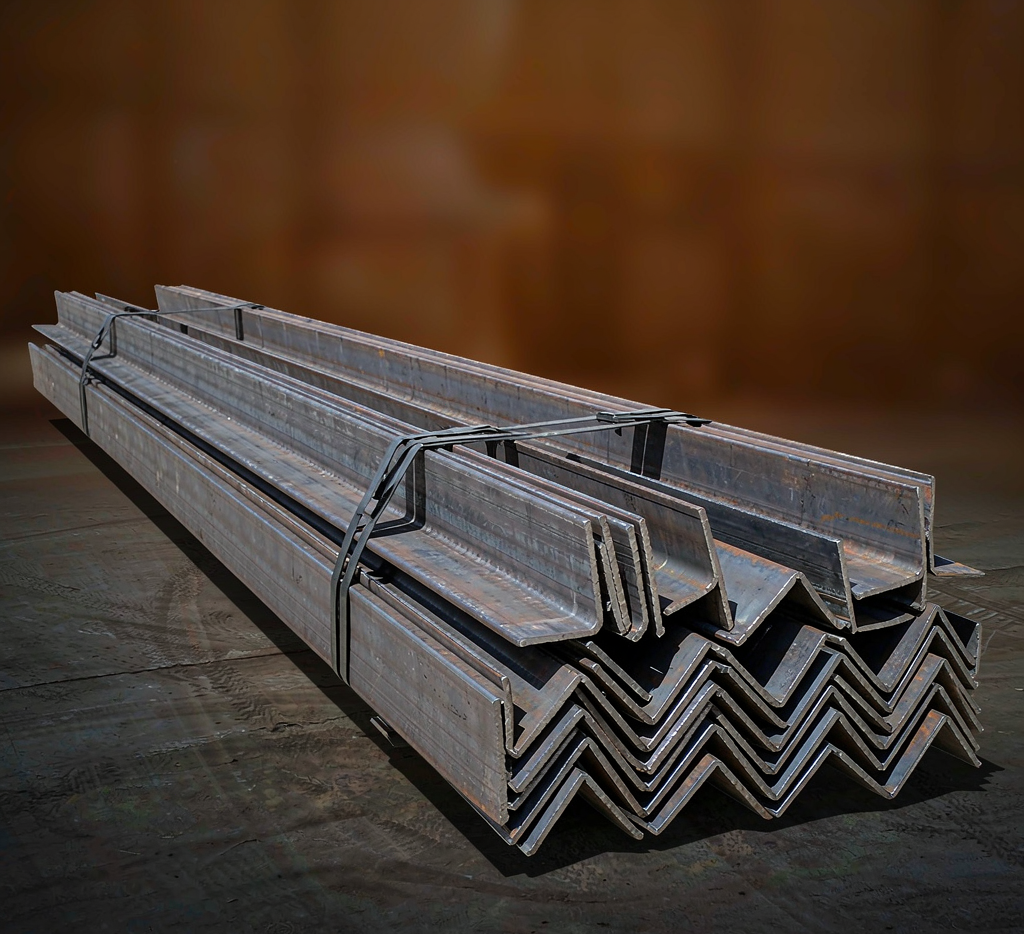
Powder coating is a dry finishing process in which a fine thermoset or thermoplastic powder is electrostatically charged and sprayed onto a grounded metal part, then cured in an oven where the powder melts, flows, and chemically cross-links into a solid, continuous coating. There is no solvent to evaporate, so the process emits almost no volatile organic compounds and produces a thicker, more uniform film than most liquid paints in a single pass. On carbon steel it forms a hard, chip-resistant barrier that also looks clean and consistent. Because the powder wraps around edges and into recesses under electrostatic attraction, coverage is excellent, and because there is no run or drip, finish quality is far more repeatable than with wet painting.
2. How the Process Works
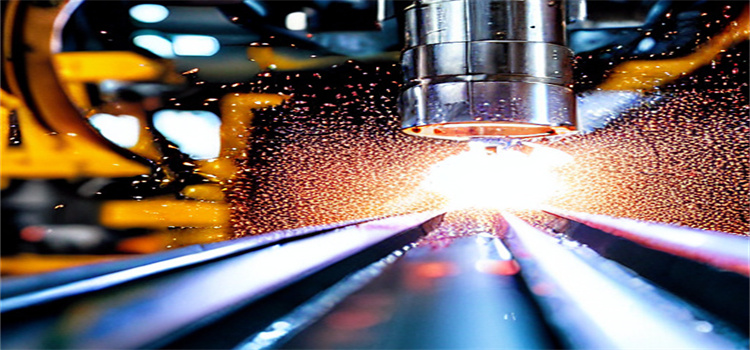
A modern powder coating line runs in clear stages. The part is cleaned and pretreated to remove oil, scale, and rust and to build a conversion coating that locks paint adhesion. It is then grounded and sprayed in a booth where a corona or tribo gun charges the powder so it clings to the surface. The coated part moves into a curing oven where heat melts and cross-links the film into a tough skin. Finally it cools and is inspected. The quality of the pretreatment and the oven’s temperature uniformity are what separate a coating that lasts from one that fails at the first scratch, and they are the variables you are really paying for when you specify a premium finish.
| Stage | What happens | Why it matters |
|---|---|---|
| Clean + pretreat | Degrease, blast, phosphate | Adhesion and corrosion base |
| Electrostatic spray | Charged powder to grounded steel | Even wrap-around coverage |
| Cure oven | Melt and cross-link film | Final hardness and durability |
| Cool + inspect | Check film, color, defects | Acceptance and traceability |
3. Why Powder Coat Carbon Steel?
Carbon steel rusts the moment its bare surface meets moisture, so a durable barrier is essential for anything used outdoors or in humid, industrial, or coastal environments. Powder coating gives a thicker, harder, and more uniform film than liquid paint, with excellent resistance to chipping, scratching, chemicals, and UV fade. It contains no solvent, so there is no paint run, drip, or sag, and the overspray can be reclaimed and reused, cutting waste. For high-volume fabricated steel – enclosures, racking, brackets, frames – powder coating is the most cost-effective way to get a long-lasting, good-looking finish that survives shipping and years of service.
4. Surface Preparation
Preparation makes or breaks the coating. The steel must be free of oil, grease, scale, and rust, typically by alkaline cleaning and either abrasive blasting or a phosphate or zirconium conversion coating that both cleans and gives the powder something to bond to. For outdoor or corrosive duty, blast cleaning to a defined profile followed by a zinc or iron phosphate pretreatment is the standard. Skipping or rushing pretreatment is the most common cause of premature coating failure, so specify the pretreatment class on the order and verify it at incoming inspection rather than assuming it was done well.
- Degrease: remove oil, stamping lubricant, and shop dirt.
- Blast or mechanical clean: remove scale and rust to a set profile.
- Conversion coat: phosphate or zirconium for adhesion and corrosion base.
- Dry thoroughly: no moisture before powder application.
- Control film thickness from the start, not after curing.
5. Types of Powder
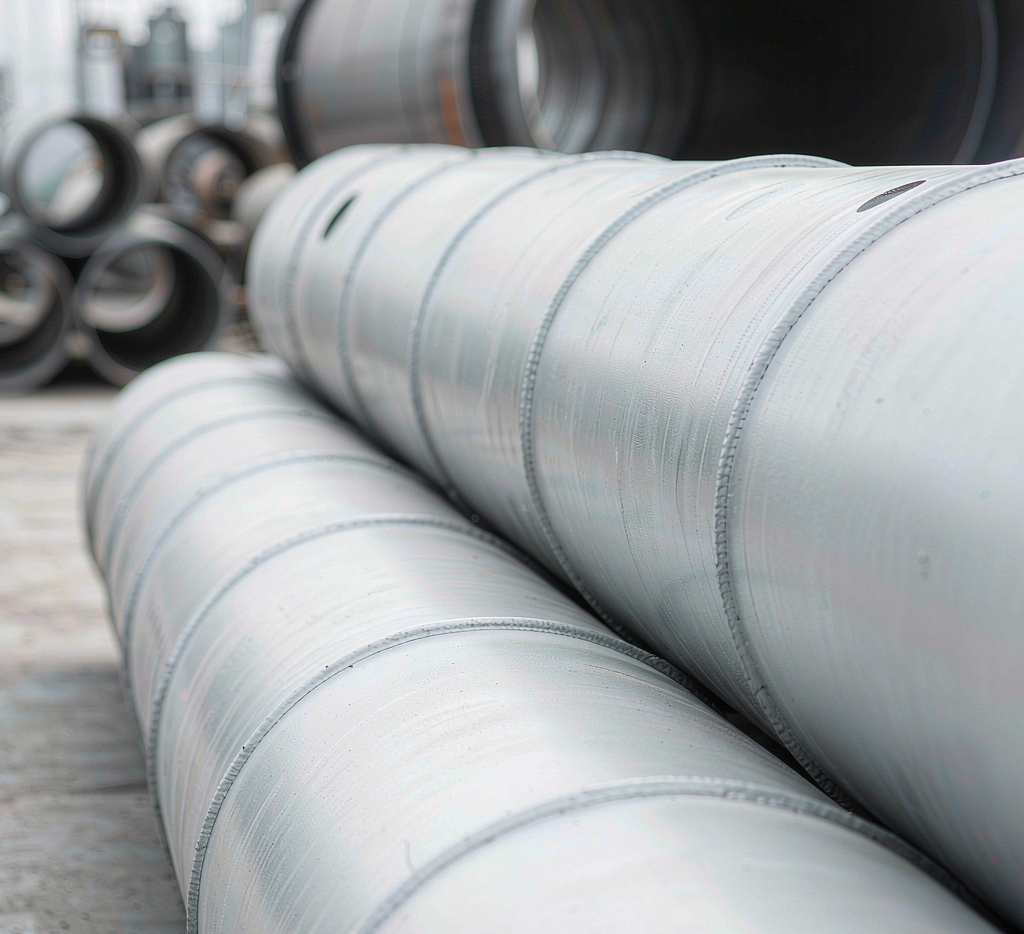
The two main chemistries are epoxy and polyester, with hybrids and specialty powders for specific needs. Epoxy gives the best chemical and corrosion resistance but chalks and fades in sunlight, so it is used for interior or buried parts. Polyester (and polyester-urethane) resists UV and weathering, making it the default for outdoor steel. Epoxy-polyester hybrids balance the two for indoor-industrial use. Choosing the right chemistry for the service environment is as important as the color, and for coastal or aggressive atmospheres a polyester with a verified salt-spray rating should be specified rather than a generic finish.
6. Coating Thickness and Tolerance
Typical powder coating thickness on steel is 60 to 120 microns, with many specifications calling for 60 to 80 microns for a single coat. Thickness is controlled by powder flow, gun settings, and part geometry; too thin and you lose corrosion protection, too thick and the film can orange-peel or brittle-crack. A sensible tolerance is agreed with the coater and checked with a magnetic thickness gauge at several points per part. For outdoor duty, specify a minimum average thickness and a minimum at any point, and confirm the gauge readings on the inspection report so the barrier is actually as thick as ordered.
| Service | Typical thickness | Recommended chemistry |
|---|---|---|
| Indoor industrial | 60-80 microns | Hybrid or epoxy |
| Outdoor general | 80-100 microns | Polyester |
| Coastal / aggressive | 100-120 microns | Polyester, high salt-spray |
7. Corrosion and Weather Resistance
A well-applied polyester powder coating on properly pretreated steel gives excellent resistance to rust, UV fade, and abrasion, and it is the finish of choice for outdoor enclosures, fencing, racking, and architectural steel. Its corrosion performance is often compared against hot-dip galvanizing; powder coating wins on appearance and color but galvanizing wins on cut-edge protection and field repair, which is why many specifiers pair the two – galvanize then powder coat – for the harshest duty. Specify the salt-spray hours (for example 500 or 1000 hours to red rust) when corrosion matters, because that number, not the color, defines the real protection.
8. Common Defects to Inspect
Even a good line occasionally produces defects, and the ones that matter are those that break the barrier. Poor pretreatment shows up as early rust bloom under the film; thin spots let corrosion start; orange peel and craters are cosmetic but signal poor process control; and bare edges or touch-up marks indicate inadequate coverage. On receipt, check film thickness at several points, look for color and gloss consistency under good light, and inspect edges and recesses where coverage is hardest. Keep the coater’s process record and the salt-spray or adhesion test report as part of your quality file.
| Defect | Cause | Effect |
|---|---|---|
| Rust bloom | Poor pretreatment | Early corrosion under film |
| Thin film | Wrong gun settings | Reduced barrier life |
| Orange peel | Bad flow / cure | Cosmetic, process signal |
| Bare edges | Poor wrap coverage | Rust start points |
9. Powder Coating vs Paint and Galvanizing
Versus liquid paint, powder coating is thicker, harder, more uniform, and solvent-free, with better chip and weather resistance and less waste. Versus hot-dip galvanizing, galvanizing gives superior cut-edge and field-repair protection and is often cheaper for structural steel, but it offers limited color and a spangled look; powder coating offers color, gloss, and a clean finish but needs the substrate protected at cut edges. For the harshest outdoor duty, duplex systems – galvanize then powder coat – combine both. Choose on appearance, environment, and whether the part will be cut or drilled after coating.
10. Applications
Powder coating is everywhere fabricated steel needs a finish.
- Electrical and control enclosures, cabinets, and panels.
- Shelving, racking, and warehouse equipment.
- Architectural and fencing steel, handrails, and gates.
- Automotive and machinery brackets, frames, and wheels.
- HVAC, lighting, and outdoor utility housings.
11. How to Specify a Powder-Coated Order
A precise finish specification prevents rework and arguments. State the chemistry (polyester for outdoor), the color and gloss, the minimum and nominal film thickness, the pretreatment class, the salt-spray or adhesion requirement, and any masking or thread-protection needs. If the part will be cut or drilled after coating, say so, because that changes the corrosion strategy. A simple finish spec sheet attached to the purchase order is worth a paragraph of email, and it lets the coater set the line correctly the first time.
- Chemistry: polyester (outdoor) or hybrid (indoor).
- Color and gloss level, with a standard or sample.
- Film thickness: minimum and nominal, checked by gauge.
- Pretreatment and salt-spray or adhesion requirement.
- Masking, thread protection, and packing for transit.
12. Quality Inspection
On delivery, verify film thickness with a magnetic gauge at multiple points, check color and gloss against the approved sample under consistent light, and inspect edges and recesses for bare spots. Request the coater’s adhesion (cross-cut) and salt-spray test reports where specified, and keep them with the lot record. For critical or exterior parts, a cross-cut adhesion test on a sample piece is a quick, decisive check. Huaxia-Steel supplies carbon steel parts and can arrange powder coating, pretreatment control, and inspection through its finishing network, with finish specifications and test reports on request and clear communication throughout.
13. Cost and Lead Time
Powder coating cost is driven by part size and complexity, the chemistry and color, the pretreatment required, and the batch size, with setup and color change dominating small runs. Lead time is usually short – days to a couple of weeks – at a finishing house, but stretches if special color, pretreatment, or salt-spray testing is needed. Order with your assembly schedule in mind and consolidate colors to avoid changeover charges, and build a relationship with one coater so repeat specs get faster and more consistent.
14. Color and Gloss Selection
Powder coating offers an almost unlimited color range and several gloss levels, from full gloss through semi-gloss to matte, all matched to standard color systems or your supplied sample. For architectural and branding work, specify the color by a recognized standard or a signed sample so there is no argument about shade at acceptance. Gloss level affects both appearance and how readily marks and orange peel show, with lower gloss hiding surface imperfections better. For outdoor steel, a mid-gloss polyester is the common default, while indoor enclosures often use a smoother higher-gloss finish. Agree the color and gloss on a physical sample rather than a screen image, because monitors and lighting distort color and a finish dispute is easiest to avoid with a chip both parties keep.
15. Repair and Touch-Up
Despite the best process, field damage from handling, cutting, or drilling after coating happens, and how you repair it matters for corrosion life. Small nicks can be spot-repaired with a compatible touch-up paint or a two-part repair system, but large areas need recoating or, better, galvanizing plus coating for cut edges. Crucially, any part that will be cut or drilled after coating should be specified as such so the supplier can advise a duplex system or supply matching touch-up. Never assume a powder-coated surface is self-healing; the barrier is only as good as its continuity, and a bare cut edge in a wet environment will rust from that point inward if left unprotected.
16. Environmental and Safety Notes
Powder coating is one of the cleaner finishing processes because it is solvent-free and the overspray is reclaimable and reused, cutting both emissions and waste. The curing oven consumes energy, so a coater’s efficiency and renewable-energy use are worth asking about if sustainability reporting matters to your customers. For worker safety, the main hazards are oven heat and fine powder dust, which a well-run booth controls with extraction and filtration. From a buyer’s perspective, the environmental advantage of powder over liquid paint is a genuine selling point for finished goods, and it is worth noting on your product data sheets when the coating is specified as part of a green or low-VOC program.
17. Pre-Treatment Quality Tests
Because pretreatment is the foundation of coating life, good coaters verify it rather than assume it. The two decisive tests are the cross-cut adhesion test, where a grid is cut through the coating and tape is pulled to check that the film stays bonded, and the salt-spray test, where coated panels are exposed in a salt fog chamber for a set number of hours (commonly 500 or 1000) and inspected for red rust. For critical or exterior parts, require these test reports with the lot and specify the minimum hours to red rust so the barrier is proven, not promised. A coater who can show recent, consistent salt-spray and adhesion results is demonstrating exactly the process control that separates a durable finish from a pretty one that fails in a year.
18. Finish Specs by Industry Sector
Different sectors standardize different finishes, and matching the sector norm smooths approval and spares. Construction and architectural steel typically calls for a polyester powder in a mid-gloss color with a defined salt-spray rating; electrical enclosures often specify a texture or smooth polyester in grey or beige with good electrical-insulation and corrosion properties; automotive and machinery parts may specify a hybrid or polyester in a brand color with strict gloss and color control; and agricultural equipment often uses a heavy polyester in green or red with high abrasion resistance. When you issue a finish specification, reference the sector’s common standard or a signed sample, because the finish that satisfies one industry’s inspector may not satisfy another’s, and alignment upfront avoids rework.
Frequently Asked Questions
What thickness should powder coating be on steel?
Typically 60 to 120 microns, with 60 to 80 microns common for a single indoor coat and 80 to 120 microns for outdoor or coastal duty. Specify a minimum average thickness and a minimum at any point, and verify with a magnetic gauge on receipt.
Is powder coating better than paint?
For carbon steel it usually is: it is thicker, harder, more uniform, solvent-free, and more chip- and weather-resistant, with less waste. Liquid paint still wins for some touch-up and field-applied work, but for factory-finished parts powder coating is the standard.
Can powder coating replace galvanizing?
For appearance and color, yes; for cut-edge and field-repair protection on structural steel, galvanizing is stronger. For the harshest outdoor duty many specifiers use a duplex system: galvanize first, then powder coat, to get both protection and looks.
How long does powder coating last outside?
A correctly pretreated and cured polyester coating on steel typically lasts many years outdoors, with color and gloss retention far better than liquid paint. Specify a salt-spray rating (500 or 1000 hours to red rust) when corrosion matters, because that defines the real service life.
Need a reliable carbon steel partner? Huaxia-Steel supplies mill-direct carbon steel with full MTC, third-party inspection, and flexible Incoterms (FOB, CIF, CFR, EXW). Email our sales team at [email protected] for a quotation, or send your RFQ with grade, dimensions, quantity, and destination.