Steel Purchase Order Checklist: 12 Details Buyers Must Include
A vague purchase order is the fastest way to receive the wrong steel. Carbon steel looks simple — grade, size, quantity — but the gaps between what the buyer assumes and what the supplier delivers are where expensive mistakes hide. Missing a tolerance, a test, a certificate type, or an Incoterm can turn a straightforward shipment into a claims process that costs more than the material. This checklist covers the twelve details every steel purchase order should include, with example wording you can copy directly into your next RFQ or PO.
1. Exact Grade and Standard Edition
Do not write “mild steel plate” or “carbon steel pipe”. Specify the exact grade, the issuing standard, and the year or edition when it matters. For example, “ASTM A36-22, as-rolled structural steel plate” or “ASTM A106 Gr B seamless carbon steel pipe, 2024 edition”. Standards are revised over time, and some customers require a specific edition for code compliance. If the grade has multiple classes or conditions, state those too: “ASTM A516 Gr 70, normalized” or “ASTM A53 Gr B, Type E, electric-resistance welded”.
2. Dimensions and Tolerances
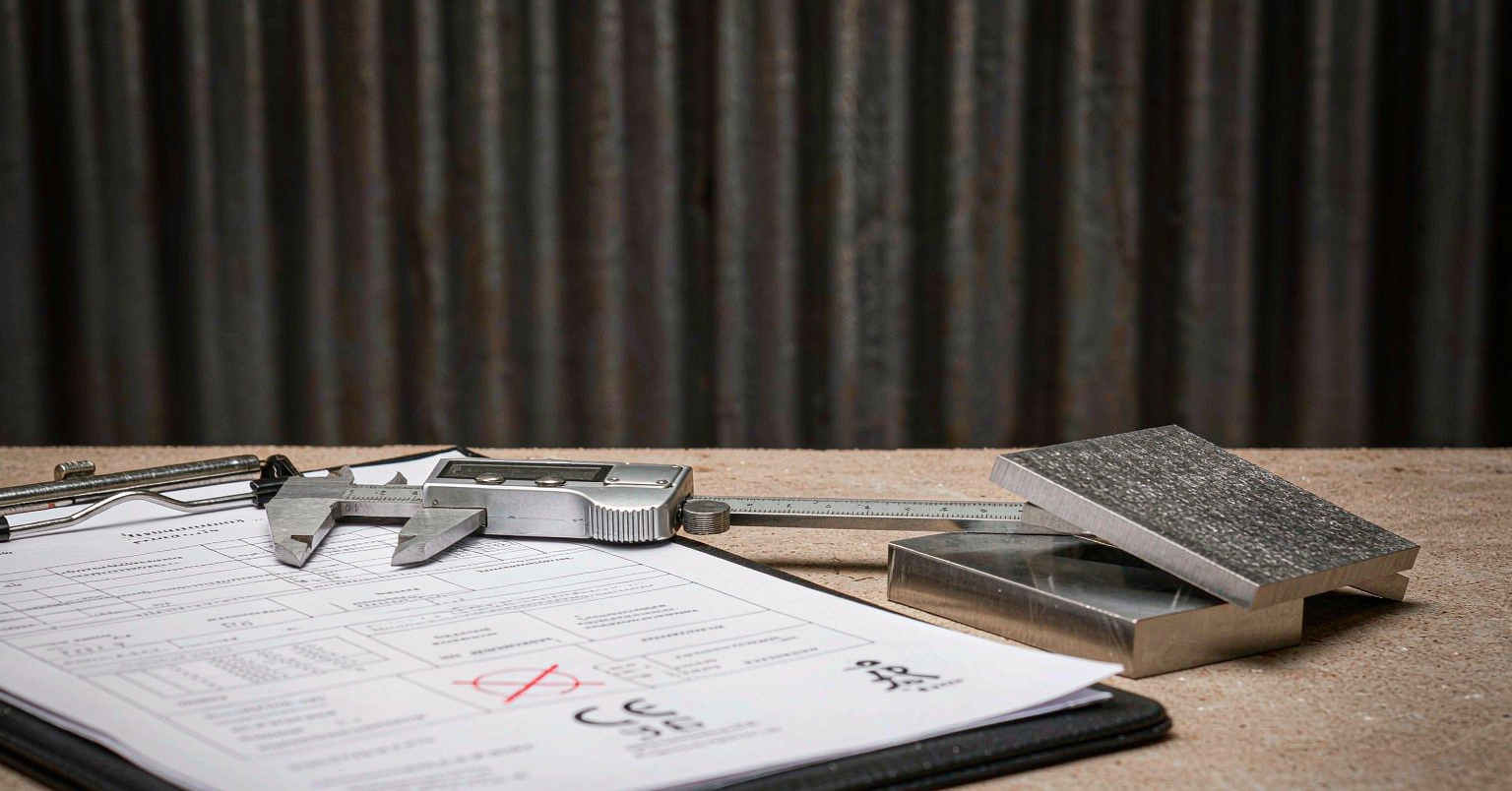
State all dimensions with tolerances, not just nominal sizes. For plate, include thickness, width, length, edge condition, and flatness standard. For pipe, include outside diameter, wall thickness or schedule, length, and end finish. For bars and sections, include cross-section dimensions, length, straightness, and cut tolerance. Reference a recognized tolerance standard such as ASTM A6 for plate, ASTM A500 for sections, or EN 10029.
| Product form | Minimum dimensional data |
|---|---|
| Plate | Thickness (+/−), width, length, edge (mill/sheared/flame-cut), flatness class |
| Pipe | OD, wall thickness/schedule, length per piece, end finish (PE/BE/threaded) |
| Round bar | Diameter tolerance, length, straightness, cut condition |
| Angle / channel / beam | Leg size / web height, flange width, weight/m, length, tolerance standard |
| Wire / coil | Diameter, coil weight, tensile class, surface finish, packing |
3. Quantity, Unit of Measure, and Tolerance on Quantity
Steel is usually sold by the tonne or by the piece. State which unit you are using and whether the supplier is allowed to deliver a percentage over or under. A common commercial tolerance is ±10% on weight or ±1 piece per size. If you need exact quantities for a project bill of materials, say “no over/under delivery allowed without written approval”.
4. Condition and Heat Treatment
The same grade can be supplied annealed, normalized, quenched and tempered, as-rolled, cold-drawn, or peeled. The condition affects machinability, hardness, dimensional tolerance, and price. Do not assume the supplier knows the intended use. Write the condition explicitly: “normalized”, “Q&T 28–32 HRC”, “annealed for machining”, or “as-rolled”.
5. Mechanical and Chemical Test Requirements
Most ASTM and EN standards define a minimum test scope, but buyers often need more. Specify any supplementary tests such as Charpy impact, hardness, bend test, flattening test, ultrasonic examination, or through-thickness tension. Also state the test temperature for impact testing and the acceptance standard for ultrasonic testing.
6. Certification Type and Language
Certificates are not all equal. EN 10204 3.1 is a mill self-declaration. EN 10204 3.2 requires independent inspection witness. A simple mill test report (MTR) may be enough for structural work, while code-stamped pressure equipment needs an ASME data report. State the certificate type and language; English is standard for export, but some projects require bilingual certificates.
| Certificate type | Use case |
|---|---|
| EN 10204 2.1 | Basic compliance statement, no test results |
| EN 10204 2.2 | Mill test report with test results, not specific to the heat |
| EN 10204 3.1 | Test results specific to heat/batch, standard for export |
| EN 10204 3.2 | Independent inspector witnesses testing |
| ASME data report | Code-stamped pressure equipment |
7. Surface Finish, Marking, and Traceability
Describe the required surface condition: as-rolled, shot-blasted, oiled, primed, pickled, or galvanized. Specify marking requirements so each piece can be traced back to its heat and certificate. Marking should include grade, heat number, size, and standard reference. For structural steel, color coding may also be required.
8. Packing, Loading, and Shipping Terms
Steel is heavy, abrasive, and prone to rust in transit. Specify packing method: bundles with steel straps, wooden separators, waterproof paper, plastic end caps, or crates for small pieces. State the Incoterm, port of loading, and shipping deadline. If you have unloading equipment constraints, note them — a container of 12-meter pipes needs special handling.
9. Inspection and Acceptance Criteria
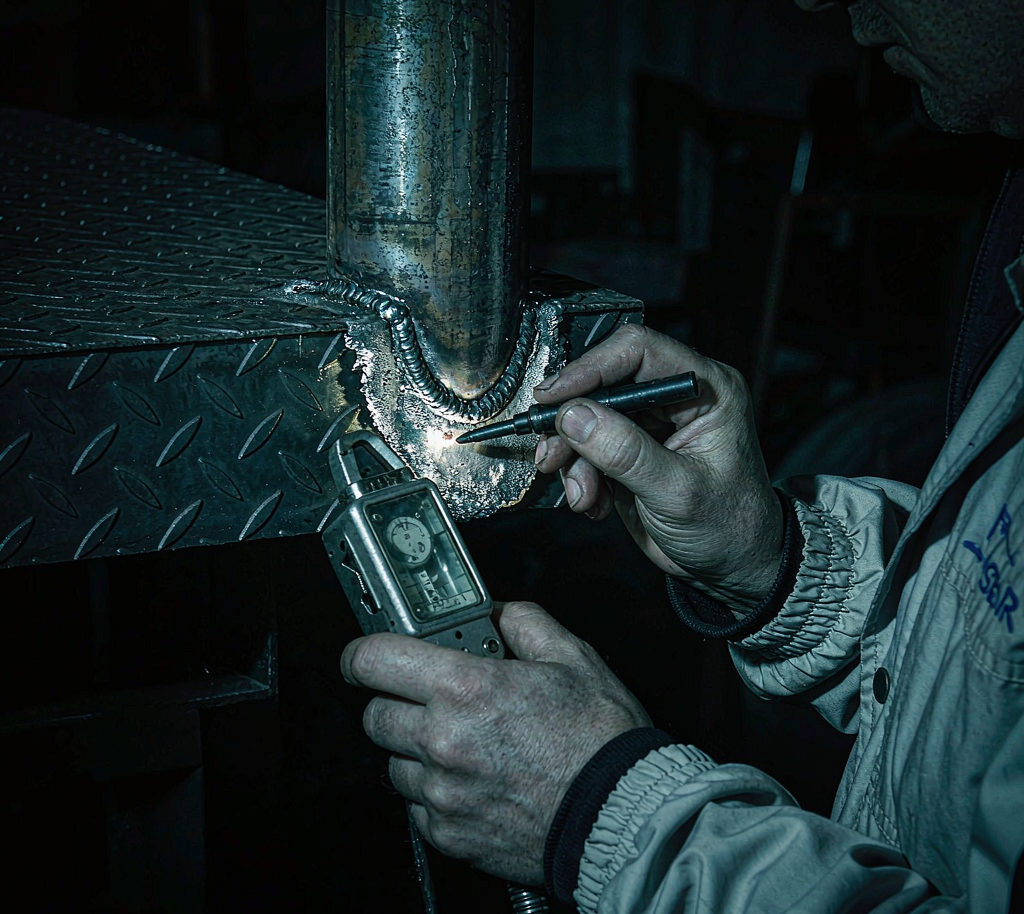
State who inspects the material, when, and on what basis. Pre-shipment inspection by a third party such as SGS, BV, or TÜV is common for high-value orders. Define acceptance criteria: dimensional tolerance, visual defects, test results, and certificate completeness. Also define rejection rights and the procedure for rework or replacement.
10. Substitution and Approval Rules
Suppliers often propose equivalent grades when the exact grade is out of stock. If you allow substitutions, state the conditions: equivalent must be approved in writing, with full chemistry and mechanical property comparison, and must meet the same or higher specification. If substitutions are not allowed, say so clearly.
11. Payment Terms and Currency
Steel exports are typically paid by T/T with a deposit and balance against documents, or by letter of credit. Specify the deposit percentage, payment trigger, currency, and bank charges. For L/C orders, agree on the exact documents required and any tolerance in amount or quantity.
12. Dispute Resolution and Governing Law
Disputes over steel quality or quantity are easier to resolve if the PO already defines the process. Include a clause on how non-conformities are reported, who pays for retesting, and the governing law or arbitration venue. Many international steel contracts use English law, Singapore arbitration, or ICC arbitration.
Quick Reference: PO Checklist Summary
What is the most commonly forgotten item on a steel PO?
Tolerances. Buyers often list a nominal thickness without a tolerance band, then reject a plate that is within ASTM A6 limits. Always reference a tolerance standard or write explicit plus/minus values.
Should I require EN 10204 3.2 for every order?
No. 3.2 certificates add cost and time because an independent inspector must witness testing. For routine structural steel, 3.1 is usually sufficient. Reserve 3.2 for high-value, code-critical, or first-article orders.
Can I use a simple mill test report for pressure vessel steel?
Only if it meets the full requirements of the applicable code. For ASME code work, you need an ASME material data report, not just a generic MTR. Always confirm the certificate type with your inspector or end customer before placing the order.
How do I stop suppliers from substituting equivalent grades?
Write a clear clause: “No substitutions without prior written approval. Any proposed equivalent must be supported by full chemistry, mechanical properties, and a comparison against the specified grade.” Then enforce it by comparing the delivered MTC with the specification.
Need help writing a bulletproof steel PO?
Huaxia-Steel works with buyers to clarify grades, tolerances, tests, and certificates before production starts. Contact our sales team for a free RFQ review and competitive quotation.