Steel Shot Blasting Surface Preparation: Complete Process Guide
Surface preparation is the single most important factor determining coating adhesion and service life on carbon steel. Among all mechanical cleaning methods, steel shot blasting remains the industry standard for removing mill scale, rust, and contaminants while creating an angular surface profile ideal for paint, powder coat, and galvanizing. This guide explains the process, media selection, quality standards, and common mistakes buyers should avoid when specifying shot-blasted steel.
1. How Steel Shot Blasting Works
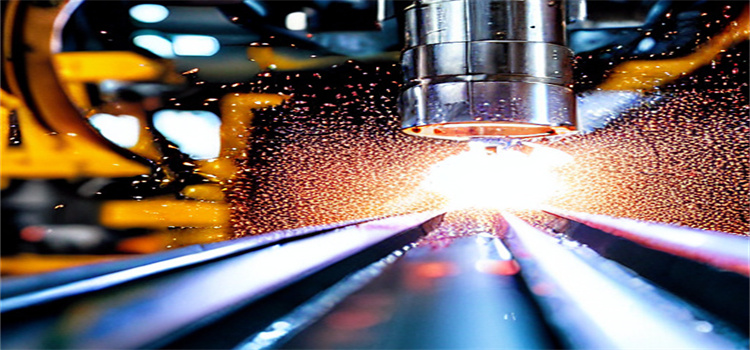
Shot blasting accelerates spherical cast-steel abrasive particles through a centrifugal wheel or compressed-air nozzle onto the steel surface. The impact energy fractures mill scale, strips oxides, and slightly roughens the substrate. Unlike sand blasting, which uses silica sand, steel shot is recyclable up to thousands of cycles and produces minimal dust.
2. Media Types and Size Selection
| Media | Shape | Hardness (HRC) | Best For |
|---|---|---|---|
| Steel Shot (S230-S780) | Spherical | 40 – 65 | General descaling, surface profiling |
| Steel Grit (G12-G120) | Angular | 55 – 65 | Aggressive cleaning, anchor patterns |
| Cut Wire Shot | Cylindrical | 45 – 60 | Precision blasting, low ferrous contamination |
| Stainless Shot | Spherical | 35 – 45 | Non-ferrous applications, no rust staining |
Media size directly affects surface profile depth. For most epoxy coatings on structural steel, S230 or S280 shot achieves a 25–40 µm profile (Sa 2.5), which is the sweet spot for adhesion without over-blasting.
3. Surface Cleanliness Standards (ISO 8501-1)
Buyers should specify blasting quality using the ISO 8501-1 visual preparation grade:
- Sa 1 – Light Blast Cleaning: Loose mill scale and rust removed; tight residues remain.
- Sa 2 – Thorough Blast Cleaning: Nearly all scale and rust removed; slight staining permitted.
- Sa 2.5 – Very Thorough Blast Cleaning: Visible residues limited to light shadows or stripes. Most common for industrial coatings.
- Sa 3 – Blast Cleaning to Visually Clean Steel: Uniform metallic grey, no visible contamination. Required for marine and offshore coatings.
4. Equipment Types: Wheel vs. Air Blasting
Wheel blast machines use high-speed turbines to throw media and are ideal for high-volume plate, coil, and structural section cleaning. Air blast cabinets use compressed air and allow precise nozzle control for complex fabrications and localized repair. For mill-scale removal on hot-rolled plate, continuous wheel blast lines process coils at speeds up to 80 m/min.
5. Common Defects and How to Avoid Them
- Embedded shot: Use magnetic separation or vacuum systems after blasting.
- Excessive profile depth: Reduce media size or wheel speed; deep profiles waste paint.
- Oil contamination: Pre-clean with alkaline degreaser before blasting.
- Flash rusting: Apply primer within 4 hours (or specify VCI film for transit).
6. Cost Factors in Shot Blasting Services
Pricing depends on steel thickness, surface area, initial contamination level, and required Sa grade. As a rule of thumb, in-plant wheel blasting adds $30–60 per metric ton, while custom air blasting of fabricated assemblies runs $80–150 per ton. Specifying Sa 2.5 instead of Sa 3 can reduce costs by 20–30% when the coating system does not demand absolute cleanliness.
7. FAQ
Is shot blasting better than acid pickling?
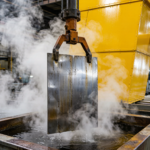
For environmental and safety reasons, shot blasting has largely replaced acid pickling in modern mills. It eliminates hazardous waste and produces a more uniform anchor profile.
Can shot blasting damage thin steel sheets?
Below 1.5 mm, wheel blasting can cause distortion. Specify air blast with lower pressure or alternative chemical cleaning for gauge sheet.
What is the maximum storage time before coating?
In dry indoor storage, blast-cleaned steel remains stable for 24 hours. In humid coastal climates, flash rust can appear within 4–6 hours. Always apply a shop primer immediately after blasting if transit exceeds this window.
8. Conclusion
Steel shot blasting is the most reliable and cost-effective method for preparing carbon steel surfaces before coating. By specifying the correct media size, Sa grade, and post-blast protection, buyers ensure coating systems perform to specification for decades. At Huaxia-Steel, all structural plate and section orders can be supplied with Sa 2.5 shot-blasted and primed finish, complete with surface-profile test reports on request.
Order Shot-Blasted Carbon Steel Plate
Need Sa 2.5 or Sa 3 surface preparation with epoxy primer? Tell us your grade, thickness, and coating specification for a tailored quotation.
Request Pricing