3PE coated steel pipe — three-layer polyethylene anti-corrosion pipe — is the standard choice for buried and submerged carbon steel pipelines that must survive decades of service without external corrosion. A fusion-bonded epoxy primer, an intermediate copolymer adhesive, and an extruded polyethylene topcoat combine to give a coating system that resists cathodic disbondment, soil stress, impact and moisture ingress. We supply 3PE coated line pipe to DIN 30670, CSA Z245.21, GB/T 23257 and SY/T 0413, based on seamless, ERW, LSAW or SSAW base pipe in grades up to L555/X80.
Product Overview
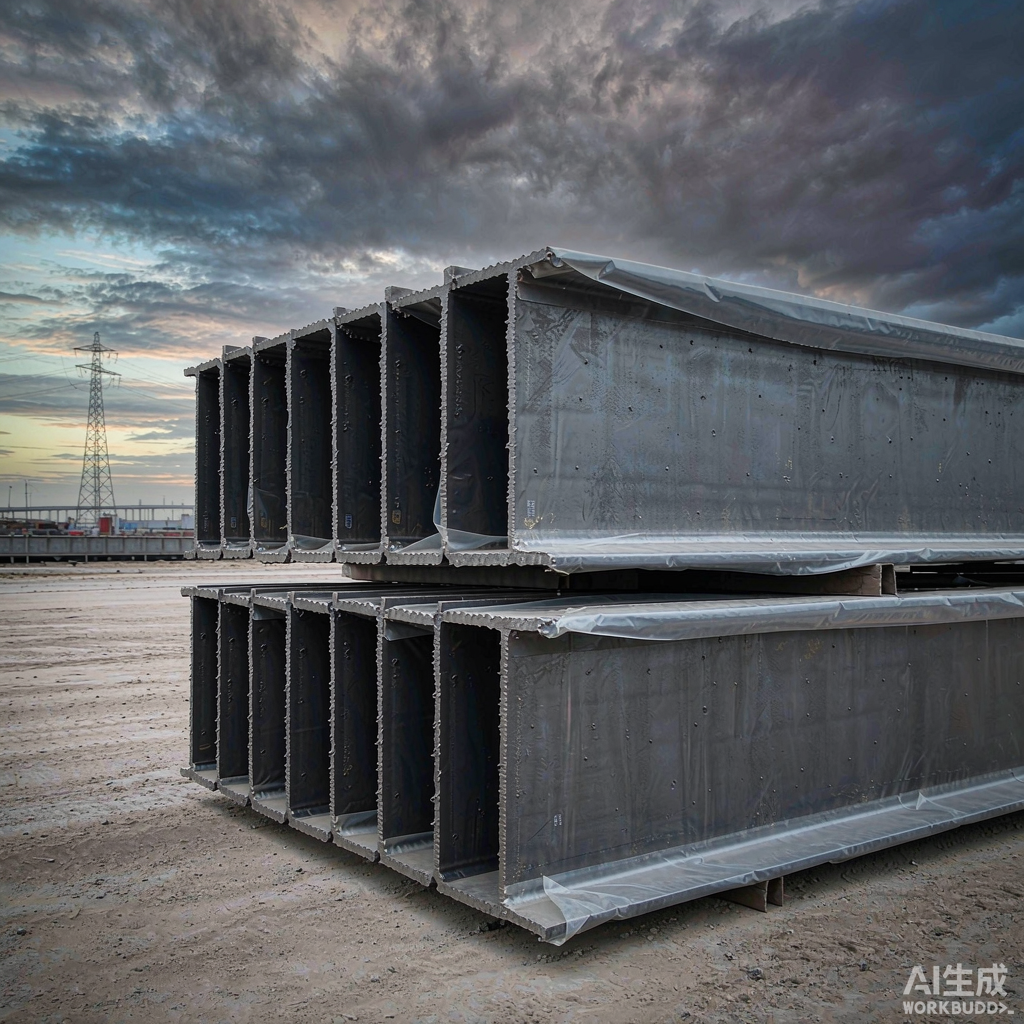
The 3PE system is applied to the finished pipe after surface preparation: the pipe is shot-blasted to Sa 2.5 with a 50-90 µm anchor profile, induction heated to around 200 °C, passed through an FBE powder spray (typical 80-150 µm), then through a copolymer adhesive layer (170-250 µm) and finally side-extruded with polyethylene (1.8-3.7 mm depending on class). The result is a bonded, seamless coating with dielectric strength above 25 kV/mm and service temperature capability up to 70-80 °C (high-temperature grades to 110 °C). Compared with single-layer FBE or two-layer PE, 3PE adds mechanical protection in rocky backfill and trenchless installations — the reason it dominates gas transmission, water transmission and slurry lines worldwide.
Specifications, Dimensions and Weight
| Item | Range / Value |
|---|---|
| Base pipe type | Seamless, ERW, LSAW (JCOE/UOE), SSAW |
| Outer diameter | 21.3 mm – 2,400 mm (DN15 – DN2400) |
| Wall thickness | Sch 10 – Sch XXS, 2.0 mm – 25.4 mm and above |
| Length | 6 m, 12 m, random (5.8–12 m), Double random (11.8–12.2 m) |
| Pipe grades | ASTM A53, A106 Gr B, API 5L Gr B–X80, L245–L555, EN 10208, GB/T 9711 |
| Coating standard | DIN 30670, DIN 30678 (PP), CSA Z245.21, GB/T 23257, SY/T 0413, NF A49-710 |
| Total coating thickness | Class N 1.8–2.5 mm; Class S 2.5–3.2 mm; Class V 3.0–3.7 mm (DIN 30670) |
| FBE layer | 80–150 µm (typically ≥ 100 µm) |
| Adhesive layer | 170–250 µm |
| PE topcoat | 1.5–3.4 mm by class; HDPE/MDPE |
| Ends | Beveled 30° (+5°/−0°) with 50–150 mm coating cutback per order; plain, grooved or coupled |
| Cutback | 100–150 mm standard; epoxy primer on cutback by agreement |
Pipe weight estimation follows: kg/m = 0.02466 × S × (D − S) where S is wall thickness and D is outside diameter in mm. A 610 mm OD × 9.53 mm wall pipe weighs about 141 kg/m, or 1.69 tons per 12-meter length — the number that drives crane, transport and stringing calculations on site.
Coating Layer Structure
| Layer | Material | Thickness | Function |
|---|---|---|---|
| Layer 1 | Fusion bonded epoxy (FBE) | ≥ 80 µm | Primary chemical bonding to steel, cathodic disbondment resistance |
| Layer 2 | Copolymer adhesive | ≥ 170 µm | Chemical bridge between epoxy and PE |
| Layer 3 | Polyethylene (HDPE/MDPE) | 1.5–3.4 mm | Mechanical protection, moisture barrier, impact and soil-stress resistance |
Available Base Pipe and Steel Grades
- API 5L PSL1/PSL2: Gr B, X42, X52, X60, X65, X70, X80 (L245–L555) for oil, gas and water transmission.
- ASTM A106 / A53: Gr B for above-ground process and utility lines where coating is specified for splash zones or direct burial.
- GB/T 9711 / GB/T 8163: L-series line pipe and seamless grades for domestic-specification projects.
- EN 10208 / EN 10216: European-specification line pipe on request.
- Options: 3PP (polypropylene) for higher temperature service up to 110 °C, internal FBE or liquid epoxy lining, concrete weight coating (CWC) for subsea, and internal flow-efficiency coating.
Manufacturing and Inspection Standards
Base pipe is produced and tested to its own product standard (hydrostatic test, NDT of seam, dimensional and mechanical testing), then coating is applied on a dedicated line and tested to the coating standard. Typical inspection items:
| Test | Method | Typical acceptance |
|---|---|---|
| Surface preparation | ISO 8501-1 | Sa 2.5, anchor profile 50–90 µm |
| Coating thickness | Magnetic gauge / micrometer | Per DIN 30670 class, no point below min |
| Holiday detection | Spark test at 15–25 kV | Zero holidays at test voltage |
| Peel strength | DIN 30670 / CSA Z245.21 | ≥ 70 N/cm at 23 °C, ≥ 20 N/cm at 50 °C (grade dependent) |
| Cathodic disbondment | 65 °C, 30 days | ≤ 8–15 mm radius (grade dependent) |
| Impact resistance | Falling weight | ≥ 8–10 J (class dependent) |
| Indentation resistance | DIN 30670 | ≤ specified penetration at 50 °C |
| Elongation at break (PE) | ISO 527 | ≥ 400% |
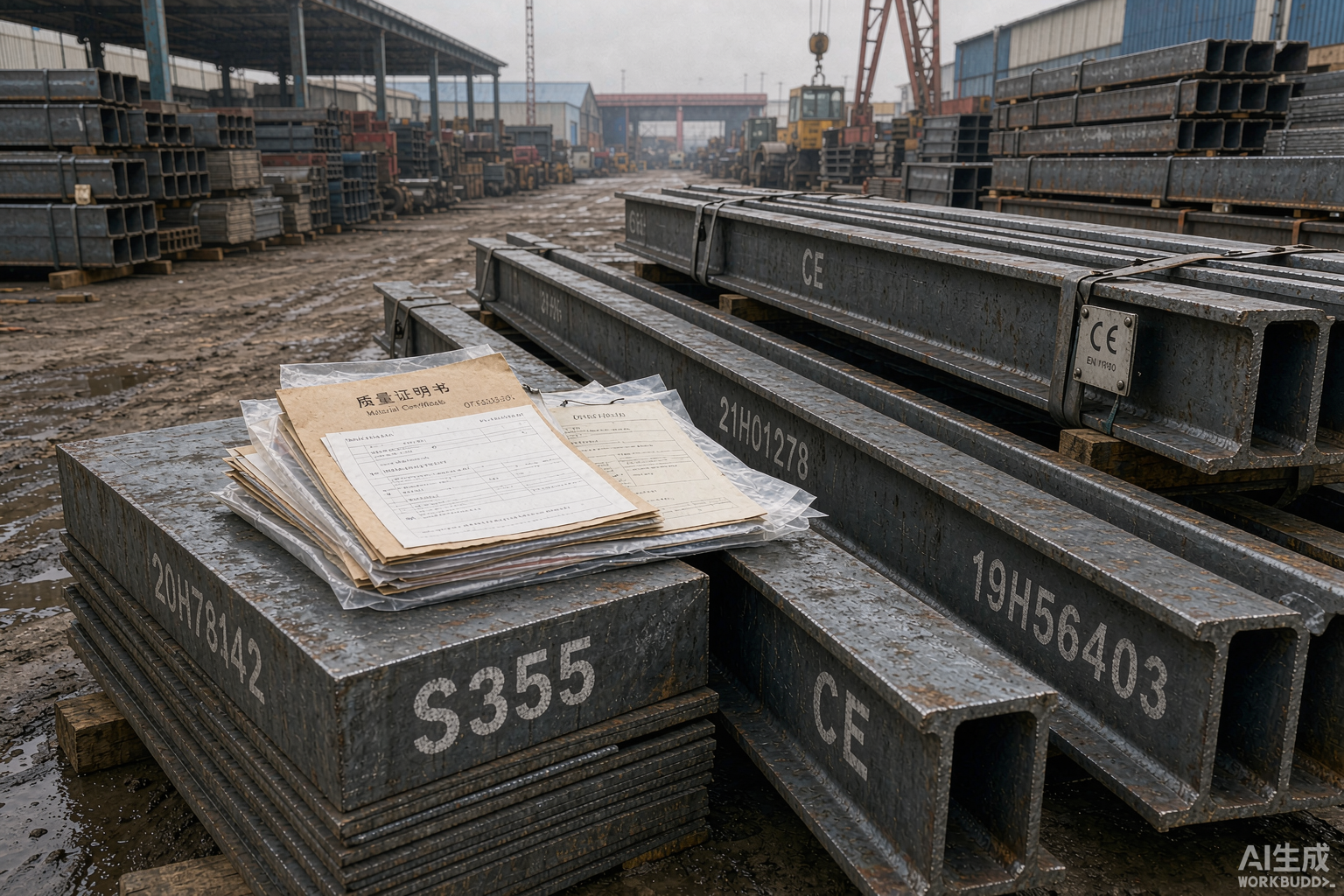
Documentation: base pipe MTC per heat/lot (EN 10204 3.1), coating inspection report per pipe or per batch, hydrostatic test record, and full traceability of pipe number to heat and coating batch.
Applications
3PE coated pipe is specified for: buried oil and gas transmission lines, city gas distribution networks, water transmission and trunk mains, slurry and tailings pipelines, district heating (3PP for higher temperature),Horizontal directional drilling (HDD) crossings where coating must survive pulling abrasion, subsea pipelines with concrete weight coating, and any pipeline designed with cathodic protection. The coating system’s economics are straightforward: coating typically adds 8-15% to pipe cost but extends maintenance-free service life from 10-20 years (bare or bitumen-coated) to 40-50 years, and eliminates the majority of external corrosion failures that drive pipeline repair budgets.
Handling, Storage and Installation Notes
Handle coated pipe with nylon slings or padded hooks — never bare chains or wire ropes on the coated surface. Stack on padded timbers with coating-protective spacers and avoid point loading; store away from prolonged direct UV exposure above 6 months (UV-stabilized grades extend this). During welding, protect the coating near the joint with heat-resistant blankets, and field-joint the cutback with heat-shrink sleeves compatible with the 3PE system (primer + adhesive mastic + PE backing). Backfill with screened material free of sharp rock larger than 100 mm, and holiday-test the entire line after lowering-in before backfilling — the single most cost-effective quality step on any coated pipeline project.
Quality Assurance
Production runs under ISO 9001 with coating line process control (temperature, layer thickness, line speed) logged continuously. Every pipe receives 100% holiday (spark) testing and thickness verification; peel strength, cathodic disbondment and impact tests are performed at defined batch frequency (typically one set per 200 pipes or per shift). We support client or third-party inspection at the coating line (SGS, BV, TUV, Intertek, DNV), including witnessed destructive testing and full document review. Coating repair procedures, field-joint sleeve specification and holiday test voltage are agreed before production so site crews receive pipe that matches their field procedures.
Packaging and Shipping
Coated pipes are nested in bundles with spacers between layers, protected with end caps, and strapped with padded or non-metallic banding to avoid coating damage. Small and medium diameters ship in 20’/40′ containers with dunnage; large diameters ship break-bulk or on flat racks with timber cradles and lashing. Each pipe carries stenciled identification: grade, size, standard, heat/lot number, coating class, and pipe number. Typical lead time: 20-30 days for standard sizes from stock pipe, 30-45 days for mill production plus coating on large-diameter LSAW/SSAW orders. MOQ: 10 tons per size, with mixed-size containers negotiable.
Comparison: 3PE vs Other External Coatings
| System | Thickness | Max service temp | Mechanical protection | Typical use |
|---|---|---|---|---|
| Single-layer FBE | 350–450 µm | ~80 °C | Moderate | Directional drilling, holiday-sensitive but thin |
| Dual-layer FBE (abrasion resistant) | 600–1,000 µm | ~85 °C | Good | HDD crossings, rocky terrain |
| 2-layer PE (adhesive + PE) | 1.8–3.0 mm | ~60 °C | Good | Older systems, lower cost |
| 3-layer PE (3PE) | 1.8–3.7 mm | 70–80 °C | Excellent | Buried transmission mains — the default |
| 3-layer PP (3PP) | 1.8–3.0 mm | 110–140 °C | Excellent | High-temperature flowlines, deepwater |
| Coal tar enamel | 3–6 mm | ~50 °C | Good | Legacy systems, environmental restrictions |
3PE wins where burial depth, rocky backfill or trenchless installation put mechanical load on the coating; dual-layer FBE wins where the line runs hot or where coating thickness must stay minimal for annular clearance (e.g., HDD inside a drilled hole). Where operating temperature exceeds 80 °C, step up to 3PP and confirm the adhesive system is rated for the service temperature — a recurring specification error is ordering 3PE for a 95 °C line and discovering coating creep during commissioning.
Field Joints and Repair
We supply compatible field-joint kits alongside the line pipe: heat-shrink sleeves with epoxy primer and mastic adhesive sized to the pipe diameter, two-component liquid epoxy for repairs and small radii, and patch sticks for holidays found after lowering-in. Matching the sleeve system to the mill coating prevents the most common field failure — disbondment at the joint caused by incompatible adhesives. Recommended procedure: clean and preheat the cutback and adjacent coating to 60-80 °C, apply primer to the steel and to the chamfered coating edge, wrap the sleeve with the closure positioned away from the 6 o’clock position, shrink from centre outward using a propane torch (never an open acetylene flame on the coating), and holiday-test every joint at the same voltage as the mill coating before backfilling.
Pricing Factors and Lead Time Planning
3PE pipe pricing has three components: base pipe (60-75% of cost, following steel index and wall thickness), coating (10-20%, driven by coating class — Class V heavy coating costs roughly 40% more than Class N), and logistics (10-20%, where diameter and length determine container versus break-bulk routing). Coating class selection is the main value lever: Class N suits normal burial, Class S rocky terrain, Class V severe mechanical exposure — paying for Class V on sandy-soil distribution lines wastes 5-8% of project cost. Lead time planning should separate base pipe production (15-30 days depending on whether stock pipe exists) from coating (5-10 days) and document preparation (3-7 days for full MTC plus coating reports), then add marine transit. Third-party inspection adds 3-7 days and should be booked at order confirmation, not after production.
Send us your pipe diameter, wall thickness, grade, coating class and quantity for a firm 3PE coated steel pipe quotation within 24 hours — with MTC, coating test reports and third-party inspection available before shipment.