ASTM A334 Grade 6 Pipe Carbon Steel — Factory Direct Supplier | Huaxia-Steel
ASTM A334 Grade 6 is a seamless carbon steel pipe specification for low-temperature service, used where piping must retain toughness at temperatures down to about minus 45 degrees Celsius. It is common in cryogenic, refrigeration, LNG and low-temperature process piping.
Huaxia-Steel supplies A334 Grade 6 seamless pipe in sizes from 1/2 inch to 24 inch, in schedules from SCH 10 to SCH XXS, with impact testing and full mill certification.
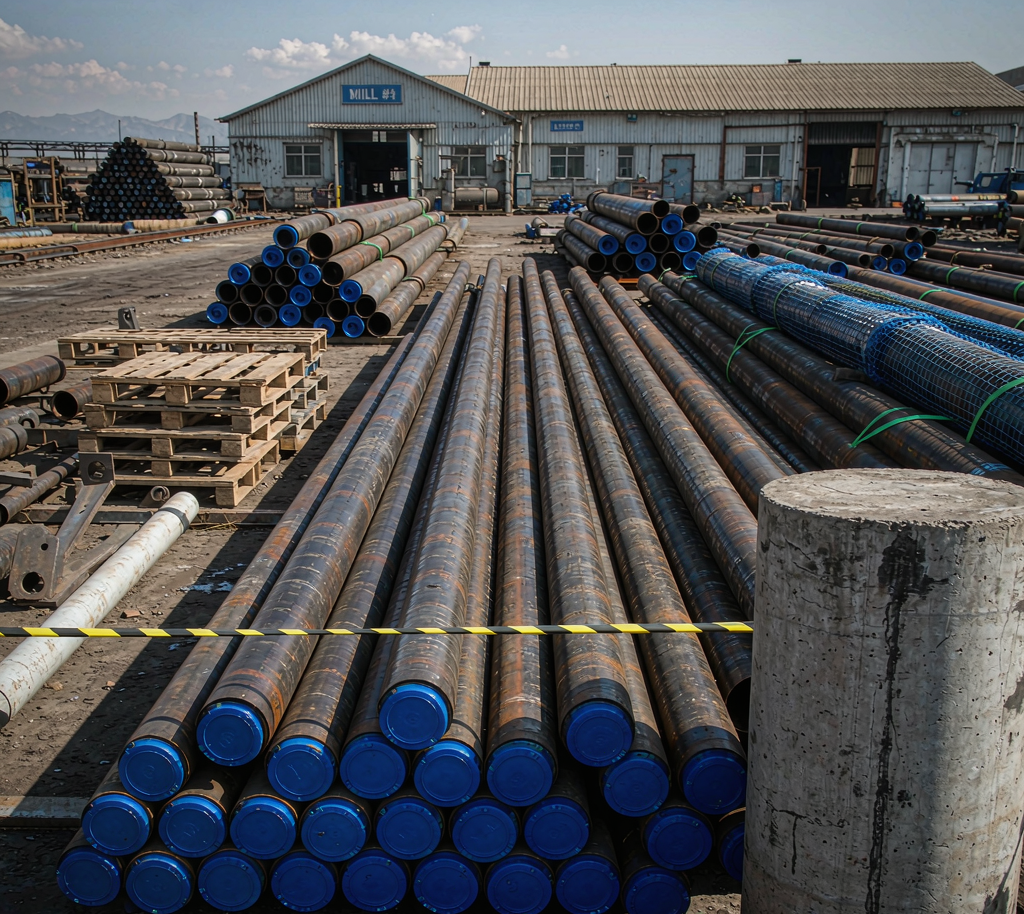
Product Overview
A334 Grade 6 pipe is made to a low-temperature specification, which means the steel is fully killed and the chemistry is controlled to keep toughness at low temperature. The grade is impact tested to confirm it will not become brittle in cold service, which is the key difference from a standard A106 pipe.
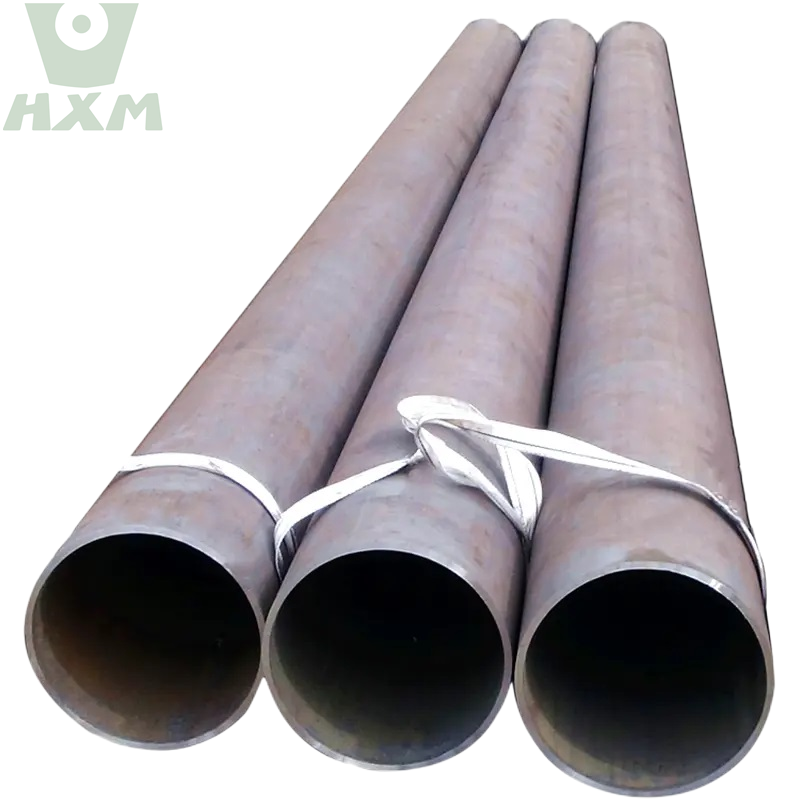
Pipe is supplied seamless, in random lengths of 5 to 7 metres or double random lengths, with plain, bevelled or threaded ends. It can be supplied in black or pickled finish, with or without protective coating.
Specifications
| Parameter | Range / Standard |
|---|---|
| Size | 1/2 inch – 24 inch (DN15 – DN600) |
| Schedule | SCH 10, 20, 40, 80, 120, 160, XXS |
| Wall thickness | 2.77 mm – 30 mm depending on size and schedule |
| Length | 5 – 7 m random, or fixed length |
| Ends | Plain, bevelled, threaded |
| Tolerance | per ASTM A999 / ASME B36.10M |
| Test | Hydrostatic or non-destructive, impact test per grade |
Wall thickness and tolerance follow ASME B36.10M and ASTM A999, and we confirm the schedule against your piping class before rolling. For cryogenic service, impact test temperature and acceptance energy are stated on the purchase order and verified on the certificate.
Available Grades and Chemistry
| Element | A334 Grade 6 requirement |
|---|---|
| Carbon (max) | 0.30 |
| Manganese | 0.29 – 1.06 |
| Phosphorus (max) | 0.025 |
| Sulfur (max) | 0.025 |
| Silicon (min) | 0.10 |
The low phosphorus and sulfur limits are important for low-temperature toughness. Grade 6 is the most common grade in the A334 family; Grades 1, 3, 7, 8 and 9 cover other temperature ranges and should be selected against the design minimum temperature.
Manufacturing Standards
- ASTM A334 / A334M – seamless carbon steel pipe for low-temperature service
- ASME B36.10M – welded and seamless wrought steel pipe dimensions
- ASTM A999 / A999M – general requirements for alloy and stainless pipe
- ASTM A370 – mechanical testing methods
Each lot is supplied with a mill test certificate showing chemistry, tensile properties and impact test results at the specified temperature. Hydrostatic or non-destructive testing is performed per the specification, and we can arrange third-party witness testing on request.
Applications
A334 Grade 6 pipe is used in low-temperature process piping, refrigeration systems, cryogenic equipment, LNG and gas processing, and cold-storage facilities. It is also used in pipeline systems where the design temperature falls below the range of standard A106 pipe.
Because the grade is selected for toughness rather than strength, it is not a substitute for high-temperature or high-pressure grades such as A106 or A335. Matching the grade to the design temperature and pressure is essential for safe operation.
Quality Assurance
Chemistry and impact properties are verified per heat, and dimensions, wall thickness and straightness are checked before shipment. Each pipe is marked with heat number, size, schedule and grade. We retain test records for traceability and can supply a certificate of conformity for export.
Third-party inspection by SGS, BV, Intertek or TUV is available, including witness of impact testing and hydrostatic testing. For critical low-temperature service, we recommend third-party witness of the impact test to confirm the test temperature and energy.
Packaging and Shipping
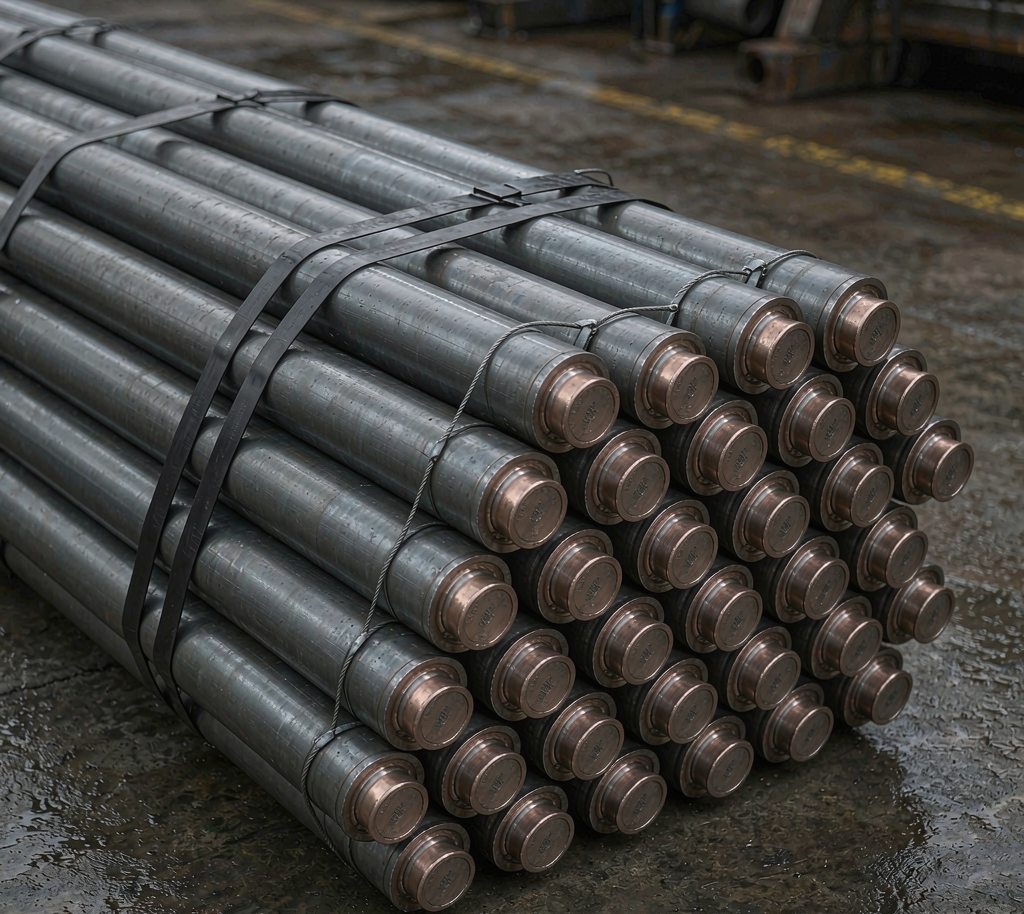
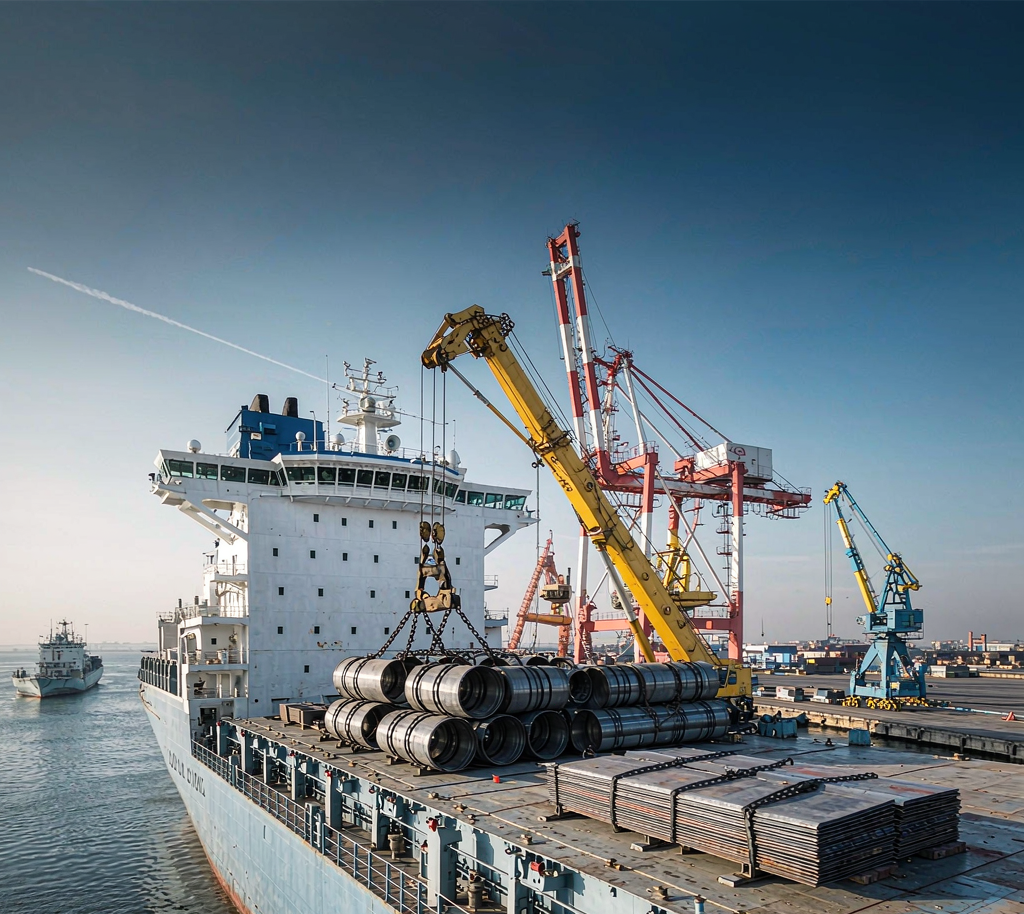
Pipe is supplied in bundles or hexagonal bundles, secured with steel strapping and protected with end caps. For export, we use seaworthy packing with VCI or protective coating to prevent rust during transit. We ship from Tianjin, Qingdao and Shanghai on FOB, CFR, CIF or DAP terms.
Lead time is typically 15 to 25 days for stock sizes and 30 to 45 days for mill rolling, depending on size and schedule. Impact-tested lots may require additional time for testing and certification.
Impact Testing and Low-Temperature Performance
The defining feature of A334 Grade 6 is its low-temperature toughness, verified by Charpy impact testing. The specification requires impact testing at a temperature agreed between buyer and supplier, commonly around minus 45 degrees Celsius for Grade 6. The acceptance energy is set by the specification and the pipe size, and the test is performed on specimens from the finished pipe.
Impact testing is not a formality. A pipe that meets tensile requirements but fails impact testing can fracture brittly in cold service, which is a serious safety risk in cryogenic and refrigeration systems. Buyers should confirm the test temperature, specimen orientation and acceptance criteria on the certificate, and consider third-party witness for critical service.
A334 Gr6 vs A333 Gr6 vs A106 GrB
| Specification | Service temperature | Impact tested | Typical use |
|---|---|---|---|
| A334 Gr6 | Low temperature (to about -45 C) | Yes | Cryogenic, refrigeration |
| A333 Gr6 | Low temperature (to about -45 C) | Yes | Low-temp pipelines |
| A106 GrB | High temperature | No (unless specified) | General and high-temp service |
A334 and A333 are closely related low-temperature specifications, with A334 used for pipe and A333 for pipe and tube in low-temperature service. A106 GrB is a high-temperature grade and is not impact tested by default, so it should not be substituted in cold service. Matching the grade to the design temperature is essential.
Pipe Ends and Fabrication
A334 Grade 6 pipe can be supplied with plain, bevelled or threaded ends. Bevelled ends are standard for welding and are cut to the angle specified in ASME B16.25. Threaded ends follow ASME B1.20.1 and are used in smaller sizes or where welding is impractical. Plain ends are used when the pipe will be cut and prepared on site.
For fabrication, the low-temperature grade requires controlled welding with qualified procedures and low-hydrogen consumables. Preheat is generally not required for thin-wall pipe but may be needed for thick sections. Post-weld heat treatment is usually not required, but the welding procedure should be qualified for the service temperature.
How to Order Low-Temperature Pipe
- Confirm the design minimum temperature and select Grade 6 accordingly.
- State size, schedule, wall thickness and length.
- Specify end type (plain, bevelled, threaded) and any end preparation standard.
- State the impact test temperature and acceptance criteria.
- Require a mill test certificate with chemistry, tensile and impact results.
Because impact-tested pipe takes longer to produce and certify, lead times are longer than for standard A106 pipe. Ordering early and confirming the test temperature up front avoids delays at the fabrication stage.
Inspection and Documentation
A334 pipe is supplied with a mill test certificate showing chemistry, tensile properties and impact results. Hydrostatic or non-destructive testing is performed per the specification, and the pipe is marked with heat number, size, schedule and grade. We retain records for traceability and can provide a certificate of conformity for export.
For critical low-temperature service, third-party inspection by SGS, BV, Intertek or TUV is recommended, including witness of impact testing. The cost is small compared with the risk of a pipe that fails in cold service, and it gives the project team independent assurance.
Hydrostatic and Non-Destructive Testing
A334 pipe is normally tested hydrostatically or by non-destructive methods per the specification. Hydrostatic testing confirms that the pipe holds pressure without leakage, while non-destructive testing such as ultrasonic or eddy current inspection detects wall defects that hydrostatic testing may miss. The test method and acceptance criteria should be stated on the purchase order.
For critical low-temperature service, we recommend both hydrostatic and non-destructive testing, with third-party witness. The combination gives confidence that the pipe is sound through the wall and will perform in service, which matters more in cryogenic applications than in general piping.
Corrosion Protection and Storage
Carbon steel pipe will rust if stored unprotected, especially in humid or coastal environments. We supply pipe with a protective coating, VCI film or end caps, and we recommend indoor storage or covered storage on site. Pipe stored outdoors should be raised off the ground and covered to prevent water pooling inside.
Before installation, pipe should be inspected for rust and debris, and the bore should be cleaned if it has been stored open. For low-temperature service, cleanliness is especially important because debris can affect flow and instrumentation.
Frequently Asked Questions
What is A334 Grade 6 used for?
It is used for low-temperature service piping such as refrigeration, cryogenic equipment, LNG and cold process systems, where the pipe must retain toughness at temperatures down to about minus 45 degrees Celsius.
Is A334 Grade 6 the same as A333 Grade 6?
They are closely related low-temperature specifications. A334 covers pipe and A333 covers pipe and tube, both for low-temperature service. They are often interchangeable in practice, but the governing specification should be confirmed against the design code.
Does A334 Grade 6 pipe require impact testing?
Yes. Low-temperature toughness is the defining feature of the grade, and impact testing at the specified temperature is required. Confirm the test temperature and acceptance criteria on the mill certificate before accepting the pipe.
Get a Quote from Huaxia-Steel
Factory-direct carbon steel with MTR, third-party inspection and fast export shipping. Send your grade, size, quantity and destination — we return a firm quote within 24 hours.