Preheating is the cheapest insurance in carbon steel fabrication — and the most frequently skipped. When a 30 mm A36 or S355 plate cracks hours after welding, the root cause is almost always the same trio: insufficient preheat, hydrogen in the weld zone, and restraint the joint was never designed for. This guide explains, in numbers a buyer and a welding foreman can both use, when carbon steel needs preheat, how hot it must be, how to measure it correctly, and what to demand from your fabrication supplier so cracked weldments never reach your inspection gate.
Why Carbon Steel Needs Preheat: The Three Jobs It Does
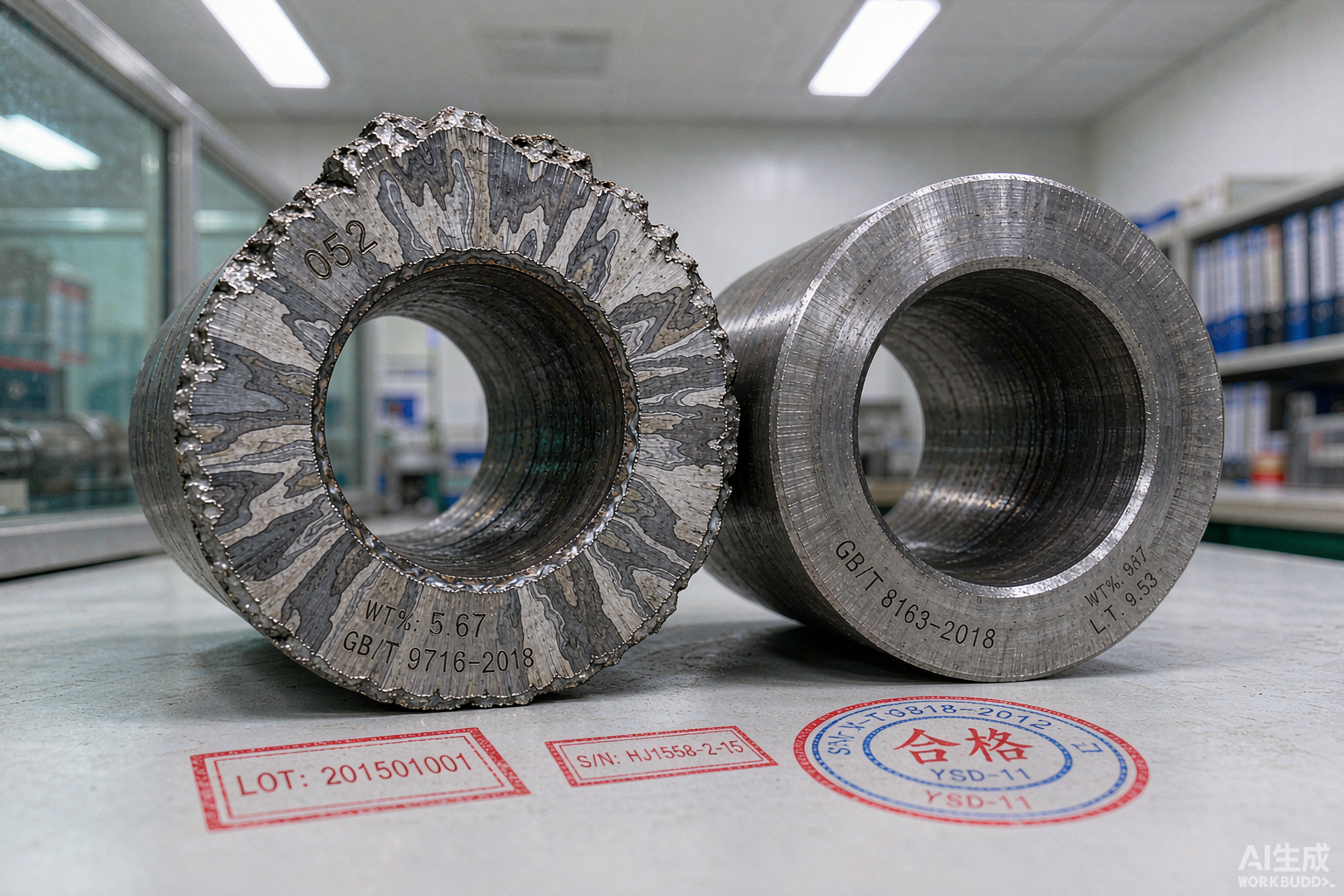
Preheat does three jobs at once. First, it slows the cooling rate of the weld and heat-affected zone (HAZ). Carbon steels with a carbon equivalent above roughly 0.40 can form hard, brittle martensite in the HAZ when cooling is fast; slowing the cool-down lets the microstructure transform to softer ferrite and pearlite instead. Second, a warm joint drives off moisture and reduces hydrogen: hydrogen from damp flux, condensation or surface contamination dissolves into the molten weld pool and, trapped as the metal freezes, later causes cold cracking — sometimes days after the weld has cooled, which is why the defect is called hydrogen-assisted cracking or “delayed” cracking. Third, preheat reduces thermal gradient and residual stress between the hot weld and the cold parent plate, lowering the restraint-driven stresses that open cracks at fillet toes and tack welds.
The physics explains why thin, low-carbon plate welds fine without any preheat, while thick plate does not. Heat flows away from the joint roughly in proportion to thickness, so a 6 mm plate at 20 °C ambient cools slowly enough to avoid martensite, while a 60 mm section chills the pool so fast that even a modest-carbon steel hardens. Thickness, carbon content and hydrogen control are therefore always evaluated together — never one alone.
Carbon Equivalent: The Number That Predicts Cracking Risk
Weldability of carbon steel is ranked by the carbon equivalent (CEV) calculated from the mill certificate chemistry. The IIW formula is CEV = C + Mn/6 + (Cr + Mo + V)/5 + (Ni + Cu)/15. For the common structural and pressure grades, typical values are:
| Grade | Typical CEV | Cracking tendency |
|---|---|---|
| S235JR / Q235B | 0.25 – 0.35 | low — preheat rarely needed below 40 mm |
| A36 | 0.28 – 0.45 (chemistry spread by thickness) | low to medium — check the MTC, not the name |
| S355JR / Q355B | 0.35 – 0.45 | medium — preheat from 20–30 mm up |
| C45 / 1045 | 0.60 – 0.75 | high — preheat plus immediate post-weld treatment |
| 4140 / 42CrMo4 | 0.80 – 1.00 | very high — full preheat, PWHT mandatory in practice |
A useful working rule: CEV below 0.40 with plate under 20 mm welds cold under normal conditions; 0.40 to 0.50 needs increasing preheat as thickness grows; above 0.50, preheat is non-negotiable and hydrogen must be managed with low-hydrogen consumables baked per manufacturer instructions, plus often an immediate post-weld hydrogen release treatment at 250 to 300 °C. Because A36’s specification permits a wide chemistry spread, its CEV on the certificate is the only reliable guide — one heat may weld cold while the next heat of the “same grade” needs 100 °C preheat at 40 mm.
Recommended Preheat and Interpass Temperatures by Thickness
The table below consolidates AWS D1.1 (structural welding code) Table 3.3 practice for commonly welded carbon steels with low-hydrogen electrodes, and aligns with EN 1011-2 guidance for S235/S355 grades. It assumes shielded metal arc welding with E7018, GMAW or FCAW, ambient temperature at or above 0 °C, and no unusual restraint.
| Thickness at joint (thickest member) | CEV ≤ 0.40 | CEV 0.41 – 0.50 | CEV > 0.50 |
|---|---|---|---|
| up to 20 mm | no preheat (10 °C min for damp conditions) | 50 °C | 100 °C |
| 20 – 40 mm | 50 °C | 75 – 100 °C | 125 – 150 °C |
| 40 – 75 mm | 100 °C | 125 °C | 175 °C |
| over 75 mm | 125 °C | 150 – 175 °C | 200 °C and procedure qualification required |
Three qualifications apply to every row. First, interpass temperature — the temperature of the joint before each new weld pass — should normally equal the preheat minimum but stay below about 250 °C for carbon steel, because excessive interpass heat coarsens grain and lowers toughness. Second, cold ambient conditions shift everything up: welding below 0 °C requires preheating regardless of CEV, typically to a minimum of 50 °C on thin sections. Third, highly restrained joints — heavy gussets, box connections, full-penetration splices in rigid frames — justify one class higher preheat than the table indicates, because restraint multiplies stress regardless of chemistry.
How to Measure Preheat Correctly (Most Shops Get This Wrong)
A preheat that is not measured correctly does not count. The accepted methods, in increasing order of reliability:
- Temperature-indicating crayons: stroke the crayon on the heated surface; when the pigment melts at its rated temperature, the target is reached. Cheap and standard on most shops. Verify the crayon grade matches the target (100 °C, 125 °C, 150 °C) and store them cool — heat-cycled crayons melt early and lie.
- Contact pyrometer / infrared gun: fast, but IR guns read emissivity-dependent values on shiny steel; apply the spot method with a dab of matte paint or use a contact thermocouple for accuracy.
- Contact thermocouple with digital gauge: the reference method for procedure qualification records and third-party witnessing; clip the probe to the surface 75 mm from the joint line.
Where to measure is as important as how. Both AWS D1.1 and EN 1011-2 require the specified preheat to be reached at a distance of at least 75 mm (3 in) from the joint in all directions, and — the step most often skipped — the heat must soak through the full joint thickness before welding starts. A torch played on the surface for two minutes produces a 150 °C skin over a 20 °C core; the weld never sees the preheat. Correct practice: preheat both faces, allow soak time of roughly 2 to 3 minutes per 10 mm of thickness with soft flame or ceramic pads, then verify at depth with a crayon mark on the reverse side. Digital contact gauges with thin-plate penetration probes make this check quick on production work.
Heating Methods and Equipment
For plate up to about 25 mm, oxy-fuel torches with rosebud tips are the standard tool: cheap, mobile and adequate if the operator keeps the flame moving. Above 40 mm, or on restrained fabrications, induction heating pads and ceramic electric resistance (heat treating) pads take over — they heat uniformly, hold a setpoint automatically and can also perform the post-weld hydrogen release without re-rigging. For pipe spools, wrap-around resistance blankets with thermocouples are the cleanest solution and produce the logged temperature records that pressure-piping codes such as ASME B31.3 expect for inspection. Gas preheat on galvanized or coated steel requires complete coating removal for at least 100 mm on each side of the joint first; burning zinc or paint into the weld zone contaminates the pool and adds fume hazards.
Post-Weld Heat Treatment and Hydrogen Release: What Counts and What Is Overkill
Not every preheated weld needs post-weld heat treatment (PWHT). The decisions separate cleanly:
- Hydrogen release (soak): hold the joint at 250 to 300 °C for 1 to 2 hours immediately after welding. Recommended for CEV above 0.45, thicknesses over 50 mm, and any repair welding on hard-to-replace components. It is cheap insurance against delayed cracking and requires no furnace.
- Stress-relief PWHT: 580 to 620 °C soak, 1 hour per 25 mm of thickness, controlled heating and cooling rates per ASME or EN 13445. Required when the governing code demands it (pressure vessels above thickness limits), when dimensional stability after machining matters, or when service conditions (fatigue, stress corrosion) justify removing residual stress.
- Nothing: low-carbon structural welds under 20 mm with CEV below 0.40, welded with low-hydrogen consumables and correctly preheated where the table says so, need neither treatment. Adding unnecessary PWHT costs money and, on some steels, can even lower toughness in the HAZ.
After any delayed-crack-prone weldment, schedule inspection 48 hours after completion — hydrogen cracks grow with time, so a weld that passes visual immediately after cooling can still fail the next day. This 48-hour rule is written into many quality plans and is a standard third-party inspection clause for thick-section fabrications.
What Buyers Should Put in the Purchase Order and Inspection Plan
Preheat failures are procurement failures as often as workshop failures. If the PO does not state the requirement, the fabricator will not price the heat, the labor or the thermocouples — and will not use them. A four-line preheat clause prevents most disputes:
- State the governing standard: AWS D1.1, EN 1090 / EN 1011-2, ASME IX or the project welding specification, and that preheat tables in that document govern.
- State the minimum preheat and interpass temperatures for each joint class, or require the fabricator to submit a Welding Procedure Specification (WPS) with qualified Procedure Qualification Record (PQR) for review before production.
- Require temperature records: crayon verification noted on the weld map, or logged thermocouple charts for thick and restrained joints, retained with the quality file.
- Require 48-hour delayed NDT (UT or MT) on full-penetration and heavy-section welds before final acceptance and shipment release.
During pre-shipment inspection, the third-party inspector should check: consumable ovens and baking logs, the actual crayons on site, ambient condition records when weather is cold or humid, and evidence that preheat was applied to both faces of thick joints. These checks take minutes and catch the shortcuts that ultrasonic testing finds later at ten times the cost — or that the client finds after the crane is erected.
Case Numbers: What Skipping Preheat Actually Costs
A representative example from export fabrication: 48 base plates of 60 mm S355JR welded to 610 mm pipe piles for a marine jetty. Correct practice — 125 °C preheat, E7018 baked at 350 °C, 48-hour UT — adds roughly 8 to 12 percent to welding labor and consumable cost on the item. Skipped preheat on such joints has a well-documented failure pattern: toe cracks detected by UT in 10 to 30 percent of welds, followed by gouging out, re-welding and re-testing at 2 to 4 times the original weld cost, plus vessel or pile schedule slip of one to three weeks. On a 200-ton fabrication, the preheat decision swings total project cost by far more than any steel price negotiation. The economics are not subtle: preheat is priced in hours; cracks are priced in weeks.
Preheat Rules for Pipe Welding and Field Repairs
Pipe welding follows the same physics with extra complications. Wall thickness, not nominal pipe size, sets the preheat class: a 610 mm (24 in) pipe with 9.5 mm wall welds like 10 mm plate, while the same pipe in schedule 80 (about 17 mm wall) moves one class up. Pressure piping codes add their own floors — ASME B31.3 requires preheat per the qualified WPS with typical minimums of 10 °C for carbon steel and 50 to 95 °C for higher-carbon and low-alloy grades, and API 1104 for pipeline work sets minimum preheat and interpass that the contractor must hold in wind, rain and desert cold alike. Field reality matters: a morning start on cold ground, wind chill on the bevel, and groundwater wicking into the trench all cool the joint faster than the shop table assumed, so field preheat minimums are usually set one step above the shop table for good reason.
Repairs and tack welds deserve special respect. Tack welds are miniature joints with maximum restraint — they cool in seconds, crack invisibly, and every production weld is then laid over a cracked tack. Correct practice on plate above 20 mm or CEV above 0.40: preheat the tack zone exactly as for the production joint, use the same low-hydrogen electrode, and grind tack ends to a gentle taper before bridging. Repair welding on used equipment is harder still: the old steel’s chemistry is unknown, hydrogen is present in rust and scale, and restraint is whatever the structure says. Standard procedure: sample and analyze the base metal (portable optical emission spectrometers give CEV in under a minute), preheat 100 to 150 °C as a default for unknown medium-carbon steel, use E7018 straight from a hot oven, apply the hydrogen release soak, and hold the 48-hour inspection window before the equipment returns to service.
Count the full cost stack when you compare quotes. A fabrication quotation that includes preheat carries: heating labor and gas or power (0.5 to 1.5 hours per joint depending on thickness), thermocouples and record keeping, electrode oven capacity and baking discipline, and inspection hours for temperature verification. A quote 5 percent lower without these items is not cheaper — it transfers the cracking risk from the fabricator’s balance sheet to yours, Usually at the least convenient moment, right before final shipment or immediately after site erection, when every repair day carries crane and crew standby costs. Sophisticated buyers therefore treat a documented preheat clause plus NDT evidence as a price-comparison item of equal weight with the steel tonnage itself.
Frequently Asked Questions
At what thickness does carbon steel need preheat?
For low-carbon structural grades (CEV below about 0.40) welded with low-hydrogen consumables, AWS D1.1 practice requires preheat starting around 20 to 25 mm in restrained joints and above 40 mm generally. Grades with CEV above 0.45 need preheat from roughly 12 to 20 mm upward. Always confirm against the governing code table and the actual CEV on the mill certificate.
What temperature should I preheat A36 steel to?
Check the CEV of the heat first. Typical A36 (CEV 0.30–0.40): no preheat up to 20 mm, 50 to 100 °C for 20 to 40 mm, 100 to 125 °C above 40 mm. High-carbon heats approaching CEV 0.45 at heavy thickness should use the middle column of the table plus 48-hour delayed inspection. Interpass should not exceed about 250 °C.
Can I weld without preheat if I use low-hydrogen electrodes?
Low-hydrogen consumables (E7018, ER70S-6 with clean gas coverage) remove one of the three cracking ingredients — hydrogen — but do nothing about cooling rate and restraint. On thin, low-carbon plate that is enough. On thick or high-CEV joints, hydrogen control alone is not a substitute for the code-required preheat.
How do I check preheat temperature on site?
Use a temperature-indicating crayon of the correct rating, applied at least 75 mm from the joint line after the plate has soaked, on both faces of thick sections. For qualification and witnessed production, use a contact thermocouple. Record the result on the weld map or a temperature log that stays in the quality file.
Does preheat temperature need to be maintained during welding?
Yes. The preheat minimum also applies as the interpass minimum before every pass, and the maximum interpass (usually 250 °C for carbon steel) must not be exceeded. On long joints, re-check with the crayon at each restart; on cold or windy sites, insulate or re-heat between passes.
Buying welded fabrications — base plates, pipe spools, structural assemblies — for export? We quote and fabricate to AWS D1.1 and EN 1090 with documented preheat, logged NDT and third-party inspection. Send your drawings for a per-ton fabrication quote within 24 hours.