ASTM A36 Carbon Steel Specification Explained for Buyers
Introduction: The Most Quoted Structural Grade in the Americas
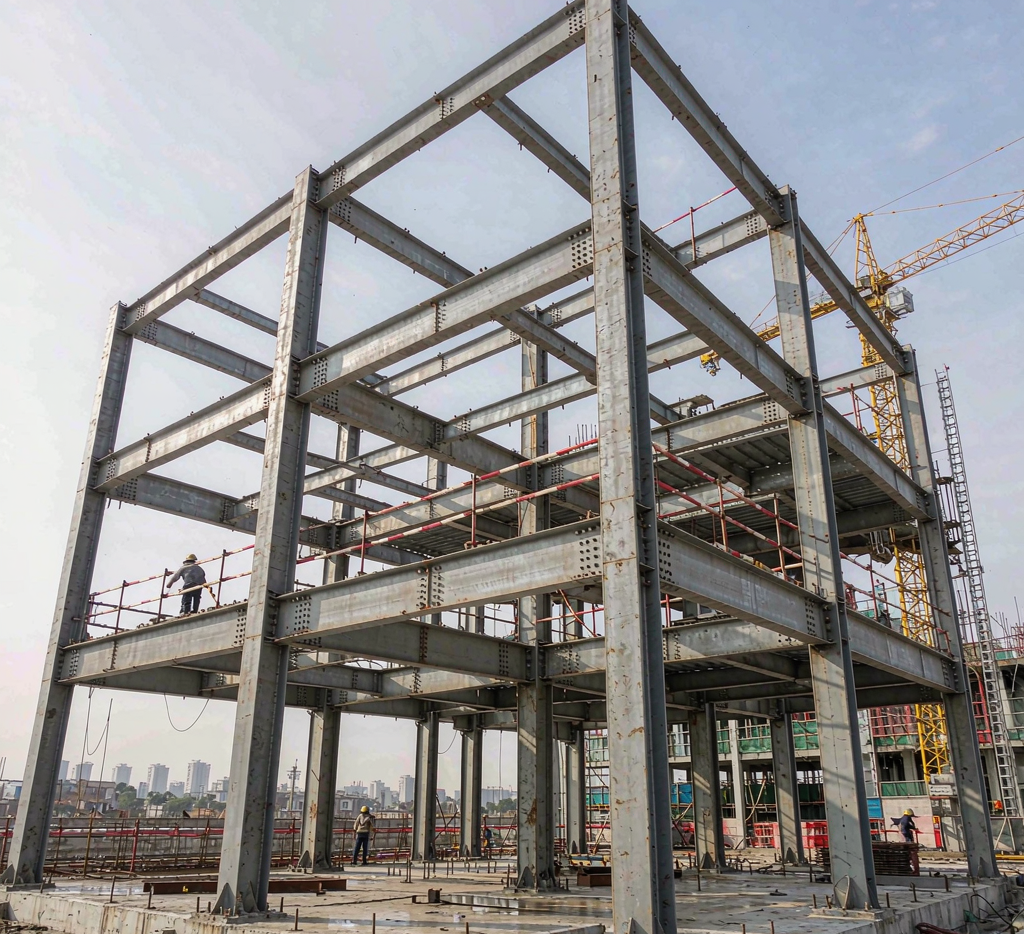
ASTM A36 is the workhorse structural carbon steel of North American construction, fabrication, and export. If you buy or specify steel for projects that follow ASTM/ASCE/AISC codes, you will quote A36 constantly. It defines a mild steel with a minimum yield of 250 MPa (36 ksi) and is the default grade for beams, plates, angles, channels, and bars used in buildings, bridges, and general structures.
Despite its ubiquity, A36 is frequently confused with A572, A283, or with yield-defined grades like S235JR. This guide explains what A36 actually covers, its chemistry and properties, how it compares to common alternatives, and how to order it without surprises.
1. What ASTM A36 Covers
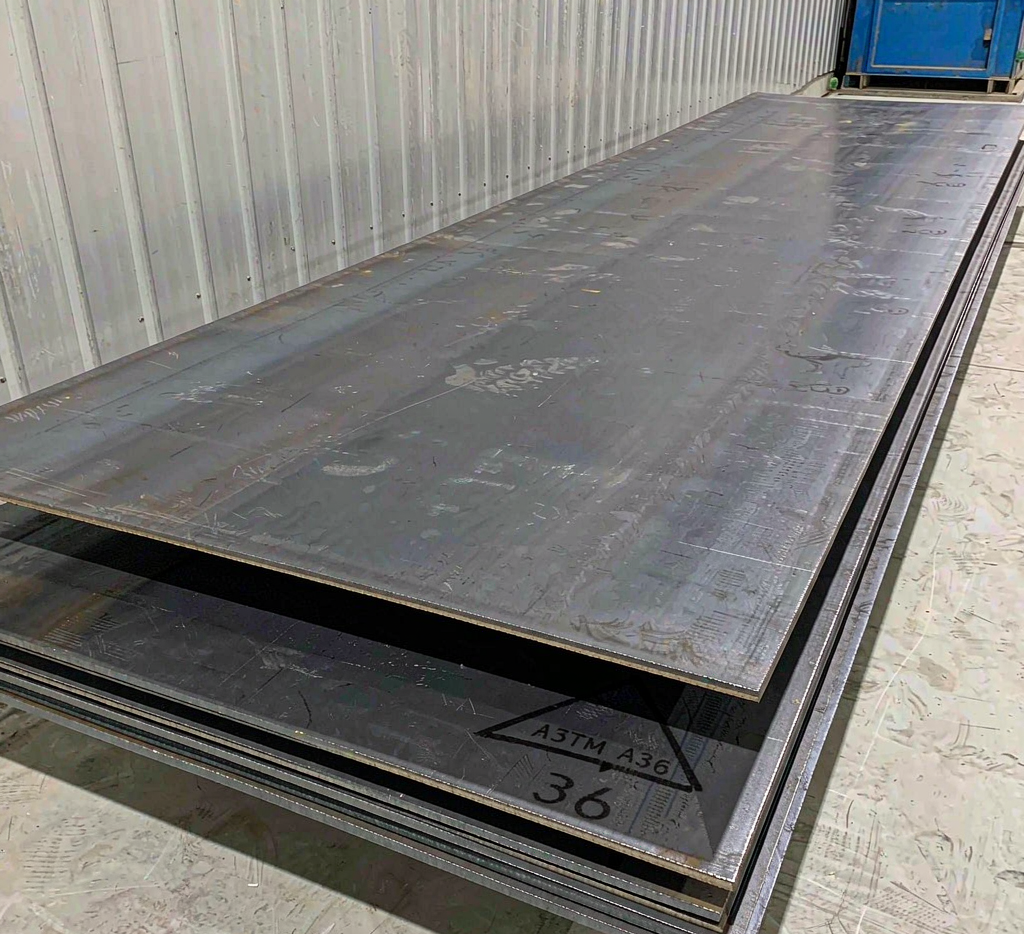
ASTM A36 / A36M applies to carbon structural steel in the form of shapes, plates, and bars. It is a performance specification: it sets a minimum yield and tensile strength and allows a range of chemical compositions rather than fixing exact limits. This makes A36 flexible for mills but means the actual chemistry can vary between heats.
A36 is supplied in several product standards that reference it: ASTM A992 for wide-flange shapes, A6/A6M for structural shapes, A36 plate per A36 itself, and A36 bar per A29. The grade name travels with the product.
2. Chemical Composition
Element
ASTM A36 (max unless noted)
Carbon (C)
0.26% (plate ≤ 0.25% typical)
Manganese (Mn)
0.80 – 1.20%
Phosphorus (P)
0.04%
Sulfur (S)
0.05%
Silicon (Si)
0.40% max (plate)
Copper (Cu)
0.20% min when specified as “Cu”
The most important point: A36 controls carbon loosely and manganese broadly, while fixing phosphorus and sulfur. Mills optimize chemistry for weldability and toughness within these bounds. Always read the actual heat analysis on the MTC.
3. Mechanical Properties
Property
ASTM A36
Yield strength
≥ 250 MPa (36 ksi)
Tensile strength
400 – 550 MPa (58 – 80 ksi)
Elongation (200 mm gauge)
≥ 20%
Elongation (50 mm gauge)
≥ 23%
A36’s yield of 36 ksi is the origin of its name. Its tensile range is broad because the grade intentionally permits compositional variation. For design, use the minimum yield; for procurement, confirm the delivered heat meets it.
4. A36 vs Common Alternatives
Grade
Standard
Min Yield
When to Use
A36
ASTM A36
250 MPa
General structural, default North America
A572 Gr 50
ASTM A572
345 MPa
Higher strength, lighter sections
A283 Gr C
ASTM A283
205 MPa
Lower strength, low-cost plate
S235JR
EN 10025
235 MPa
European projects
SS400 / Q235B
JIS / GB
235 – 245 MPa
Asian supply, equivalent
A36 is the right default when a project specifies it. Do not substitute A572 Gr 50 downward thinking it is “the same stronger steel” — it has different chemistry and may need different welding procedure. For European or Asian projects, S235JR or Q235B/SS400 are the natural equivalents.
5. Forms and Tolerances
Plate: 6 – 200 mm thick typical, per ASTM A6/A6M dimensional tolerances.
Shapes: W, S, C, L, M sections; most wide-flange is now A992 (A36-compatible).
Bar: round, square, flat, hex per ASTM A29, often dual-marked A36.
Surface: mill scale as-rolled; shot-blasted or primed on request.
6. Welding and Fabrication
A36 is highly weldable. With carbon around 0.25% and low alloying, it welds with E7018, E6013, ER70S-6, and standard procedures without preheat for normal sections. It machines and drills well and is easy to cut by saw, plasma, or laser. It is not intended for through-hardening.
7. Ordering A36 Correctly
State the product form (plate, shape, bar) and the referencing standard.
Specify thickness, width/section, length, and quantity.
Request the ASTM A6/A6M or A36 dimensional tolerance class.
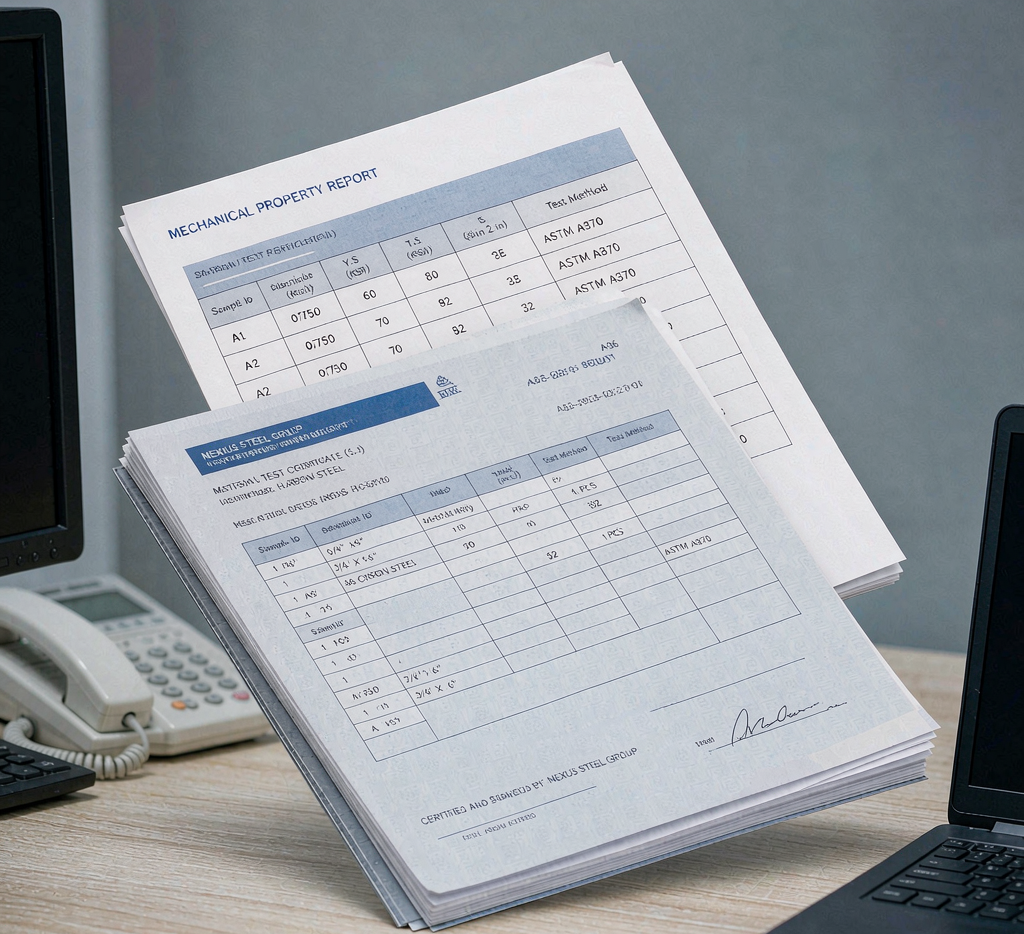
Ask for EN 10204 3.1 MTC or ASTM A6 test report.
State any Charpy impact or CVN requirement if the climate demands it.
Specify surface condition: as-rolled, blasted, or primed.
Frequently Asked Questions
1. Is A36 the same as mild steel?
A36 is a specific ASTM grade of mild (low-carbon) steel with a 36 ksi minimum yield. “Mild steel” is a general term; A36 is the standardized grade most often meant when people say mild steel in North America.
2. Can A36 be substituted with S235JR or Q235B?
For most structural uses, yes — S235JR (EN 10025) and Q235B/SS400 are recognized equivalents with similar yield. Confirm mechanical values on the MTC and obtain engineer acceptance for the substitution.
3. What is the difference between A36 and A572 Grade 50?
A572 Gr 50 has a higher minimum yield (345 MPa vs 250 MPa) and is used when higher strength lets you use lighter sections. It is not a drop-in replacement for A36 in welding without reviewing the procedure; chemistry and strength differ.
4. Does A36 come with impact testing?
Base A36 does not require Charpy impact testing. If your project needs low-temperature toughness, specify the requirement or use a grade that includes it, and confirm on the test report.
5. How do I verify delivered A36 plate?
Check the MTC for heat number, chemistry, and mechanicals; verify the heat number is stenciled on the plate; spot-check thickness and yield with a portable tester. A third-party inspection can witness before shipment.
Conclusion
ASTM A36 is the default general-purpose structural carbon steel for ASTM-based projects — flexible in chemistry, reliable in performance, and easy to weld and fabricate. Order it by form, dimensions, tolerance, and certification, and confirm the delivered heat meets the minima. For European or Asian supply, S235JR or Q235B/SS400 are the practical equivalents.
If you require further information about our metal sheet products or architectural projects, please don’t hesitate to leave your contact details and message here.
Our team of experts will respond within 24 hours to continue the discussion and provide you with any additional information you requires.