ASTM A500 vs EN 10219 Structural Tubing Standards
Structural hollow sections are essential for steel buildings, bridges, machinery frames and offshore platforms. The two standards most commonly cited in export contracts are ASTM A500 in North America and EN 10219 in Europe. Although both cover welded carbon steel tubes for structural use, their grade names, testing requirements and dimensional tolerances differ enough to create confusion during procurement.
This article compares ASTM A500 and EN 10219 side by side. You will learn grade equivalents, mechanical property limits, chemical requirements and the certification you need to ship hollow sections to the United States or the European Union.
1. Scope and Standard Overview
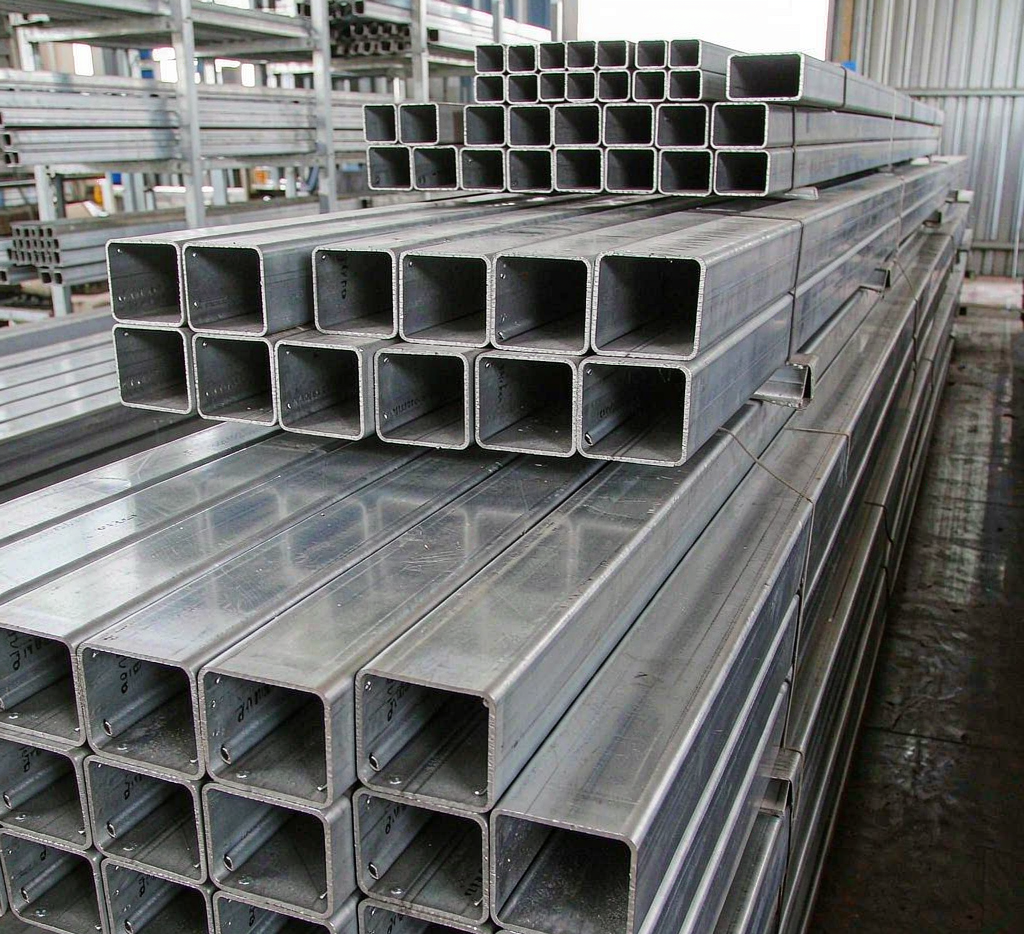
ASTM A500 / A500M covers cold-formed welded and seamless carbon steel structural tubing in rounds, squares, rectangles and special shapes. It is the dominant specification for hollow structural sections (HSS) in the United States, Canada and many Latin American markets. The standard has four grades: A, B, C and D.
EN 10219-1:2006 specifies cold-formed welded structural hollow sections of non-alloy and fine-grain steels. It is the European reference for circular, square and rectangular hollow sections (CHS, SHS, RHS) used in construction. Common grades include S235JRH, S275J0H, S275J2H, S355J0H and S355J2H.
2. Grade Comparison Table
| ASTM A500 Grade | Closest EN 10219 Grade | Yield Strength (MPa) | Use Case |
|---|---|---|---|
| Grade A | S235JRH | ≥ 230 (round), ≥ 270 (shaped) | Light structural, handrails |
| Grade B | S275J0H / S275J2H | ≥ 290 (round), ≥ 315 (shaped) | General building frames |
| Grade C | S355J0H / S355J2H | ≥ 315 (round), ≥ 345 (shaped) | Heavy structures, cranes |
| Grade D | S355J2H (low temp) | ≥ 250 (round) | Low-temperature service |
The mapping above is approximate. ASTM A500 and EN 10219 use different test methods, sampling rules and rounding conventions, so a direct equivalence certificate should come from the mill or a recognized testing laboratory.
3. Chemical Composition Requirements
Both standards limit carbon, phosphorus, sulfur and other elements to guarantee weldability and toughness. The table below shows the maximum carbon and sulfur values commonly specified.
| Standard / Grade | C max (%) | Mn max (%) | P max (%) | S max (%) |
|---|---|---|---|---|
| ASTM A500 Grade B | 0.26 | 1.35 | 0.035 | 0.035 |
| ASTM A500 Grade C | 0.23 | 1.35 | 0.035 | 0.035 |
| EN 10219 S235JRH | 0.17 | 1.40 | 0.040 | 0.040 |
| EN 10219 S355J2H | 0.22 | 1.60 | 0.035 | 0.035 |
4. Mechanical Properties
ASTM A500 specifies minimum yield strength, tensile strength and elongation. EN 10219 uses similar properties but adds impact testing at specified temperatures. The J2 suffix in EN grades means the material is impact-tested at -20 °C, while J0 is tested at 0 °C.
| Property | ASTM A500 Gr.B | ASTM A500 Gr.C | EN 10219 S355J2H |
|---|---|---|---|
| Yield strength | ≥ 290 MPa (round) | ≥ 315 MPa (round) | ≥ 355 MPa |
| Tensile strength | ≥ 400 MPa | ≥ 427 MPa | 470 – 630 MPa |
| Elongation | ≥ 23% in 50 mm | ≥ 21% in 50 mm | ≥ 20% |
| Impact test | Not required | Not required | ≥ 27 J @ -20 °C |
5. Manufacturing Process and Shapes
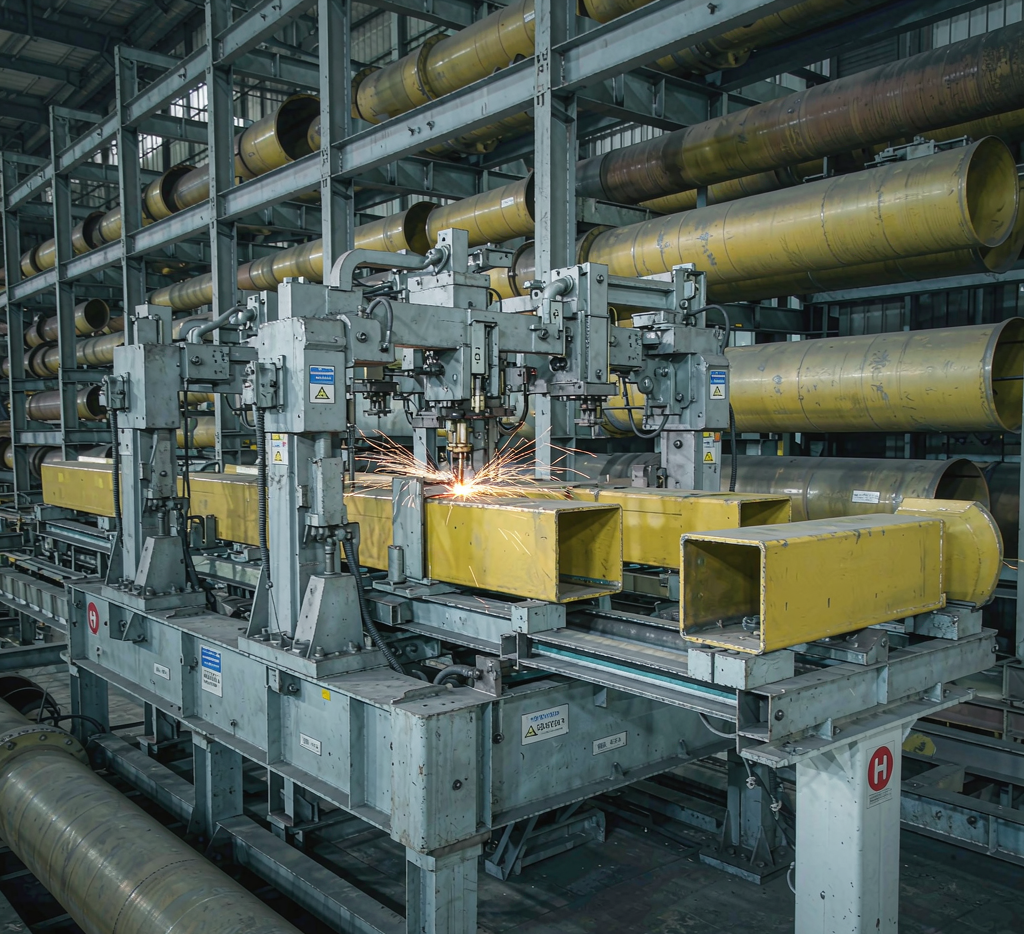
Both standards cover cold-formed products. ASTM A500 allows both welded and seamless round tubing, while EN 10219 is limited to welded hollow sections. Square and rectangular hollow sections (SHS and RHS) are common under both standards. Special shapes such as elliptical or tapered sections are more frequently ordered to ASTM A500.
Wall thickness ranges are similar, typically from 1.5 mm to 25 mm depending on section size. ASTM A500 has separate tables for round and shaped sections, while EN 10219 groups dimensions by outside dimension and wall thickness series.
6. Dimensional Tolerances
Dimensional control is critical for prefabricated structures. ASTM A500 references ASTM A53 tolerances for round sections and ASTM A6 for shaped sections. EN 10219 provides its own tolerance tables, which are generally similar but may differ in corner radius, straightness and mass tolerance.
- Outside dimension: typically ±1% or ±0.5 mm, whichever is greater.
- Wall thickness: typically ±10% for light sections and ±5% for heavier sections.
- Straightness: commonly 1:1000 or 2 mm per meter.
- Corner radius: specified in EN 10219; ASTM A500 uses minimum radius requirements.
7. Certification and Marking
For export to Europe, EN 10219 hollow sections must normally be accompanied by a mill test certificate to EN 10204 3.1 or 3.2 and CE marking if the product is placed on the EU construction market. The CE marking requires a factory production control (FPC) certificate and Declaration of Performance (DoP).
For the United States, ASTM A500 tubing should be supplied with a material test report showing heat number, chemical analysis and mechanical test results. If the project requires AISC certification or Buy America compliance, additional documentation such as melt and manufacture location may be needed.
8. Export Considerations
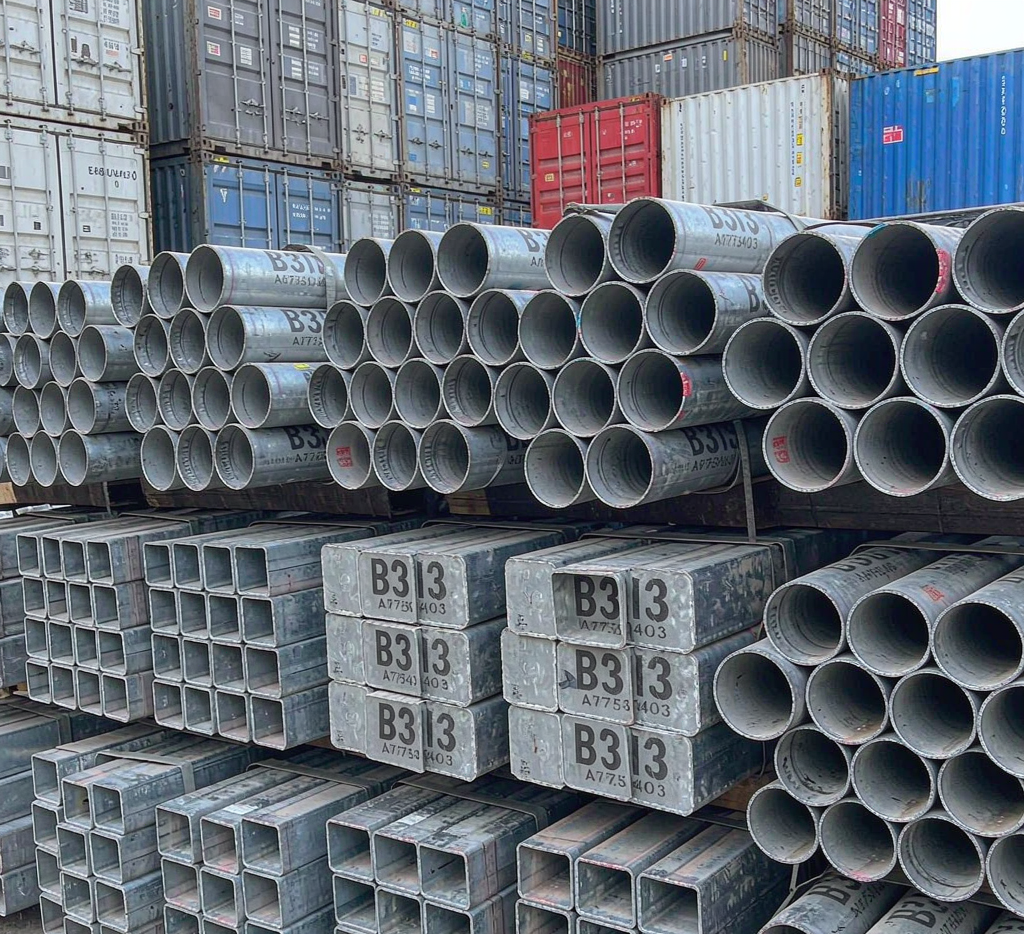
When quoting structural tubing for export, confirm the destination standard before production. Switching from ASTM A500 to EN 10219 after rolling can cause delays because the steel grade, impact test temperature and marking requirements are different. Also check whether the destination country applies anti-dumping duties or quotas on welded carbon steel tubes from China.
9. Frequently Asked Questions
9.1 Can ASTM A500 tubing be used in Europe?
ASTM A500 is not automatically accepted for CE-marked construction projects in Europe. Engineers may accept it for non-regulated applications, but CE-marked structural work normally requires EN 10219 hollow sections with a valid DoP.
9.2 What is the equivalent of A500 Grade B in EN grades?
The closest EN equivalent is S275J0H or S275J2H, depending on the required impact temperature. However, the standards differ in detail, so request an equivalence assessment from the mill before substituting.
9.3 Is impact testing required for ASTM A500?
Standard ASTM A500 does not require Charpy V-notch impact testing. If low-temperature toughness is needed, specify ASTM A500 Grade D or supplement the order with additional impact tests.
9.4 What documents should I request for export?
Request a mill test certificate (EN 10204 3.1 or 3.2), dimensional inspection report, certificate of origin and, for Europe, CE marking and Declaration of Performance.
10. Source Structural Tubing from Huaxia-Steel
Huaxia-Steel produces and exports square, rectangular and round hollow sections to ASTM A500, EN 10219, JIS G3466 and GB/T 6728. We supply full MTCs, third-party inspection and export packing suitable for container shipment. Request a quote today and receive a detailed material proposal matched to your destination standard.
View our structural tubing catalog or speak with our export team.