Carbon Steel Normalizing vs Annealing: Heat Treatment Guide
Heat treatment transforms carbon steel from a generic mill product into a component with predictable hardness, machinability and toughness. Two of the most common softening treatments are normalizing and annealing. Buyers and engineers often ask which one to specify when ordering carbon steel plate, bar or forgings. This article explains the difference between normalizing and annealing, the processes involved, the resulting microstructures, and when to choose each for your project.
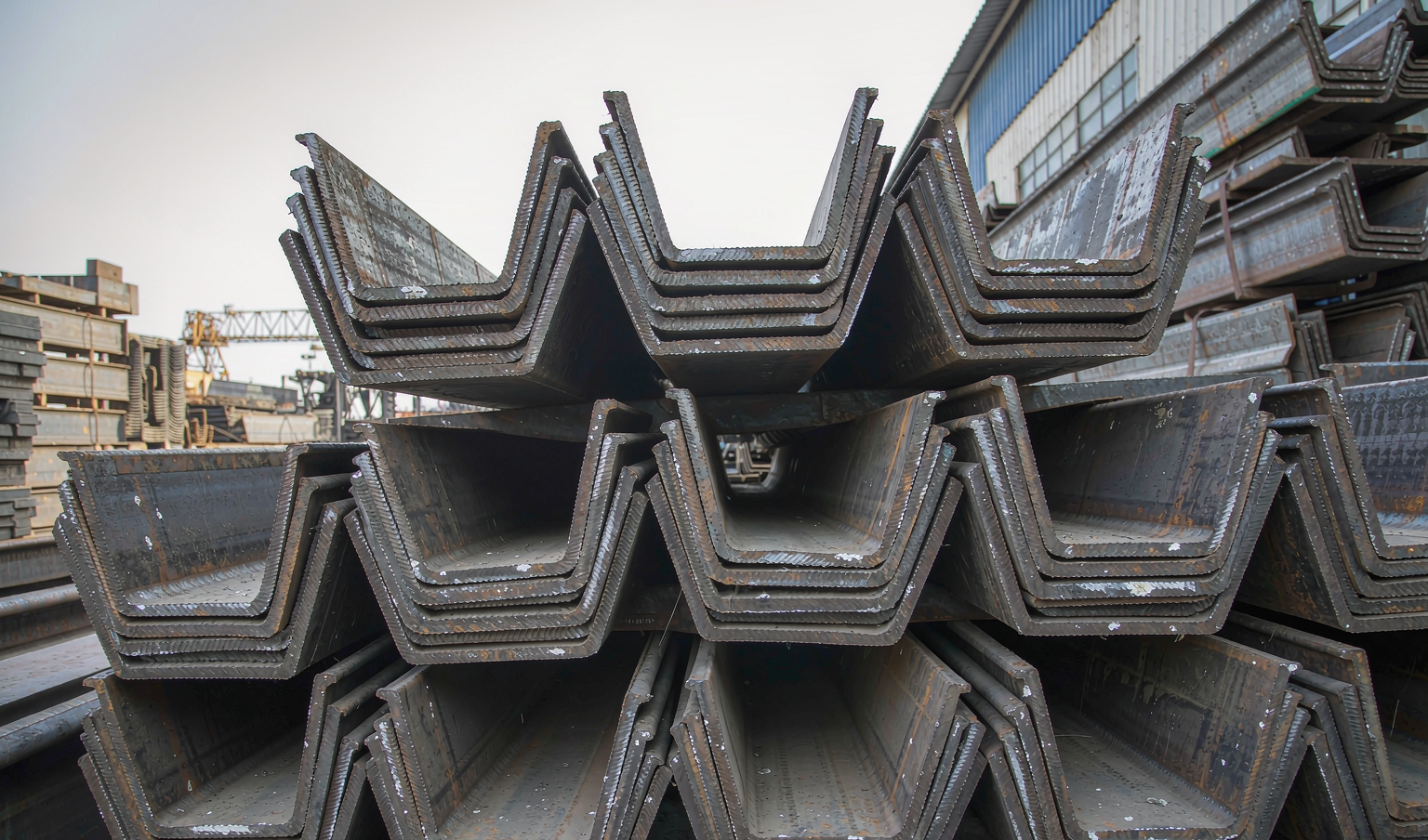
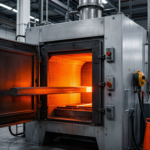
Carbon steel bars ready for normalizing or annealing
1. What Is Normalizing?
Normalizing is a heat treatment that heats steel above its upper critical temperature (Ac3), holds it long enough for full austenitization, and then cools it in still air. The air cool is faster than furnace cooling, so normalizing produces a finer pearlite structure than annealing and slightly higher hardness.
Typical normalizing temperature for hypoeutectoid carbon steel: 850-920 °C.
Hold time: approximately 1 hour per 25 mm of section thickness.
Cooling medium: still air; parts are spaced to allow uniform airflow.
Result: fine pearlite + ferrite, improved mechanical uniformity, reduced banding.
Normalizing is often specified for structural grades such as A36, S275JR and S355JR because it refines grain size and improves impact toughness.
2. What Is Annealing?
Annealing heats steel to a similar austenitizing temperature but then cools it very slowly, usually inside a controlled furnace. The slow cooling produces a softer, coarser microstructure with lower hardness and maximum ductility.
Full annealing temperature: 10-50 °C above Ac3 for hypoeutectoid steels.
Furnace cooling rate: typically 10-30 °C per hour through the critical range.
Common variants: full annealing, spheroidizing annealing, stress-relief annealing.
Annealing is the preferred treatment when steel must undergo severe forming, deep drawing or extensive machining. The soft condition reduces tool wear and improves surface finish.
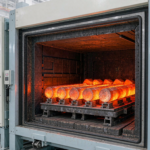
Industrial heat treatment furnace with temperature control
3. Normalizing vs Annealing: Side-by-Side
Factor
Normalizing
Annealing
Heating
Above Ac3 to fully austenitize
Above Ac3 or below for stress relief
Cooling
Air cool (faster)
Furnace cool (slower)
Microstructure
Fine pearlite + ferrite
Coarse pearlite / spheroidite
Hardness
Higher
Lower
Strength
Higher
Lower
Ductility
Good
Excellent
Machinability
Good
Excellent
Grain size
Refined
Coarser
Cost
Lower
Higher due to furnace time
4. When to Specify Normalizing
Specify normalizing when you need a uniform, fine-grained microstructure with better mechanical properties than the as-rolled condition, but without the cost and distortion of quenching and tempering.
Structural sections, pressure vessel plates and forged bars where impact toughness matters.
Parts that will be welded or machined and do not need extreme softness.
Applications where dimensional stability and uniform hardness across large sections are important.
Recovering from cold working or previous heat-treatment cycles before further processing.
5. When to Specify Annealing
Annealing is the right choice when maximum softness, minimum residual stress or improved formability is required.
Cold-heading wire, deep-drawn stampings and complex formed parts.
Bar stock that will be heavily machined; annealed steel reduces tool wear by 20-40%.
Large forgings or castings where residual stresses must be minimized before final machining.
Preparation for hardening treatments such as carburizing or nitriding.
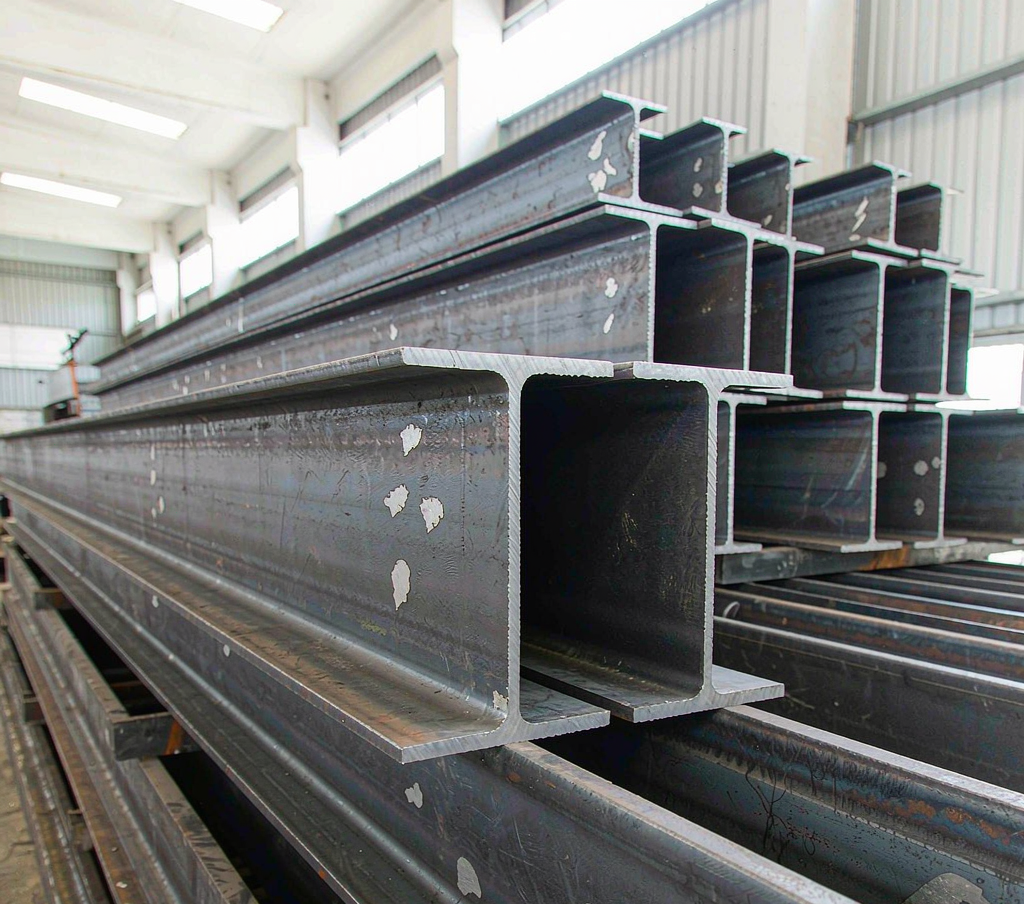
Annealed carbon steel parts with uniform surface finish
6. Standards and Documentation
When ordering normalized or annealed carbon steel, state the condition clearly on the purchase order and request the corresponding test certificate. Common standards include:
ASTM A29 / A29M – general requirements for carbon and alloy steel bars.
ASTM A6 / A20 – general requirements for plates and sheet products.
EN 10025-2 – structural steel delivery conditions including normalized rolling.
JIS G4051 – mechanical structural carbon steels with heat-treatment symbols.
Mill test certificate should show actual hardness and, where required, grain size.
7. FAQ
Does normalizing make steel harder than annealing?
Yes. The faster air cooling produces a finer pearlite structure, giving slightly higher hardness and strength than the slow-cooled annealed condition.
Can normalized steel be machined easily?
Yes, normalized steel machines well, although annealed steel is even easier to machine because of its lower hardness.
Is normalizing cheaper than annealing?
Usually yes. Normalizing does not tie up a furnace for slow cooling, so treatment cost and lead time are generally lower.
Which treatment reduces internal stress better?
Annealing reduces residual stresses more effectively because the slow cool allows atomic rearrangement and relief of locked-in stresses.
Can I specify normalizing-rolled instead of heat-treatment normalizing?
Yes. Normalizing rolling, controlled by standards like EN 10025, achieves a normalized microstructure during hot rolling and is often used for plates and sections.
8. Summary
Normalizing gives you a fine-grained, uniform structure with better strength and toughness at lower cost. Annealing gives maximum softness, minimum stress and the best machinability at a slightly higher processing cost. Match the heat treatment to the downstream forming, machining and service requirements of your parts.
Need a reliable carbon steel supplier for your next project? Huaxia-Steel supplies mill-certified carbon steel bars, plates, pipes, flanges and fittings with full inspection, export packing and fast delivery. Request a quote today and our team will reply within 24 hours.
If you require further information about our metal sheet products or architectural projects, please don’t hesitate to leave your contact details and message here.
Our team of experts will respond within 24 hours to continue the discussion and provide you with any additional information you requires.