Carbon Steel Phosphating: Process, Types and Benefits
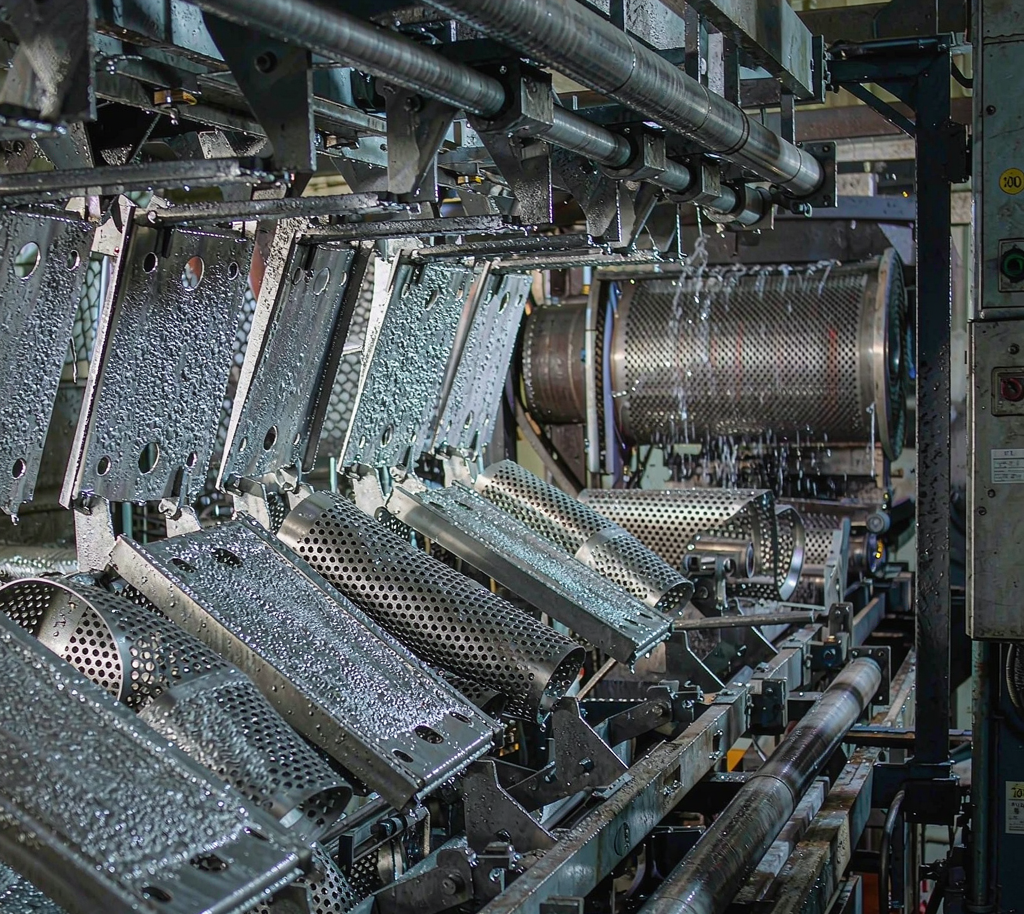
Phosphating is one of the most cost-effective surface treatments available for carbon steel, yet it is often misunderstood by buyers who confuse it with plating or painting. In simple terms, phosphating converts the top few microns of a steel surface into an insoluble phosphate layer that improves paint adhesion, adds short-term corrosion resistance and stabilises the surface before further coating.
This guide explains what phosphating does, how the process runs stage by stage, the differences between zinc, iron and manganese phosphate, how the coating performs in salt spray, and the quality checks a steel buyer should request before accepting a phosphated lot.
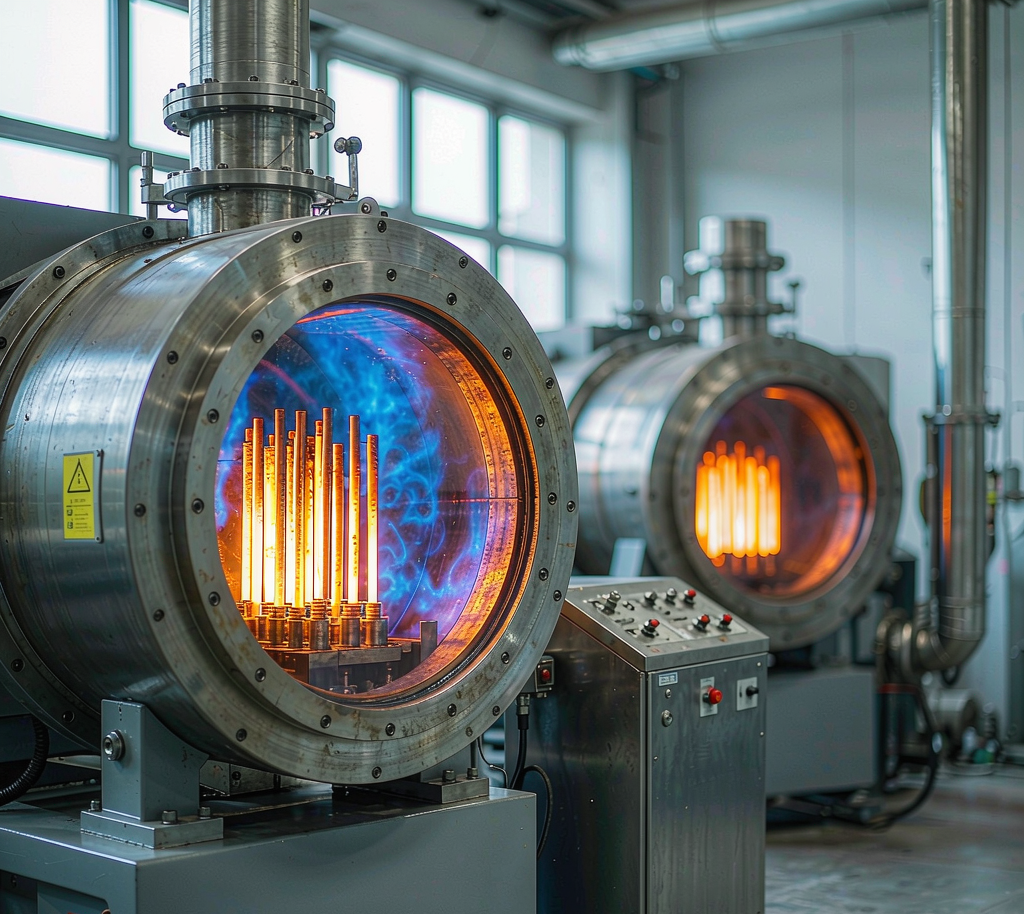
What Is Phosphating and Why It Matters
Phosphating, sometimes called parkerizing or phosphate conversion coating, is a chemical treatment in which steel is immersed in or sprayed with a dilute phosphoric acid solution containing zinc, iron or manganese. The acid attacks the surface slightly and the dissolved metal re-precipitates as a crystalline phosphate layer that is chemically bonded to the base metal.
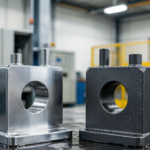
The result is a matte, porous, slightly darker surface that grips paint and oil far better than bare steel. That is why phosphating is standard practice before powder coating, e-coating and painting on automotive, appliance and structural parts, and why it is used on fasteners and machined components that need temporary rust protection during storage and shipping.
The 6-Stage Phosphating Process
- Degreasing. Alkaline or solvent cleaning removes oil, grease and drawing lubricant; a poorly degreased part will produce a patchy, non-adherent coating.
- Rinsing. A clean water rinse removes residual cleaner so it does not neutralise the phosphate bath.
- Pickling or descaling. Acid pickling removes mill scale and rust so the phosphate can form uniformly on bare steel.
- Activation. A titanium-based conditioner creates nucleation sites that refine the phosphate crystal size and improve coverage.
- Phosphating. The part is immersed or sprayed in the phosphate bath at controlled temperature and time to build the target coating weight.
- Passivation and drying. A final rinse, often with a chromate-free passivator, seals the coating before controlled drying.
Each stage has a narrow window. Bath temperature, free acid, total acid, iron content and immersion time all influence coating weight and crystal structure, which is why a reputable phosphating line logs these parameters for every batch rather than relying on operator judgement.
Zinc vs Iron vs Manganese Phosphating
| Type | Coating weight (g/m2) | Corrosion resistance | Typical use |
|---|---|---|---|
| Zinc phosphate | 1 – 5 | Good, excellent paint base | Automotive, appliance, general paint prep |
| Iron phosphate | 0.3 – 1 | Moderate, thin | Light duty, mixed-metal lines, low cost |
| Manganese phosphate | 5 – 40 | Good, oil-retentive | Gears, cams, break-in surfaces, wear parts |
Zinc phosphating is the workhorse for parts that will be painted, because its crystalline layer gives excellent paint adhesion and a useful secondary barrier if the paint is scratched. Iron phosphating is cheaper and faster but thinner, suited to light-duty or mixed-metal production lines. Manganese phosphating produces a thicker, oil-retentive coating used on sliding and wearing components such as gears and camshafts.
Phosphating vs Black Oxide vs Galvanizing
| Treatment | Thickness | Corrosion protection | Paint base | Cost |
|---|---|---|---|---|
| Phosphating | 1 – 40 g/m2 | Short to medium term (with oil) | Excellent | Low |
| Black oxide | 0.5 – 2 um | Short term (with oil) | Fair | Low |
| Hot-dip galvanizing | 45 – 85 um | Long term (20+ years) | Poor without pretreatment | Medium |
Phosphating is not a substitute for galvanizing where long-term outdoor corrosion resistance is required. It is a pretreatment and a short-term protector. Black oxide offers a similar short-term role with a different appearance and less paint adhesion. Choosing between them depends on whether the part will be painted, oiled or left exposed.
Coating Weight, Thickness and Salt Spray Performance
Coating weight is the single most useful specification for phosphated steel. It is expressed in grams per square metre and typically ranges from about 1 g/m2 for a thin iron phosphate to 40 g/m2 for a heavy manganese coating. Heavier coatings hold more oil and resist corrosion longer, but they are also more brittle and less suitable under tight-tolerance fits.
In neutral salt spray testing, a phosphated part with a light oil film will usually show first red rust within 24 to 72 hours, depending on coating weight and oil. That is far short of galvanizing, but it is enough to protect parts through months of indoor storage and a sea voyage if they are properly oiled and packed. Buyers should ask for the salt spray result on the actual coating weight specified, not a generic claim.
Common Defects and How to Prevent Them
- Patchy or missing coating – usually poor degreasing or residual scale; fix cleaning and pickling.
- Coarse, heavy crystals – bath too hot or under-activated; adjust temperature and activation.
- White powdery residue – incomplete rinsing or over-passivation; improve rinse water quality.
- Poor paint adhesion – coating too heavy or contaminated; reduce coating weight and control bath chemistry.
- Hydrogen embrittlement risk – acid pickling on high-strength parts; use shorter pickling and bake if required.
Hydrogen embrittlement deserves special attention on high-strength fasteners and springs. Acid pickling and phosphating can introduce hydrogen, so parts above roughly 1000 MPa tensile strength should be baked within a specified window after coating, and the requirement should be written into the purchase order.
Phosphating for Fasteners, Tubes and Machined Parts
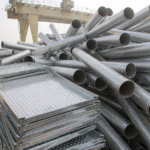
Fasteners are the largest single application. Bolts, nuts and screws are commonly zinc phosphated and oiled so they can be painted or used with a dry-film lubricant, and phosphate also improves thread friction consistency. Tubes and hollow sections are phosphated before painting or powder coating to prevent rust bleeding through the coating. Machined parts such as gears, cams and hydraulic components use manganese phosphate to retain oil and improve running-in.
For export, phosphated parts are often packed in VCI film or oiled paper to extend protection through a long sea voyage. Buyers should confirm both the coating weight and the preservation method, because a well-phosphated part packed poorly can still rust in transit.
Quality Checks Buyers Should Request
- Coating weight per unit area, tested to a recognised method on a coupon from the same batch.
- Coating appearance: uniform colour, no bare patches, no heavy powder or drip marks.
- Adhesion check if the part will be painted, typically a cross-hatch or bend test.
- Salt spray hours on the specified coating weight, not a catalogue figure.
- Hydrogen embrittlement bake record for high-strength fasteners.
A supplier who can provide these records is signalling that the phosphating line is under control. A supplier who can only describe the colour is not. For critical lots, a third-party inspection that witnesses coating weight testing is inexpensive insurance.
Frequently Asked Questions
Does phosphating prevent rust permanently?
No. Phosphating is a short to medium-term protector, especially when oiled. It is excellent as a paint base and for indoor storage, but long-term outdoor exposure requires galvanizing or a full paint system over the phosphate.
Can phosphated steel be welded?
The phosphate layer should generally be removed from the weld zone before welding, because it can cause porosity and fume. Most fabricators grind or strip the coating locally and re-treat after welding.
What coating weight should I specify?
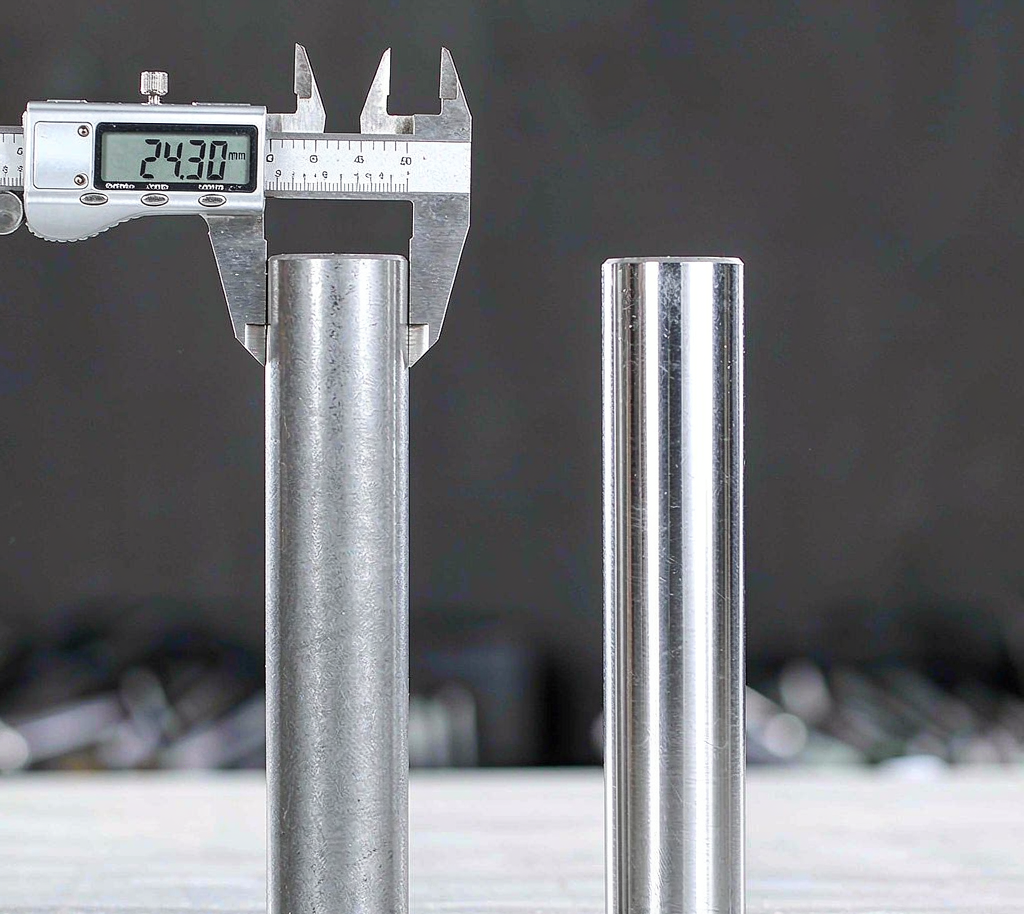
For paint preparation, 2 to 5 g/m2 zinc phosphate is typical. For oiled corrosion protection during shipping, 5 to 15 g/m2 is common. For wear parts needing oil retention, 10 to 40 g/m2 manganese phosphate is used.
Is phosphating the same as passivation?
No. Passivation usually refers to removing free iron from stainless steel to restore its oxide layer. Phosphating deliberately builds a phosphate conversion layer on carbon steel. The two terms are sometimes confused but describe different processes.
Bath Chemistry Control: The Numbers That Matter
A phosphating line lives or dies by its bath chemistry. The parameters that matter most are free acid, total acid, acid ratio, iron content, temperature and immersion time. Free acid drives the etch rate; total acid drives coating formation; their ratio controls crystal size and coating weight. If the ratio drifts, the coating becomes coarse, powdery or patchy even though the bath looks normal.
| Parameter | Typical zinc phosphate range | Effect if out of range |
|---|---|---|
| Free acid (points) | 0.5 – 1.5 | High = coarse coating, low = slow coating |
| Total acid (points) | 15 – 30 | High = heavy coating, low = thin or no coating |
| Acid ratio | 8 – 15 | Low = coarse crystals, high = fine but slow |
| Iron (g/L) | 0.5 – 3 | High = sludge and poor adhesion |
| Temperature (C) | 45 – 65 | Low = slow, high = coarse and sludge |
| Time (min) | 3 – 10 | Short = thin, long = heavy and brittle |
A disciplined line tests free and total acid every shift, titrates iron daily, and adjusts with phosphoric acid or zinc oxide as needed. It also desludges on a schedule, because sludge accumulates on the bottom and can be dragged onto parts, causing rough coatings and paint defects. A line that skips these checks will produce good parts on Monday and rejects by Friday.
Immersion vs Spray Phosphating
Immersion phosphating soaks the parts in a bath, which gives uniform coverage on complex shapes, internal surfaces and bundled parts. It is slower and needs more tank volume, but it is the standard for fasteners, castings and parts with holes or recesses. Spray phosphating directs the solution at the surface, which is faster and suits flat or simple parts on a conveyor line.
The choice affects the coating as well as the throughput. Spray lines tend to produce thinner, finer coatings that are ideal under paint, while immersion lines can build heavier coatings for oil retention. Many plants combine the two, using spray for large flat panels and immersion for small parts in baskets. Buyers should ask which method is used if coating uniformity on internal surfaces matters.
Environmental and Regulatory Considerations
Traditional phosphating used chromate passivation, which is being phased out in many markets because of hexavalent chromium restrictions. Modern lines use chrome-free passivators based on zirconium or other chemistries, which are safer but can be less forgiving on coating quality. Buyers shipping into the EU or North America should confirm that the process is chrome-free and that any restricted substances are declared.
Waste treatment is the other regulatory issue. Phosphating generates sludge and rinse water that contain phosphates and heavy metals, and these must be treated before discharge. A supplier with proper treatment is more expensive to run but far less likely to be shut down by an environmental inspection, which protects your delivery schedule as much as the environment.
Phosphating vs Zinc Plating for Fasteners
Zinc electroplating gives a brighter finish and a sacrificial zinc layer that can outperform phosphate in salt spray, but it carries hydrogen embrittlement risk on high-strength fasteners and is under pressure from environmental rules on plating waste. Phosphating with oil is cheaper, safer on high-strength parts and provides an excellent paint base, but it offers less bare corrosion resistance.
For fasteners that will be painted or used indoors, phosphating is usually the better value. For fasteners exposed outdoors without paint, zinc plating or a zinc flake coating is more appropriate. Some specifications combine the two, using phosphate as a base for a zinc flake topcoat, which gives both paint adhesion and corrosion resistance.
Cost Drivers and Typical Pricing
The cost of phosphating depends mainly on part geometry, coating weight, line type and volume. Simple parts in high volume can be treated for a low per-kilogram cost, while complex parts that must be racked individually cost more because of handling. Heavy manganese coatings cost more than thin iron coatings because of longer cycle times and more chemical consumption.
In a quotation, ask for the coating weight and the process type, not just a price. A cheap quote for a thin iron phosphate is not comparable with a heavier zinc phosphate, and a quote that does not state coating weight leaves you unable to verify what you received. The cheapest per-kilo treatment is often the one that fails first in service.
Case Example: Export Fastener Program
A fastener exporter shipping zinc-phosphated bolts to Europe found rust appearing on parts after six weeks at sea. The coating weight was within the supplier’s own range, but the parts had been packed in plain cartons without VCI and the oil film had dried out. The fix was not a heavier coating but a combination of a 6 to 10 g/m2 zinc phosphate, a corrosion-inhibiting oil and VCI-lined packaging.
The lesson is that phosphating is one part of a protection system. Coating weight, oil, packaging and transit time all interact, and a buyer who specifies only the coating is leaving the rest to chance. A short technical discussion with the supplier about the full protection chain is worth more than a few dollars per ton.
Rinse Water Quality and Spotting
Rinse water quality is often overlooked, yet it causes more cosmetic rejects than the phosphate bath itself. Hard water leaves mineral spots that show through paint, and contaminated rinse water carries dissolved salts that cause white bloom and poor adhesion. A well-run line uses deionised or softened water for the final rinse and changes it on a conductivity trigger rather than a calendar.
Spotting after drying is usually a sign of inadequate rinsing or too slow a dry. Air knives and controlled oven drying prevent water from pooling in recesses, while a final passivation rinse helps seal the coating. For parts that will be painted, a spot-free surface is essential, because a spot becomes a paint defect that cannot be fixed economically.
Measuring Coating Weight in Practice
Coating weight is measured by stripping the coating from a known area and weighing the loss, or by non-destructive methods such as magnetic or X-ray gauges. The strip-and-weigh method is the referee test and should be used on a coupon from each batch when the specification is tight. Handheld gauges are useful for trend monitoring but must be calibrated against the referee method.
Buyers receiving phosphated parts should ask for the coating weight result and the method used. A certificate that states only a range, with no test result, is not verification. For high-volume programs, periodic third-party testing of coating weight and salt spray keeps the line honest between audits.
Storage and Shelf Life of Phosphated Parts
A phosphated coating is porous and will absorb moisture from humid air, so storage conditions matter. Parts stored in a dry, ventilated area with an oil film can remain rust-free for months, while the same parts stored in a damp corner can show rust within weeks. VCI packaging extends shelf life significantly and is standard practice for export shipments.
Shelf life also depends on handling. Bare hands leave acidic sweat that attacks the coating, so gloves should be worn when packing phosphated parts. Stacking heavy parts without interleaving can abrade the coating and expose bare steel, which then rusts first. Simple handling rules protect the investment the phosphating line just made.
Get a Quote from Huaxia-Steel
Factory-direct carbon steel with MTR, third-party inspection and fast export shipping. Send your grade, size, quantity and destination — we return a firm quote within 24 hours.