ASTM A106 vs A53 Carbon Steel Pipe: 7 Differences Every Buyer Must Know
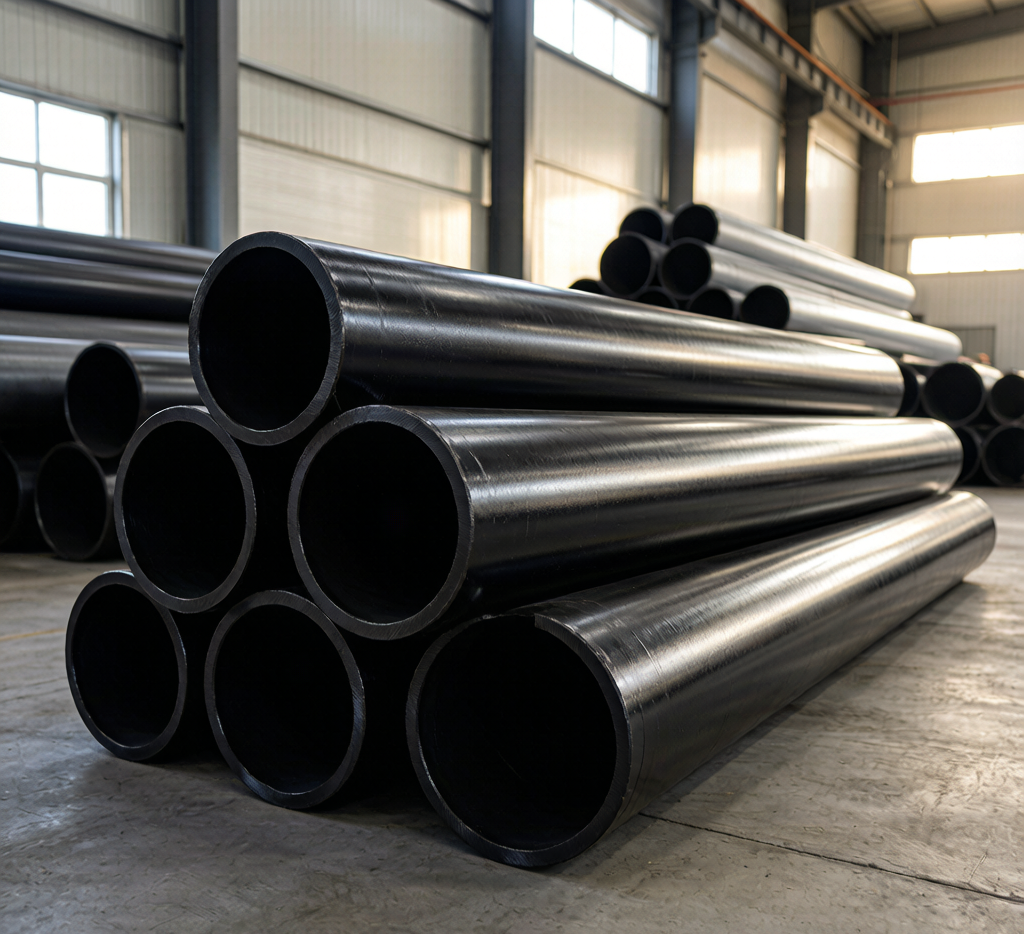
When sourcing carbon steel pipe for pressure service, structural support, or fluid transport, ASTM A106 and ASTM A53 are the two most referenced specifications. They look similar on the surface, but their chemistry, manufacturing method, and pressure ratings differ enough to affect safety, cost, and lead time. If you import carbon steel pipe from China, knowing when to specify A106 versus A53 will help you avoid over-engineering, rejections at the port, or field failures.
1. Chemical Composition and Carbon Equivalence
ASTM A106 is a seamless carbon steel pipe specification for high-temperature service. It requires a more tightly controlled chemistry with lower sulfur and phosphorus, and it is often supplied in Grades B and C. ASTM A53 covers both seamless and welded black and hot-dipped galvanized pipe. It allows broader chemistry ranges and includes Grades A and B. The carbon equivalent of A106 Grade B is generally lower than A53 Grade B, giving A106 better weldability in thick-wall applications.
2. Manufacturing Process: Seamless vs Welded
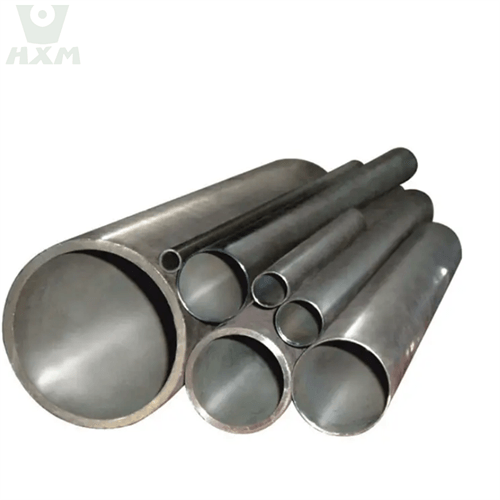
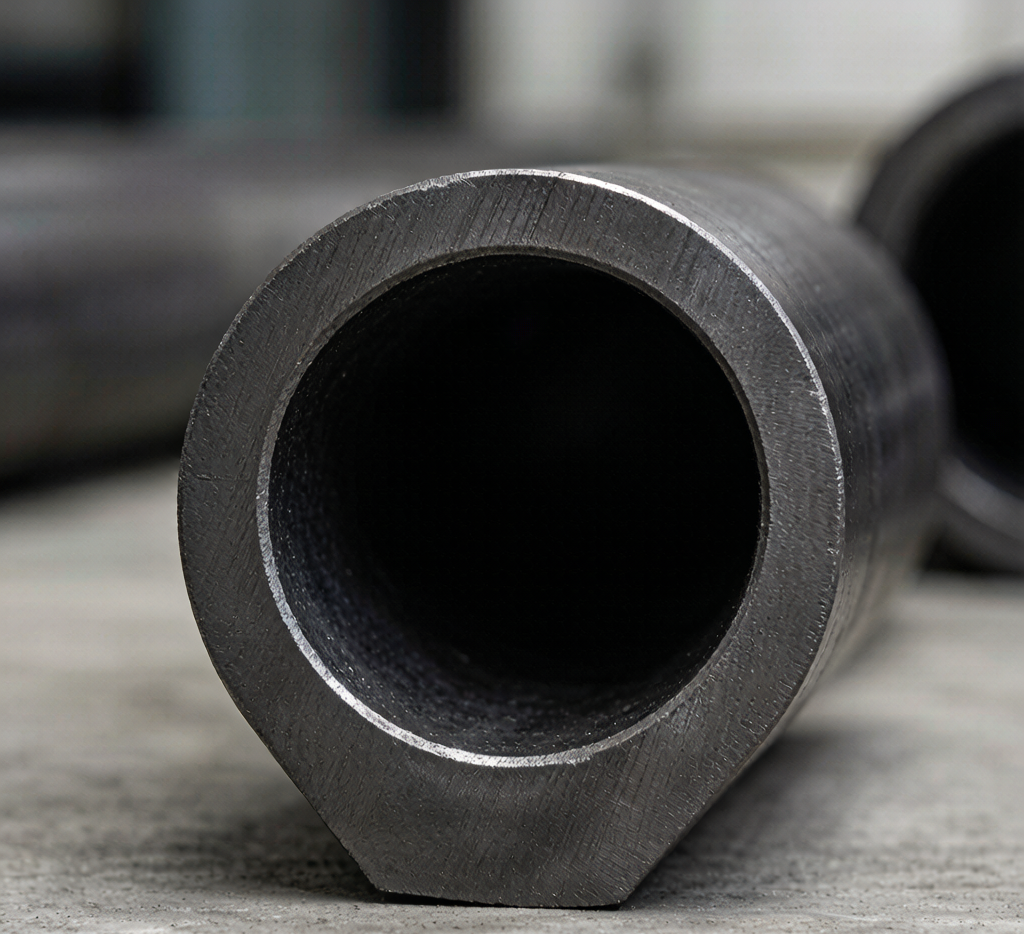
ASTM A106 is seamless only, produced by hot finishing or cold finishing. A53 allows both seamless and electric-resistance-welded (ERW) production. For high-pressure, high-temperature applications, seamless A106 is preferred because there is no weld seam to act as a stress riser. For lower-pressure water, gas, and structural lines, A53 ERW is acceptable and usually cheaper.
3. Pressure and Temperature Ratings
A106 is designed for elevated temperature and pressure. It is the standard choice for boiler, superheater, and process piping in refineries and power plants. A53 is intended for mechanical and pressure applications where temperatures are lower. If your specification calls for continuous service above 350 °C, A106 is the safer default.
4. Dimensional and Wall Tolerance
A106 has tighter wall thickness and outside diameter tolerances, especially in cold-drawn conditions. A53 tolerances are looser, which is acceptable for many structural and low-pressure uses but can cause problems when you need close-fit threading or bending. Always cross-check the supplier’s mill certificate against ASTM A530/A530M general tolerances.
5. Testing and Certification Requirements
A106 requires hydrostatic testing, non-destructive electric testing (NDE), or ultrasonic testing for all pipe. A53 requires only hydrostatic testing unless supplementary NDE is specified. If your project requires EN 10204 3.2 certification or third-party inspection, A106 mills are typically more accustomed to providing full documentation packages.
6. Typical Applications
| Application | Preferred Spec | Reason |
|---|---|---|
| Boiler and superheater tubes | ASTM A106 | High temperature, seamless |
| Refinery process piping | ASTM A106 | Pressure and corrosion margin |
| Water and gas transmission | ASTM A53 | Cost-effective, welded OK |
| Structural supports and handrails | ASTM A53 | No pressure requirement |
| Fire protection sprinkler systems | ASTM A53 | Galvanized option available |
7. Price and Availability
A53 ERW pipe is usually 10–20% cheaper than A106 seamless pipe for the same nominal size. Lead time is also shorter because ERW production is faster and more widely available. However, if your design code calls for seamless high-temperature service, the cost savings of A53 are not worth the compliance risk. For large projects, Huaxia-Steel can source both from approved mills and bundle shipments to reduce freight cost.
Quick Comparison Table
| Property | ASTM A106 | ASTM A53 |
|---|---|---|
| Product form | Seamless only | Seamless or ERW |
| Common grades | B, C | A, B |
| Max service temp | High (boiler/service) | Moderate |
| Tolerances | Tighter | Standard |
| NDE requirement | Required | Optional |
| Typical price | Higher | Lower |
When to Choose ASTM A106
Choose A106 when the pipe will carry high-temperature fluids, steam, or hydrocarbons under pressure; when the design code specifies seamless pipe; or when you need tighter dimensional control and full NDE documentation. Common industries include oil and gas, power generation, and chemical processing.
When to Choose ASTM A53
Choose A53 for water, air, gas, and low-pressure structural applications. It is also the right choice when you need hot-dipped galvanized pipe for corrosion protection, or when budget and lead time are more important than high-temperature performance.
Sourcing Checklist for Carbon Steel Pipe Buyers
- Confirm the design code and service temperature before selecting A106 or A53.
- Request mill test certificates (MTC) with heat number, chemical composition, and mechanical test results.
- Specify wall thickness tolerance and length tolerance in the purchase order.
- Ask whether the pipe is seamless or welded, especially when ordering A53.
- For export, verify HS code classification and any anti-dumping or safeguard duties.
FAQ
Can ASTM A53 be used instead of A106?
Only if the design specification and service conditions allow it. A53 is not a direct substitute for A106 in high-temperature, high-pressure service.
Is A106 always more expensive than A53?
Generally yes, because A106 is seamless and has tighter quality requirements. However, for small sizes the price gap can be small.
What is the difference between A53 Grade A and Grade B?
Grade B has higher tensile and yield strength than Grade A. Grade B is the more common choice for pressure and structural applications.
Does A106 come in galvanized finish?
No. ASTM A106 is typically supplied as black, varnished, or bare. For galvanized high-temperature pipe, discuss alternative coatings or specifications with your supplier.
What documents should I request with a carbon steel pipe order?
At minimum, request the MTC, dimensional inspection report, hydrostatic test certificate, and packing list. For critical projects, add third-party inspection and EN 10204 3.2 certification.
Get a Competitive Quote on Carbon Steel Pipe
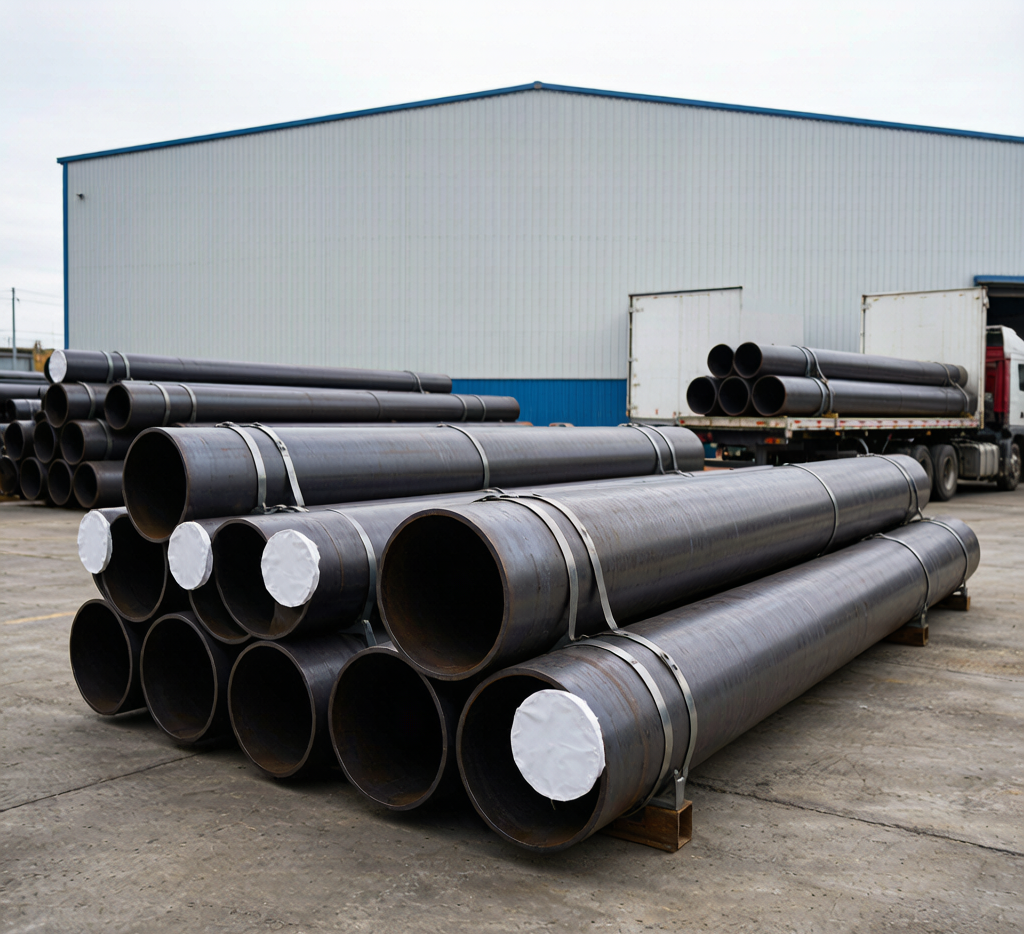
Huaxia-Steel supplies ASTM A106, ASTM A53, API 5L, and equivalent Chinese GB/T seamless and welded carbon steel pipe. We can cut to length, provide mill certificates, and arrange third-party inspection before shipment. Send us your specification and quantity for a fast, factory-direct quotation.