Carbon Steel Plasma Cutting vs Laser Cutting: Complete Guide for Buyers
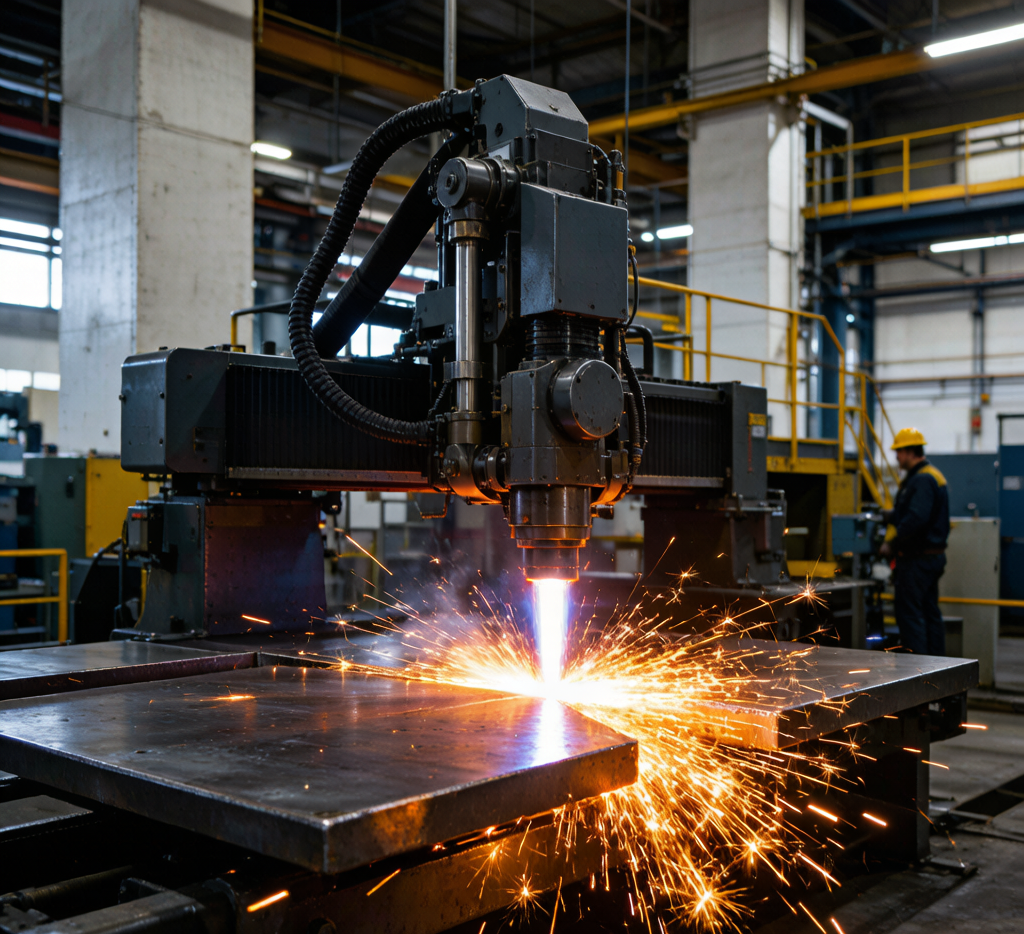
Cutting is often the first operation in a carbon steel fabrication project. Two technologies dominate the market: plasma cutting and laser cutting. Each has a clear place in the workshop, and choosing the wrong one can cost you in edge quality, tolerance, or consumable spend. If you are sourcing cut-to-size carbon steel plate or shaped blanks from China, this guide will help you specify the right process for your job.
How Plasma Cutting Works
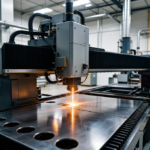
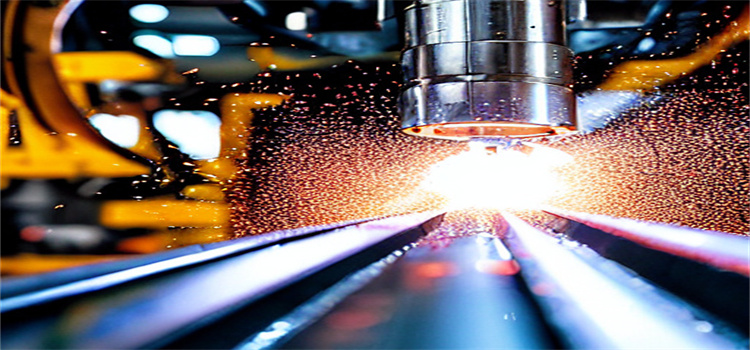
Plasma cutting uses an electrically conductive gas, typically compressed air or oxygen, to create an ionized arc. The arc melts the carbon steel and the high-velocity gas stream blows the molten metal away. Plasma cutters can handle thick plate and work well on rusted, painted, or scaled surfaces. They are the go-to choice for structural fabricators and steel service centers.
How Laser Cutting Works
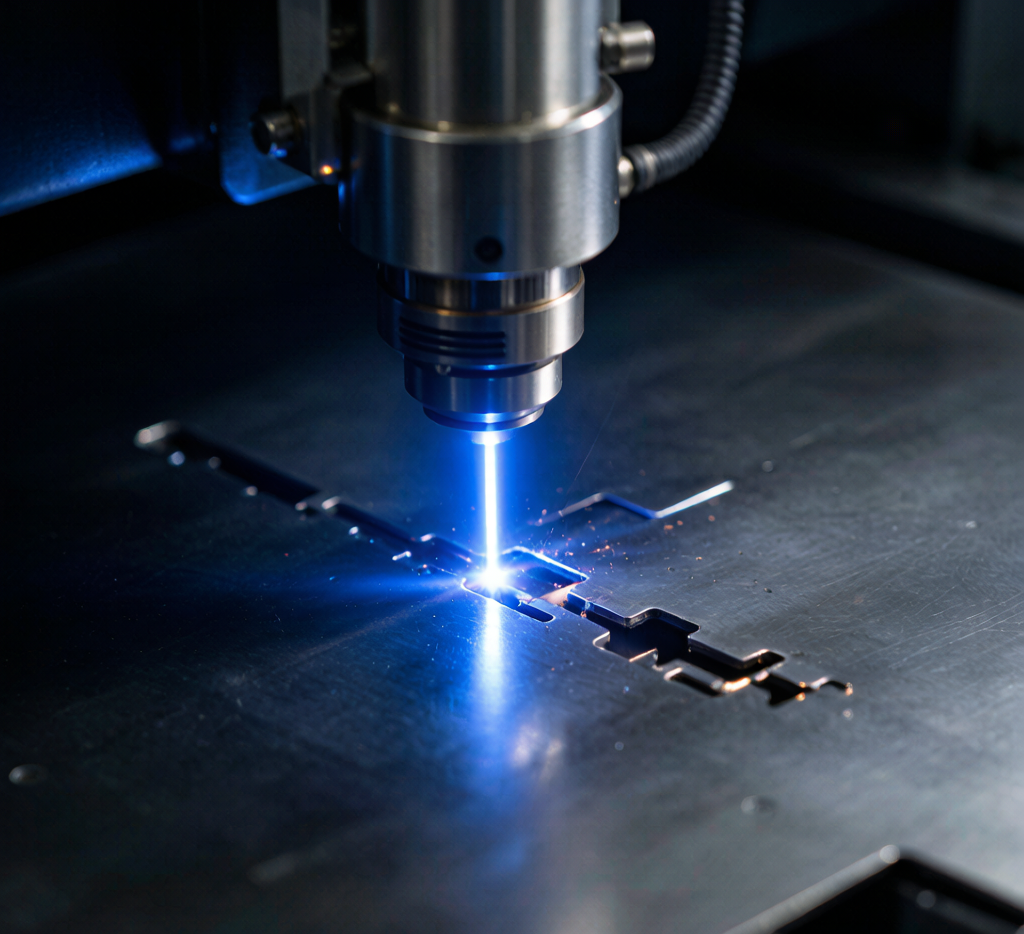
Laser cutting focuses a high-power beam of coherent light onto the sheet surface. The beam heats the metal to melting or vaporization, and an assist gas such as oxygen or nitrogen removes the molten material. Fiber lasers are now the standard for carbon steel because they offer high wall-plug efficiency, low maintenance, and excellent cut quality on thin to medium plate.
6 Key Differences Between Plasma and Laser Cutting
1. Cutting Speed
Laser cutting is faster on thin material, especially below 6 mm. On plate thicker than 20 mm, high-definition plasma can match or exceed laser speed because the laser needs multiple passes and lower feed rates. For high-volume nesting of thin parts, laser is the clear winner.
2. Accuracy and Edge Quality
Laser cutting offers tighter tolerances, typically ±0.05 mm to ±0.2 mm, and a narrow kerf. Plasma cut tolerances are usually ±0.5 mm to ±1.5 mm depending on thickness. If your parts need bolt holes, close-tolerance fit-ups, or minimal post-processing, laser is preferred.
3. Thickness Range
Plasma cutting is practical from 3 mm up to 50 mm or more in carbon steel. Fiber lasers dominate from 0.5 mm to about 25 mm, with high-power machines reaching 30 mm. For very thick plate, plasma or oxy-fuel remains more economical.
4. Setup and Consumable Cost
Laser machines have higher capital cost but lower consumable cost per hour. Plasma electrodes and nozzles wear faster and need frequent replacement, especially when cutting dry or with poor air quality. However, the lower hourly machine rate of plasma can make it cheaper for one-off thick parts.
5. Material Surface Condition
Plasma tolerates rust, mill scale, and paint better than laser. Laser cutting requires cleaner material because surface contamination can scatter the beam, reduce cut quality, and damage the focusing lens. If your supplier receives hot-rolled plate with heavy scale, laser may require a shot-blast or pickling step first.
6. Heat-Affected Zone and Distortion
Laser produces a smaller heat-affected zone (HAZ) and less distortion because the energy is concentrated. Plasma applies more heat over a wider area, which can cause edge hardening and plate bowing on thin sections. For hardness-sensitive applications, specify laser cutting or post-cut stress relief.
Quick Comparison Table
| Factor | Plasma Cutting | Laser Cutting |
|---|---|---|
| Thickness range | 3–50+ mm | 0.5–25 mm |
| Typical tolerance | ±0.5–1.5 mm | ±0.05–0.2 mm |
| Edge quality | Good, some dross | Excellent, minimal dross |
| Speed on thin plate | Slower | Faster |
| Speed on thick plate | Faster | Slower |
| Surface tolerance | High | Needs clean scale-free plate |
| HAZ / distortion | Larger | Smaller |
| Consumable cost | Higher | Lower |
When to Choose Plasma Cutting
Choose plasma when you need thick plate cut quickly, when the surface is rusty or scaled, when tolerance is not critical, or when the job is a small batch where laser setup time would dominate the cost. Structural fabricators, shipyards, and heavy equipment manufacturers often prefer plasma.
When to Choose Laser Cutting
Choose laser for thin to medium plate, complex nesting patterns, tight tolerances, fine features, and parts that require minimal secondary deburring or grinding. Automotive, electronics, and precision machinery suppliers benefit most from laser.
Quality Control After Cutting
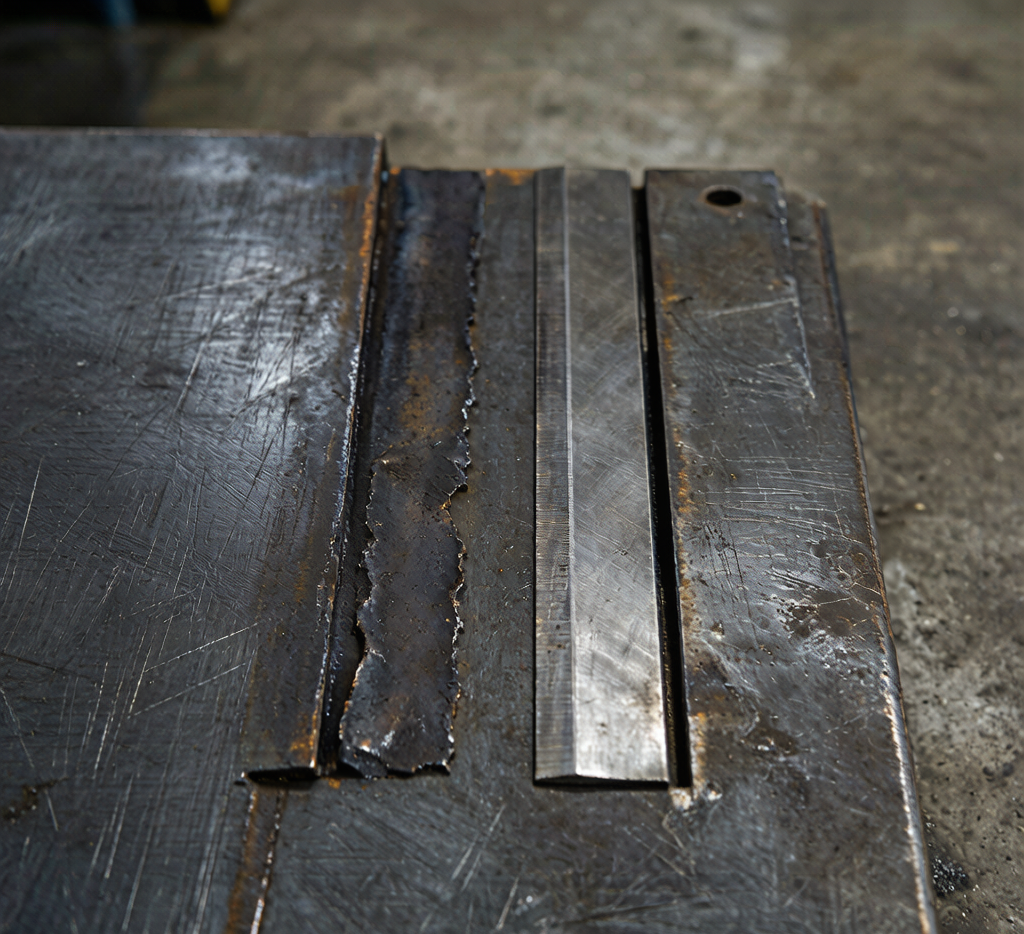
Inspect cut edges for dross, bevel angle, and kerf width. Verify dimensions with a CMM or digital caliper, especially on laser-cut parts with tight tolerances. Check for cracking in the HAZ on high-carbon or hardenable grades. For critical parts, request a cut sample and a first-article inspection report before full production.
FAQ
Can laser cut painted carbon steel?
It is not recommended. Paint can contaminate the lens, produce toxic fumes, and degrade cut quality. Suppliers should remove coatings before laser cutting.
Is plasma cutting cheaper than laser cutting?
For thick plate and low-tolerance parts, plasma is usually cheaper. For thin, complex parts in volume, laser has lower cost per part due to speed and nesting efficiency.
What is the maximum thickness for laser cutting carbon steel?
Standard fiber lasers cut up to 20–25 mm. High-power 12–20 kW machines can reach 30 mm, but edge quality and consumable cost must be evaluated.
Does plasma cutting harden the edge?
Yes, plasma can create a heat-affected zone and local hardness increase. For parts requiring machining or welding, specify edge grinding or post-cut heat treatment.
Which cutting method produces less scrap?
Laser generally produces less scrap because of narrow kerf and tight nesting. Plasma has a wider kerf, so more material is lost as slag and dross.
Source Cut-to-Size Carbon Steel from Huaxia-Steel
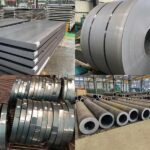
Huaxia-Steel supplies plasma-cut and laser-cut carbon steel plate, sheet, and blanks to your drawing. We work with ISO-certified cutting shops and can provide material certificates, dimensional reports, and surface treatment after cutting. Send us your drawings and quantity for a fast, competitive quote.